


Key Takeaways
- The study highlights a troubling increase in drug use within transit systems in five major U.S. cities, compelling workers to address public health challenges.
- Recommendations include harm reduction strategies, environmental design changes, and improved outreach efforts to support affected individuals.
- Incorporating consistent data collection and cross-agency communication is critical for effectively tackling drug-related issues in transit settings.
Growing Drug Use in Transit Systems
A comprehensive assessment, funded by the Federal Transit Administration, has revealed alarming findings regarding the impact of drug use on public transit in five U.S. cities: Chicago, Denver, Los Angeles, Philadelphia, and Portland, Oregon. The report indicates that transit workers now act as unintended first responders to public health crises, experiencing trauma from incidents involving overdoses, assaults, and biohazards.
As drug use becomes increasingly visible on transit systems, public confidence in safety has declined. Many riders are opting to avoid public transit altogether or changing their travel routes due to these concerns. The report emphasizes that the surge in drug use reflects broader societal challenges, including homelessness and inadequate support services.
Recommended Strategies for Transit Agencies
The report suggests a multifaceted approach to mitigate drug-related issues on transit systems. Among its recommendations, the following seven strategies are highlighted:
-
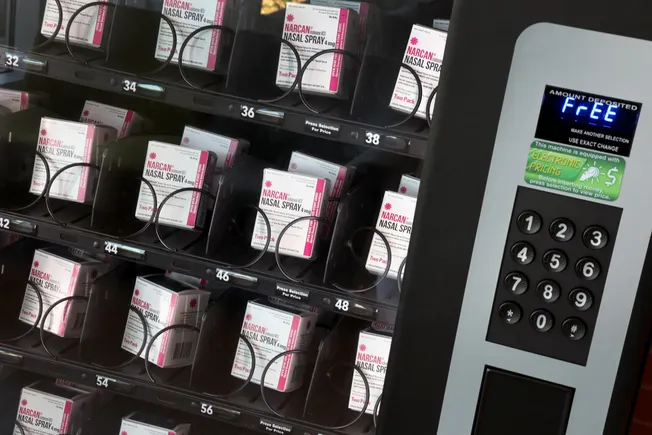
Naloxone Deployment: Transit agencies are urged to adopt specific policies for the deployment of naloxone, an opioid overdose reversal drug. The Chicago Transit Authority, for instance, has initiated a pilot program featuring vending machines that dispense naloxone and harm-reduction supplies such as fentanyl test kits.
-
Design Modifications for Stations: Implementing Crime Prevention Through Environmental Design principles can help deter drug use. Enhancements like improved lighting, clearer sightlines, and the strategic placement of security cameras have been utilized by Denver’s Regional Transportation District and LA Metro.
-
Updated Codes of Conduct: Aligning agency codes of conduct with current drug laws is essential for effective enforcement. LA Metro, for example, is creating signage to inform passengers about acceptable behaviors within their transit systems.
-
Enhanced Outreach for Homeless Individuals: The study encourages reviewing outreach programs to better cater to the needs of homeless populations. Philadelphia’s Southeastern Pennsylvania Transportation Authority has demonstrated success with its Hub of Hope that provides essential services at a commuter rail station.
-
Partnerships with Peer Specialists: Collaborations with outreach organizations employing certified peer specialists can lead to more effective interventions. SEPTA has adopted a deliberate approach to staffing its outreach programs with individuals who have relevant lived experiences.
-
Consistent Data Collection: The report highlights the need for uniform data collection practices across transit agencies to better address drug use. Developing clear, measurable objectives will aid in tracking progress and aligning efforts more effectively.
-
Improved Communication and Information Sharing: Addressing drug use on transit requires a coordinated strategy involving transit agencies, outreach providers, law enforcement, and health organizations. Enhanced communication and information sharing across these groups are key to managing overlapping issues related to homelessness and mental health.
This report underscores the urgency for transit agencies to adopt comprehensive support services and collaborative approaches to improve the safety and wellbeing of both workers and riders across the affected systems.
The content above is a summary. For more details, see the source article.









