


Key Takeaways
- The first national assessment of climate vulnerability in Slovenia’s energy sector indicates a moderate level of risk.
- Floods are identified as the most significant threat, impacting fuel storage and energy infrastructure.
- Adaptation measures are necessary to enhance resilience and ensure reliable energy supply amid increasing climate risks.
Assessment Overview
The Ministry of the Environment, Climate and Energy, in collaboration with the Jožef Stefan Institute, has released a national assessment focusing on climate vulnerability and risks in Slovenia’s energy sector. The analysis, conducted using the IPCC AR5 methodology and national guidelines from the Faculty of Biotechnology, indicates that the sector is currently moderately vulnerable to climate impacts.
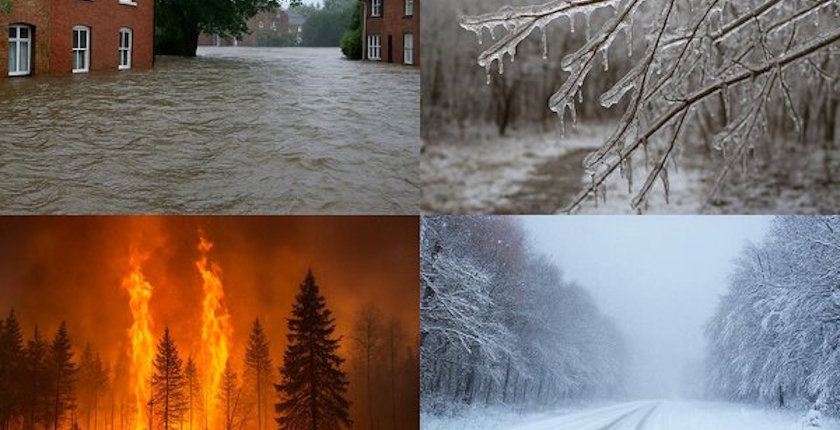
Flooding has been highlighted as the primary threat to the energy industry, posing risks to fuel storage facilities, substations, and electricity distribution networks. Other significant threats include storms, fires, landslides, heatwaves, wet snow, and drought.
The assessment evaluated the critical subsystems within the sector based on current infrastructure and energy mix. Liquid fuels and electricity are deemed the most crucial, comprising 34% and 33%, respectively, while natural gas, solid fuels, and heat supply account for 18%, 10%, and 5%. This distribution showcases Slovenia’s high dependency on imported liquid fuels and emphasizes the pivotal role of electricity in various consumption sectors.
The overall vulnerability score for the energy sector is 2.3 on a scale of one to five, with electricity being the most vulnerable subsystem at 2.6. Vulnerability ratings for other subsystems are as follows: liquid fuel supply (2.2), solid fuel supply (2.2), natural gas supply (around 2.0), and heat supply (1.9).
Specifically, the electricity distribution network rates the highest vulnerability at 3.5. Other vulnerable elements include the electricity transmission system, imports (3), preparation of wood for fuel, and photovoltaic plants (3). Vehicles and tanks for liquid and solid fuels, alongside renewable energy sources, carry a vulnerability rating of 2.5.
Future climate change scenarios project an intensification of the identified risks, particularly concerning floods, heatwaves, and storms, suggesting an urgent need for adaptive measures. The ministry plans to use this assessment as a foundational resource for developing a climate change adaptation strategy. This will involve enhancing infrastructure resilience, revising facility planning, and integrating climate risks into strategic documents and investment strategies. Effective adaptation measures will be crucial for securing a reliable energy supply in the face of escalating climate challenges.
The content above is a summary. For more details, see the source article.









