


Key Takeaways
- The final version of the National Defense Authorization Act excludes a ban on Chinese drones.
- Concerns were raised about the impact of import restrictions on U.S. farmers and industries reliant on affordable drones.
- Lawmakers emphasize the need for domestic manufacturing capabilities to balance economic and national security interests.
Details on Defense Bill Negotiations
A compromise version of the National Defense Authorization Act (NDAA) has been finalized by House and Senate leaders, omitting a previously proposed measure that could have restricted Chinese drones. The initial House version passed in September included a provision to assess the national security risks associated with drones from companies like DJI Technologies and Autel Robotics. If the review was not completed within a year, it would have triggered import restrictions.
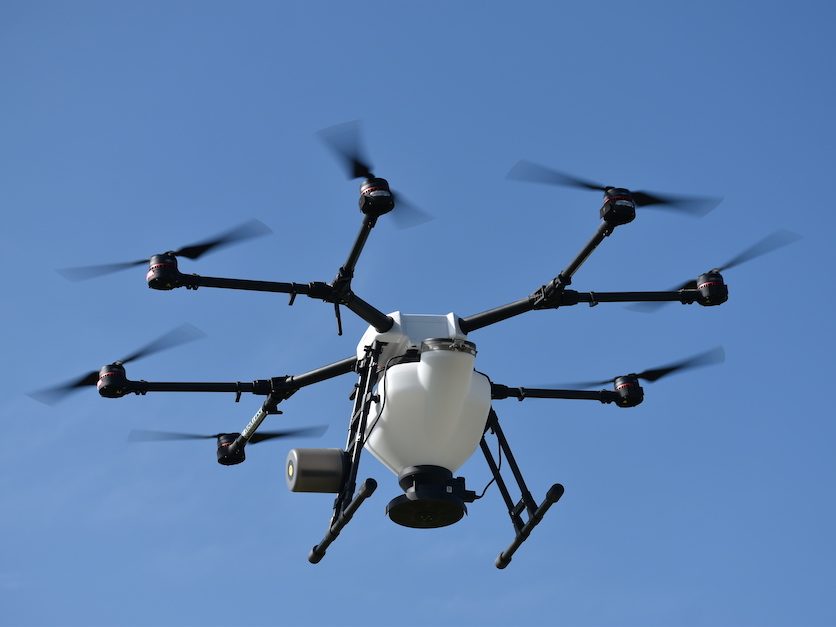
Concern over the impact of these potential restrictions was voiced by several lawmakers, including Agriculture Committee Chair John Boozman of Arkansas. Boozman highlighted the importance of not hindering U.S. farmers and other industries that utilize cost-effective drone technology.
Rep. John Moolenaar, R-Mich., who chairs the House Select Committee on the Chinese Communist Party, echoed these sentiments. He urged farmers to recognize the importance of supporting domestic manufacturing while balancing economic needs with national security concerns. Moolenaar stressed that fostering local production capabilities is essential for ensuring both competitive pricing and security.
As the final NDAA version moves forward, lawmakers appear committed to addressing national security without significantly disrupting industries that depend on foreign drone technology. This ongoing issue reflects the complex balance between safeguarding national interests and supporting domestic economic activity. By excluding the drone ban, legislators aim to both protect U.S. manufacturers and ensure that farmers have access to affordable technology.
The content above is a summary. For more details, see the source article.









