


Key Takeaways
- The Delaware Supreme Court reinstated Elon Musk’s $55 billion pay package while imposing a nominal $1 penalty for unfairness.
- The initial lawsuit claimed Tesla misled shareholders, leading the Court of Chancery to rescind Musk’s pay package, a decision overturned by the Supreme Court.
- The ruling reflects concerns about Delaware’s pro-business reputation, as Musk continues to face criticism for his actions that impact Tesla’s performance and public perception.
Delaware Supreme Court’s Ruling on Musk’s Compensation
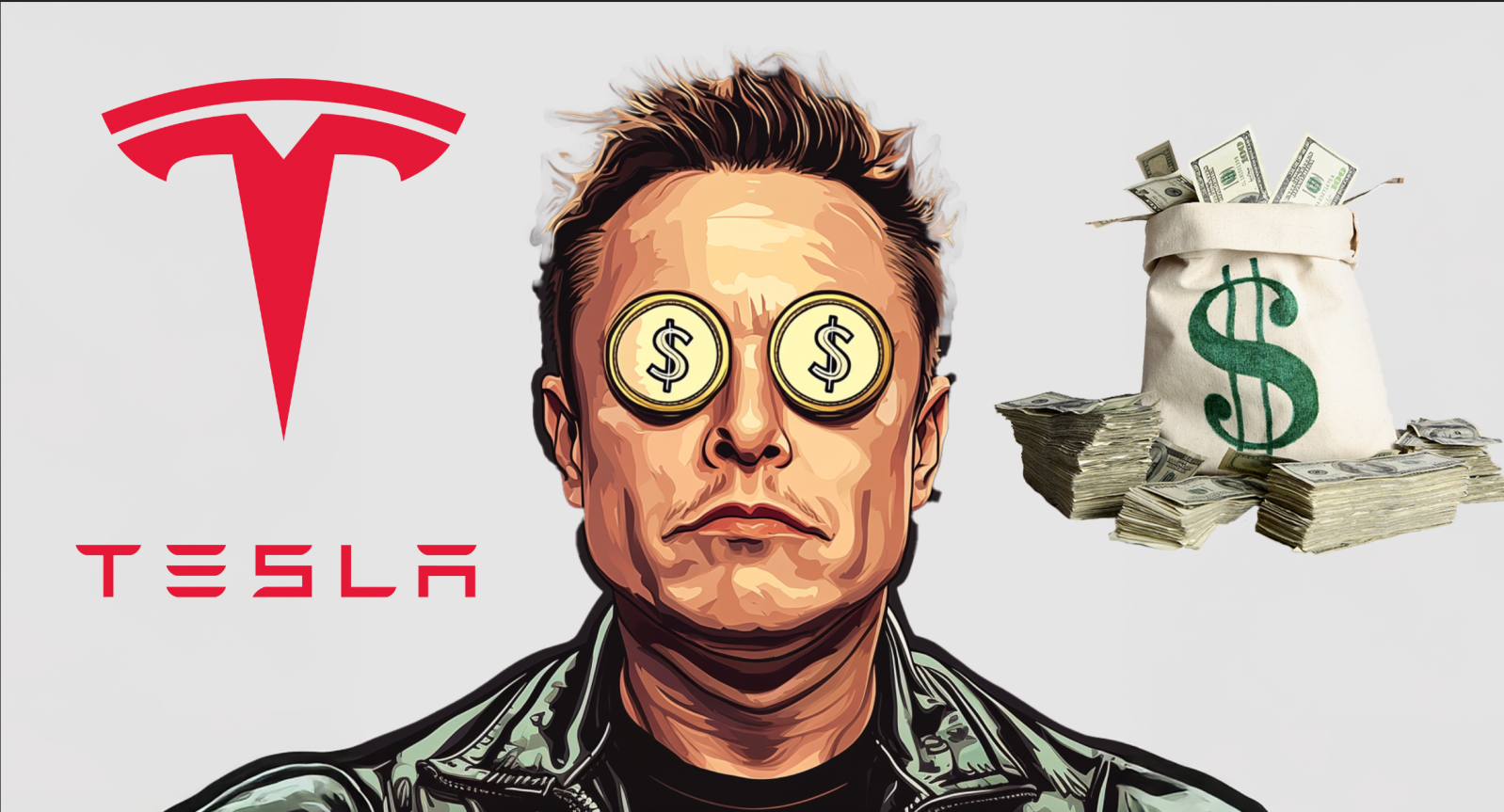
In a significant legal decision, the Delaware Supreme Court has ruled in favor of Elon Musk regarding his controversial $55 billion pay package from 2018. The higher court overturned the earlier ruling by the Delaware Court of Chancery, which had deemed the pay package invalid. However, the Supreme Court did impose a nominal penalty of $1 on Musk, alongside allowing plaintiffs to recover attorney’s fees that could total hundreds of millions of dollars.
The multi-billion-dollar pay package was originally approved by Tesla shareholders in 2018 and was designed to reward Musk based on the achievement of specific performance milestones. If achieved, the potential value of this award would dramatically exceed its initial worth due to rising stock prices, now calculated at approximately $139 billion.
The origins of the legal dispute trace back to accusations that Tesla misled investors during the compensation package’s approval process. Critics argued that Musk influenced a board that lacked sufficient independence, raising concerns regarding corporate governance. Initially, the Court of Chancery found these objections valid, leading it to rescind the pay package altogether.
Despite Delaware’s reputation as a business-friendly state, Musk’s opposition to the Chancery’s ruling prompted him to relocate his companies away from Delaware, suggesting that the state’s legal landscape was becoming less appealing for certain corporate practices. Subsequently, Tesla attempted to hold a second vote on the same pay package, which again faced legal challenges and ultimately resulted in lawsuits claiming misleading marketing tactics.
As the court case progressed, Tesla’s board granted Musk an additional $26 billion in stock, further complicating the financial dynamics at play. This award was positioned as a bridge to restore part of the 2018 package but was conditional upon outcomes from the Supreme Court.
Recently, Musk’s pay package became even more ambitious, with a new vote resulting in a potential $1 trillion award contingent on performance metrics. Notably, these figures from Musk’s pay structure dwarf most executive compensations and raise ethical questions about the compensation dynamics within Tesla, particularly in light of Musk’s behavior as CEO. Observations about his political engagements and public persona suggest detrimental impacts on Tesla’s brand image and revenue.
The Supreme Court ultimately deemed that the plaintiffs had not sufficiently requested a partial rescission of the pay package, which led to the ruling favoring Musk. The court noted the inequity of not compensating Musk for his role, despite his wealth largely stemming from existing stock holdings. Further criticisms have emerged about Musk’s leadership and its effects on employees, shareholders, and the broader market.
This ruling serves not only as a conclusion for Musk’s compensation saga but also highlights broader implications regarding governance and ethical considerations in executive remuneration. The decision leaves many questioning the balance between rewarding performance and addressing shareholder interests, as Musk’s financial benefits stand in stark contrast to challenges faced by Tesla as a company.
Overall, there are palpable concerns regarding the consequences of valuing one individual’s contribution so highly while neglecting the collective efforts of many other employees, and the ongoing debate over corporate governance in high-stakes compensation scenarios remains unresolved.
The content above is a summary. For more details, see the source article.









