


Key Takeaways
- MIT researchers developed 2DPA-1, a lightweight polymer layer that protects solar panels from gas damage.
- This 60-nanometer thick material significantly enhances the durability of perovskite solar cells by blocking harmful gas particles.
- The innovative coating could encourage more homeowners to adopt solar energy, reducing household carbon footprints and energy costs.
Innovative Coating Enhances Solar Panel Longevity
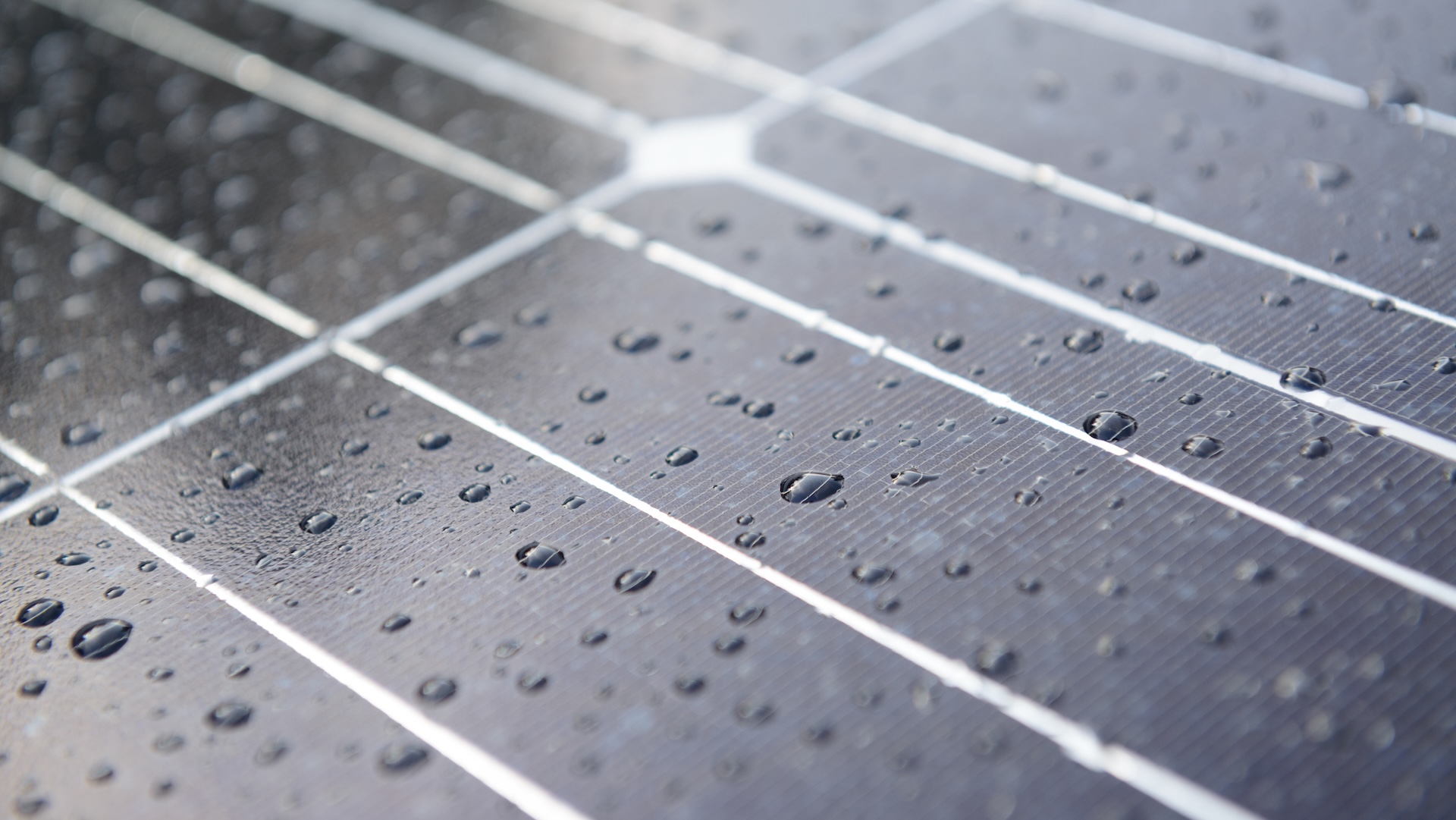
Researchers at the Massachusetts Institute of Technology have created a new polymer coating, 2DPA-1, aimed at enhancing the durability of solar panels. This innovative material is only 60 nanometers thick and provides a barrier against various gas particles that can corrode photovoltaic cells, particularly perovskite solar cells.
Traditional polymer coatings serve to deter dirt and grime but have a porous molecular structure that permits gas penetration, leaving panels susceptible to long-term damage. In contrast, 2DPA-1 is six times less dense than existing options, combining less material usage with greater resilience. Additionally, conventional materials like graphene have not yet been successfully scaled for practical applications despite their effectiveness in controlled settings.
The findings, published in the journal Nature, demonstrate that 2DPA-1 effectively blocks common gases such as nitrogen, helium, oxygen, and methane. Its unique layered hydrogen bond structure allows it to easily adhere to surfaces, making it a versatile choice for a variety of solar installations, from small household systems to larger arrays.
An MIT professor emphasized that such an impermeable coating not only protects solar infrastructure but could also be applied to other outdoor structures like bridges and rail lines, exposing the potential of this technology far beyond just renewable energy. With increased adoption of solar power among homeowners, the longevity of solar panels becomes more critical.
The significance of this research is underscored by Northwestern University professor George Schatz, who called the development “remarkable.” Improved solar cell longevity can play a vital role in making solar energy more appealing by reducing pollution and energy costs for homeowners, compared to traditional fossil fuel resources.
Switching to solar power not only cuts household carbon emissions but also lowers energy bills significantly. Programs like TCD’s Solar Explorer help facilitate access to renewable energy, providing homeowners with options for solar installation and substantial financial incentives.
The polymer study was published in mid-November, and while it may take a couple of years for the 2DPA-1 to be utilized commercially, interest in similar protective materials is likely to grow. As the solar industry evolves, this advancement could lead to broader research efforts focused on enhancing the durability and efficiency of renewable energy technologies.
The content above is a summary. For more details, see the source article.









