


Key Takeaways
- Researchers have unveiled a novel body-resonance technology that uses the human body for high-speed wireless communication, surpassing current Bluetooth and Wi-Fi standards.
- This method enhances data throughput, reduces power consumption, and increases security by creating a confined communication channel within the body.
- The technology has broad applications, including medical telemetry and smart fabrics, promising improved functionality for future wearable devices.
Innovative Body-Resonance Communication
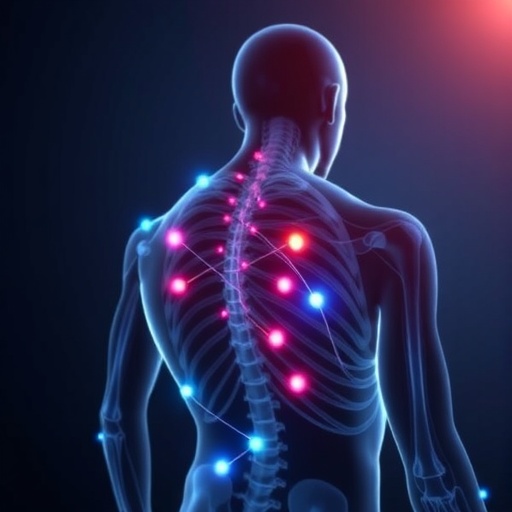
Researchers are making strides in wearable technology with a new concept called “body-resonance,” detailed in Communications Engineering. This groundbreaking system uses the human body as a transmission medium, similar to a sophisticated transmission line, enhancing how wearable devices communicate.
The key to this body-resonance approach lies in the human body’s conductive and dielectric properties, overcoming the limitations of traditional radio frequency communications. Unlike conventional methods that rely on air, body-resonance creates dedicated channels utilizing the body’s electrical characteristics, allowing for high-speed data transfer with minimal loss and interference. Experimental results indicate potential data rates reaching multiple gigabits per second, which can facilitate ultra-high-definition streaming and real-time health monitoring.
The research team modeled the body as a complex transmission line with different tissue layers, each affecting wave propagation. By precisely understanding these layers, the team identified resonance frequencies to optimize communication. Coupling interfaces placed on specific body areas enable efficient electromagnetic signal exchange, effectively converting the body into a communication medium.
Security is another advantage, as body-resonance inherently limits transmission to the immediate vicinity of the body, reducing the risk of eavesdropping. This characteristic is particularly beneficial for sensitive applications such as medical monitoring and secure data transfer, providing a robust alternative to vulnerable over-the-air communication methods.
The body-resonance technology also promises significant improvements in energy efficiency. Devices utilizing this method require much less power for transmission, extending battery life and allowing for smaller, more compact designs. This advancement leads to a better user experience, as wearables will need less frequent charging and can maintain functionality in diverse conditions.
The researchers addressed challenges related to the dynamic nature of human tissue by employing adaptive signal processing algorithms. These techniques were designed to adjust modulation and power controls in real-time, ensuring reliable signal quality under varying conditions, which is crucial for applications ranging from fitness tracking to medical implants.
Significant findings from prototypes placed on various body locations revealed that optimal placement, such as on the wrist or torso, can maximize communication efficacy. This research informs future wearable designs, ensuring user comfort without sacrificing signal integrity.
Beyond personal use, body-resonance technology opens avenues in medical technology by enabling wireless implants to communicate efficiently with external devices, potentially improving patient outcomes through continuous health monitoring.
Future developments may also see body-resonance integrated into smart fabrics, enabling clothing to communicate metrics directly through the body, fostering a network of interconnected devices. Collaboration across disciplines in materials science is key to developing durable and effective transceiver hardware suitable for everyday use.
Ultimately, as wearable technology advances, so does the need for high-speed, reliable communication. Body-resonance not only addresses these demands but also sets the stage for advanced applications across healthcare and beyond. Researchers are poised to explore compatibility with existing wireless standards to create hybrid systems that can leverage the advantages of both body-resonance and traditional methods, further revolutionizing user connectivity.
The content above is a summary. For more details, see the source article.









