


Key Takeaways
- Former U.S. Senator Ben Nighthorse Campbell passed away at 92, remembered for his contributions to Native American rights and agriculture.
- A champion judo athlete and jeweler, Campbell served as the first Native American chairman of the Senate Indian Affairs Committee.
- He was instrumental in the establishment of the Smithsonian’s National Museum of the American Indian and had a significant legislative record during his nearly two decades in Congress.
Legacy of Ben Nighthorse Campbell
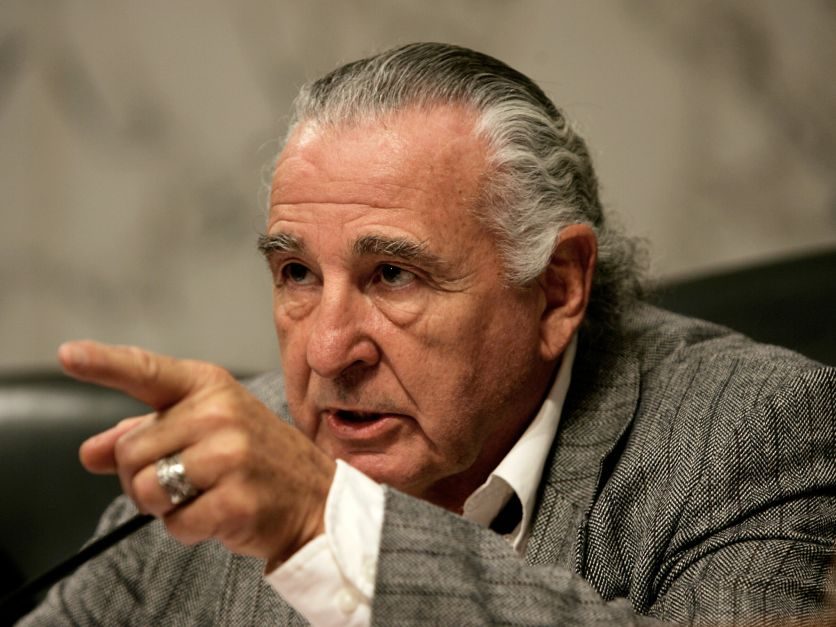
Ben Nighthorse Campbell, a former U.S. Senator from Colorado, died of natural causes at the age of 92. His life story is one of resilience, rising from California tomato fields to nearly two decades on Capitol Hill. Campbell, who was also an Olympic judo athlete and an acclaimed jeweler, dedicated much of his life to advocating for indigenous peoples.
In his early years, Campbell worked closely with Native American inmates at Folsom Prison, gaining invaluable insights into their struggles. His commitment to Native American rights culminated in his role as the first Native American chairman of the Senate Indian Affairs Committee.
Campbell’s agricultural roots were significant; he and his wife, Linda, owned a 120-acre ranch near the Southern Ute Indian Reservation after moving to Colorado. His deep respect for those who worked the land was expressed through mentorship and community involvement, as noted by his former aide, Dave Devendorf. “He knew what it was like for folks who made their living off of the land,” said Devendorf.
His journey began in challenging circumstances. Campbell spent part of his childhood in an orphanage due to his father’s struggles with alcoholism and his mother’s health issues. He later found solace in judo, learning from Japanese immigrants, which led him to Japan. Campbell became a three-time U.S. national judo champion and led the U.S. Olympic team during the inaugural judo event at the 1964 Tokyo Games.
Campbell entered politics by winning a House seat in 1986 and shifting to the Republican Party in 1995, shortly after his Senate election. Throughout his political career, he worked across party lines, as highlighted by Devendorf, who described him as “very non-partisan.”
One of Campbell’s notable achievements in office was his authorship of the legislation that established the Smithsonian’s National Museum of the American Indian in the late 1980s. This landmark museum, which opened in 2004, is celebrated for its unique architecture and proximity to Capitol Hill. Devendorf noted that Campbell took pride in its distinct design, emphasizing its significance as the first building of its kind near the Capitol.
In addition to his work on indigenous issues, Campbell was instrumental in creating the National Law Enforcement Officers Museum in Washington, D.C. Upon retiring in 2005, records indicated that he had authored more laws than any other Colorado senator combined since the early 1970s.
Campbell died peacefully at home, surrounded by family, including his wife Linda of nearly 60 years, daughter Shanan, son Colin, and grandchildren. His enduring impact on indigenous rights, agriculture, and the legislative landscape will be remembered by many. Tributes poured in from across the political spectrum, reflecting the profound respect for his contributions and legacy. For more news, visit Agri-Pulse.com.
The content above is a summary. For more details, see the source article.









