


Key Takeaways
- Certain EVs, including the Ford Mustang Mach-E and Tesla models, use lithium-iron-phosphate (LFP) batteries that are more affordable but have unique charging requirements.
- LFP batteries cost about 20% less to produce than nickel-manganese-cobalt (NMC) batteries but offer reduced energy density and range.
- Regularly charging LFP batteries to 100% is recommended to maintain battery health and accuracy, though some studies suggest potential degradation risks.
Understanding LFP Batteries
Lithium-iron-phosphate (LFP) batteries, used in select versions of the Ford Mustang Mach-E and Tesla Model 3 and Y, offer a cost-effective alternative to nickel-manganese-cobalt (NMC) batteries. LFP batteries are approximately 20% cheaper to produce, making them appealing for manufacturers seeking to lower costs and adhere to growing demand for electric vehicles (EVs).
LFP batteries, often viewed as stable and durable, provide a safe option with a lower risk of fire compared to other types of lithium-ion batteries. However, their energy density is about 30% lower than NMC counterparts, resulting in decreased range. These batteries also face challenges in cold temperatures and are less prevalent in the U.S. market compared to China, where LFP technology dominates. Ford currently licenses LFP technology from the Chinese company CATL to produce batteries in Michigan.
Current LFP Battery Usage in U.S. EVs
In the U.S., notable electric vehicles with LFP batteries include the Mustang Mach-E in its Select and Premium trims, the upcoming 2027 Chevrolet Bolt, Chevrolet Silverado EV, Rivian R1S and R1T, along with specific trims of the Tesla Model 3 and Y. Generally, vehicles equipped with LFP batteries are positioned at more affordable price points and have lesser range compared to the higher-range models, which typically use NMC batteries. Automakers like Hyundai and Volkswagen are also exploring LFP technology for their future models.
Charging Considerations for LFP Batteries
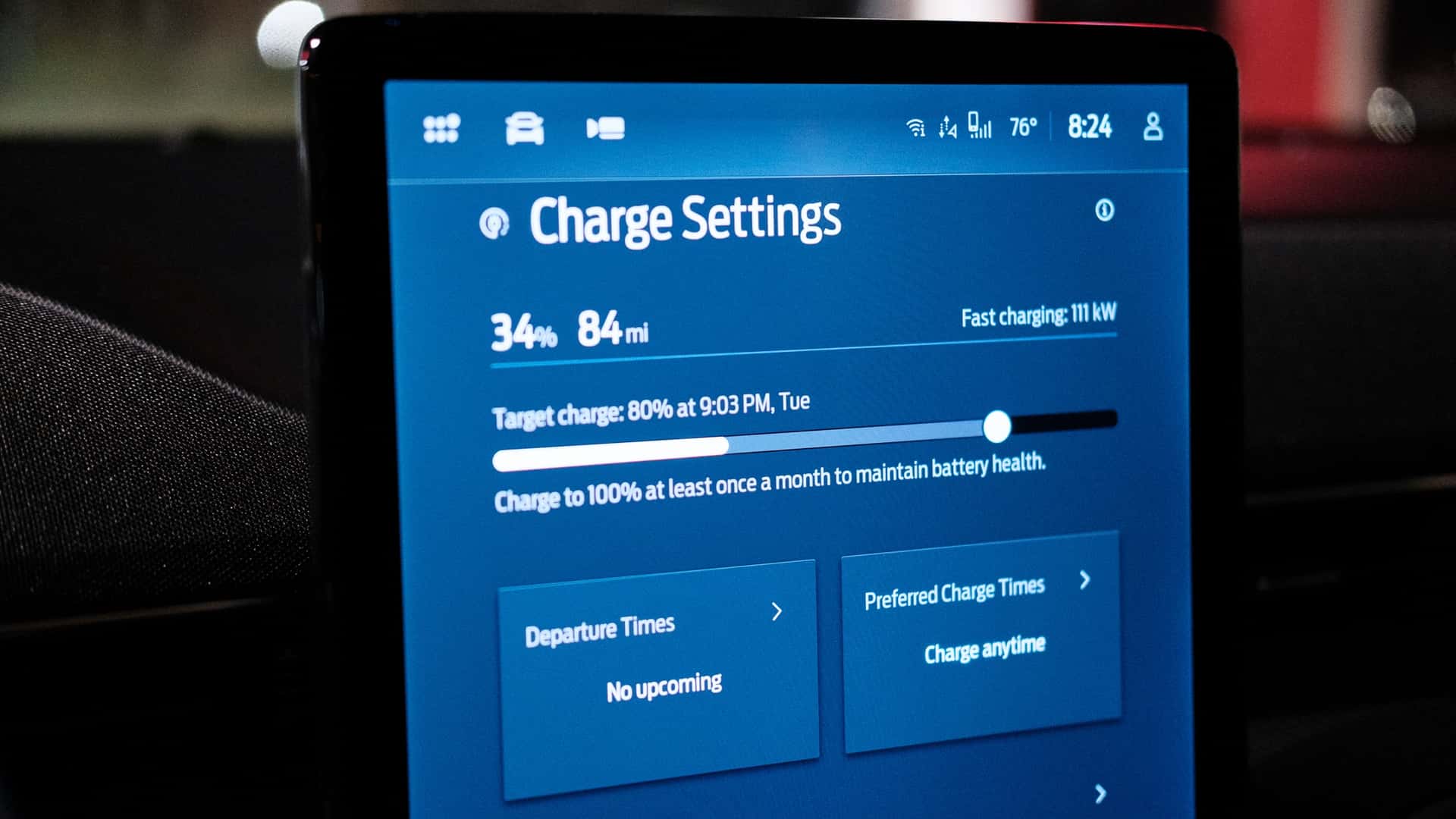
While most EVs benefit from a regular charging routine limited to around 80%-90%, LFP batteries require periodic full charges to maintain their health. Ford advises charging LFP batteries to 100% at least once a month, while Tesla recommends doing so weekly. This practice aids in calibrating the battery management system (BMS) that monitors battery performance and longevity.
Data from battery health experts suggests that frequent full charges may not adversely affect LFP batteries as they are more resilient to high states of charge compared to NMC batteries, thus allowing drivers to utilize more of their maximum range regularly. Nevertheless, some studies indicate that repetitive full charges could lead to degradation over time. Users are encouraged to adhere to specific manufacturer guidelines regarding charging habits to optimize battery life.
In summary, being informed about the type of battery in an EV and proper charging practices is essential for ensuring longevity and performance. By understanding these unique characteristics, LFP battery owners can better manage their vehicles and enjoy a reliable electric driving experience.
The content above is a summary. For more details, see the source article.









