


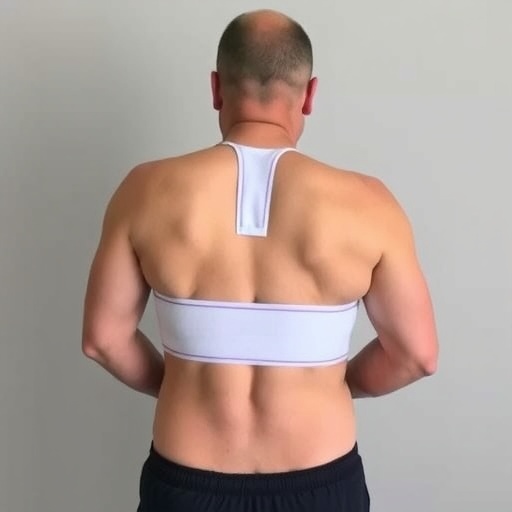
Key Takeaways
- A portable abdominal compression binder has been developed to alleviate symptoms of orthostatic intolerance.
- The device provides adjustable compression to enhance venous return, potentially stabilizing blood pressure during posture changes.
- Future research may explore the binder’s broader applications in healthcare and its role in individualized patient care.
Innovative Solution for Orthostatic Intolerance
Recent advancements in biomedical engineering have led to the creation of a portable active abdominal compression binder, designed for individuals with orthostatic intolerance—a condition causing severe drops in blood pressure when standing. This novel device is the result of a collaborative effort led by V.S. Emani and aims to improve patients’ quality of life by alleviating symptoms such as dizziness and fainting.
The binder works by providing active compression to the abdominal area, helping to enhance venous return, which is essential for maintaining stable blood pressure during postural changes. It is adjustable, allowing users to customize the level of support according to their comfort and medical needs. Initial testing has shown promising results, indicating that the binder effectively reduces symptoms related to changes in posture.
The integration of lightweight materials ensures comfort and portability, making it suitable for everyday use without the need for constant medical supervision. The design prioritizes user experience, having incorporated feedback from potential users throughout its development, guaranteeing that the device is both effective and user-friendly.
In parallel with technical advancements, the research team is exploring the binder’s potential in broader healthcare contexts. Its ability to stabilize blood circulation may allow it to support patients undergoing various medical treatments. This versatility could lead to further innovations in wearable healthcare technology.
The study’s findings have generated significant interest in the medical community, with experts from cardiovascular health and biomedical engineering advocating for comprehensive clinical trials. These studies are essential to assess the long-term benefits and effects of the binder for individuals with chronic conditions, potentially paving the way for more refined designs and innovations.
Beyond individual benefits, this development aligns with public health objectives aimed at reducing healthcare costs. By minimizing the need for hospitalizations related to orthostatic intolerance, the binder could promote better patient outcomes and enhance healthcare systems’ efficiency.
Future enhancements to the binder may include smart technology capable of monitoring physiological responses in real-time, enabling personalized adjustments to compression settings. This approach exemplifies how technology can lead to adaptable healthcare solutions tailored to each patient’s needs.
As the journey toward widespread adoption begins, the excitement surrounding this innovation highlights significant potential to improve the lives of those suffering from orthostatic intolerance. The research team is committed to advancing the binder’s clinical studies, encompassing diverse patient populations to evaluate its overall impact and user satisfaction.
With its unique combination of technology and patient-centered care, the portable active abdominal compression binder represents a significant milestone in managing chronic health conditions and enhancing overall quality of life.
The content above is a summary. For more details, see the source article.









