


Key Takeaways
- President Trump announced the withdrawal of National Guard troops from Chicago, Los Angeles, and Portland following a Supreme Court ruling against their deployment.
- The Supreme Court ruling, based on an appeal from the Trump administration, emphasized that the Posse Comitatus Act still applies, limiting military involvement in domestic law enforcement.
- Experts express concern that Trump may utilize the Insurrection Act in future situations, potentially leading to increased military enforcement in U.S. cities.
Troop Withdrawal Announcement
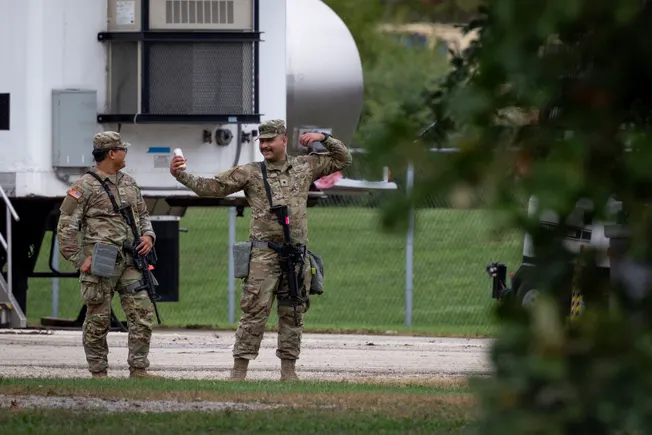
President Donald Trump declared on social media that National Guard troops will be removed from cities including Chicago, Los Angeles, and Portland after the Supreme Court declined to block a ruling that deemed their deployment in Chicago unlawful. This ruling stemmed from an emergency appeal made by the Trump administration following a lower court’s decision mandating an end to troop intervention.
California Governor Gavin Newsom responded to the announcement, suggesting that Trump had “finally admitted defeat.” Nonetheless, Trump’s message implied the troops could return “in a much different and stronger form” if crime rates increase.
Legal Context of the Ruling
The Supreme Court’s decision addressed troop deployments originally ordered by the Trump administration, which faced significant legal challenges. A series of lower court rulings had already restricted the National Guard’s actions in California since December 2025, and permanently prohibited troop presence in Portland from November 2025.
The ruling critically relied on insights from a friend-of-the-court brief provided by Georgetown law professor Martin Lederman. This brief clarified that the case was not about the authority of the Trump administration to deploy troops, but rather whether the administration had justified its need to bypass regular U.S. military forces for law enforcement. Ultimately, the justices concluded that the Posse Comitatus Act remains in effect, limiting military intervention without specific authorization.
Legal experts, including Paul Gowder from Northwestern Pritzker School of Law, expressed concern over the implications of this ruling. They noted that while the Court declined to enable troop deployment, it also left open the possibility of using the Insurrection Act in the future. This Act allows a president to deploy federal troops under the pretext of suppressing insurrections, thereby raising concerns about the potential for increased military presence in domestic situations.
Future Implications
Justice Brett Kavanaugh, in his concurrence on the ruling, suggested that this outcome might lead the President to utilize the U.S. military more frequently rather than the National Guard for safeguarding federal interests within the country. This presents a concerning trajectory for the use of military force in American law enforcement, especially given the political backdrop.
As legal experts analyze the ruling, discussions center on whether the Trump administration may opt for the Insurrection Act in the future, potentially complicating the balance between federal military power and civil liberties. The implications of the ruling have sparked dialogue about governance and the limitations of military involvement in domestic affairs.
With the door open for future military intervention under the Insurrection Act, the ruling and the reactions to it reflect ongoing tensions regarding the role of federal authority in local law enforcement, suggesting that similar legal challenges may resurface in the future.
The content above is a summary. For more details, see the source article.









