


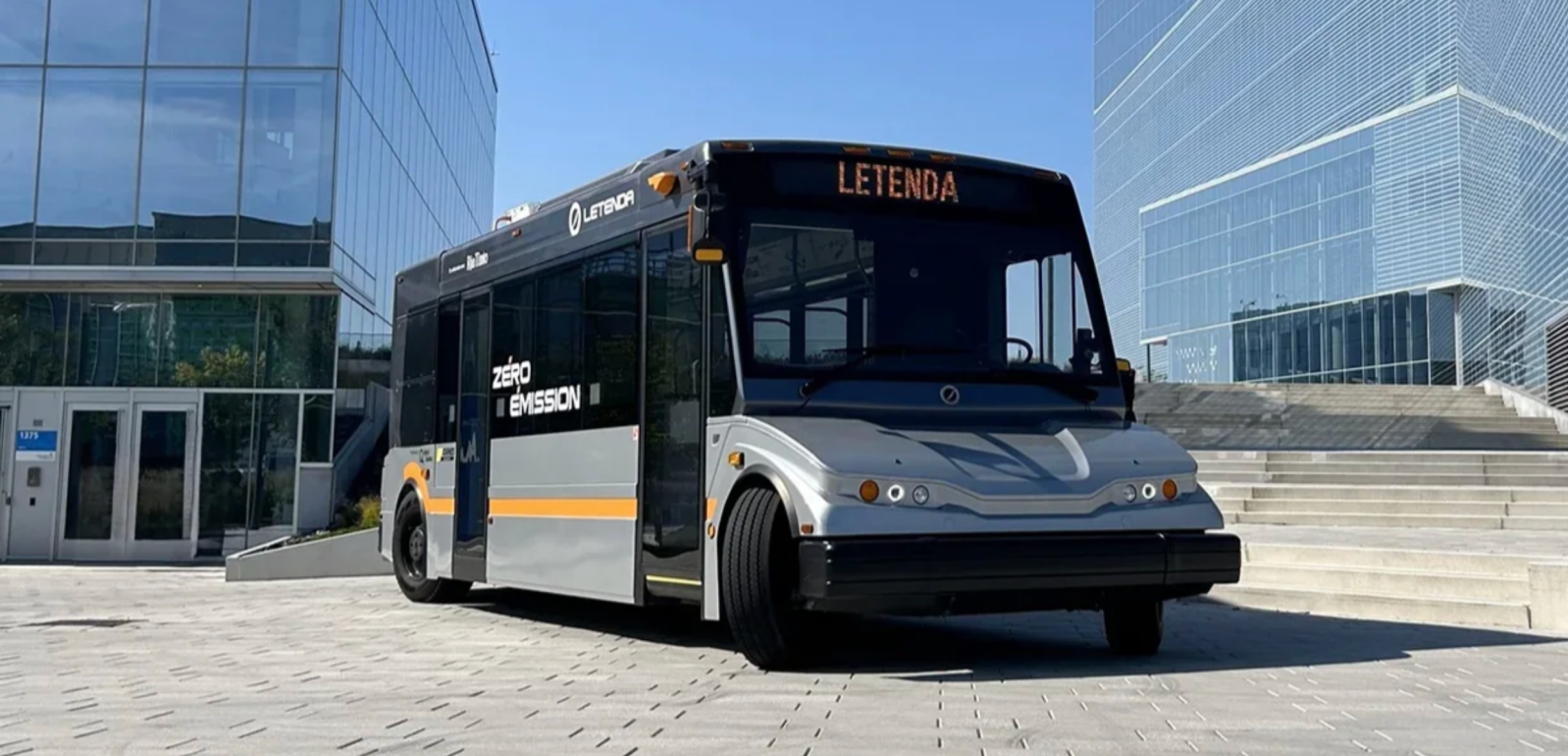
Key Takeaways
- Letenda’s new “Electrip” midibus aims to fill a gap in the North American electric bus market.
- The bus features a modular design, winter optimization, and a powerful battery system, catering to suburban and campus routes.
- Letenda adopts an asset-light strategy by outsourcing manufacturing, aiming to achieve profitability by 2029 with lower upfront costs.
The Electrip: A Unique Solution
Quebec-based Letenda is addressing a significant challenge in the North American electric bus market known as the “missing middle.” While larger 40-foot electric buses and smaller shuttles are available, the 30-foot “midibus” segment has remained largely underserved. The company’s answer is the “Electrip,” designed from the ground up for winter efficiency and modularity.
The Electrip targets the 30-foot segment, positioning itself as an optimal choice for suburban routes, airports, and universities. Transit agencies often face a dilemma: opting for a large bus that frequently runs empty or a smaller shuttle that risks overcapacity. By focusing on this middle-size market, Letenda hopes to provide a solution that meets diverse transportation needs.
Key Features and Specifications
The Electrip boasts impressive specifications, including:
– A Cummins battery system with a capacity of 222-296 kWh.
– A modular aluminum chassis developed in collaboration with Rio Tinto.
– 150 kW DC fast charging, allowing for a full recharge in about two hours.
– Capacity for up to 45 passengers, including 24 seated and space for 6 wheelchairs.
– Winter optimization features such as radiant floor heating and heated windshields, enhancing efficiency in cold conditions.
Additionally, a rear-wheel steering system significantly reduces the turning radius, improving maneuverability in urban settings.
Innovative Manufacturing Approach
Unlike larger competitors such as Tesla and Lion Electric, Letenda is not pursuing full ownership of the manufacturing process. The company has partnered with a manufacturer in Windsor, Ontario, to assemble the Electrip. This asset-light approach aims to minimize the capital expenditure typically required to establish a bus factory, with the goal of attaining profitability by 2029 utilizing considerably less investment than competitors.
While this strategy may lead to lower profit margins and less production control, Letenda believes focusing solely on the 30-foot segment will help mitigate risks that other manufacturers have faced, such as the bankruptcy of Lion Electric.
Successful Pilot Programs
Letenda’s approach is not just theoretical. The company has conducted pilot programs with major transportation agencies, receiving positive feedback on the Electrip’s performance:
– Coast Mountain Bus Company in Vancouver completed a 3,000 km test, noting good maneuverability and reliability.
– Exo in Montreal tested the Electrip in both winter and summer conditions, showing energy efficiency ranging from 0.85 to 1.28 kWh/km.
– YUL Airport has signed on as a launch client, placing a $1.35 million order.
Letenda aims to deliver five buses by 2027, ramping up production to 78 by 2030, and is currently seeking financing to support these goals.
In summary, Letenda’s focused approach on the 30-foot midibus market, coupled with its asset-light strategy and commitment to winter efficiency, positions the brand uniquely within the growing electric vehicle sector. As the electric transit landscape evolves, Letenda’s careful navigation could set it apart from its larger, less focused competitors. For further engagement, interested parties are encouraged to reach out to Letenda for more information on their ongoing initiatives.
The content above is a summary. For more details, see the source article.









