


Key Takeaways
- Lifx has introduced budget-friendly smart light bulbs, the Lifx Everyday series, priced lower than competitors.
- The Philips Hue Essential bulbs offer advanced features but require an additional hub for full functionality, making them more costly.
- Both bulb series offer distinct advantages, depending on user needs regarding brightness, dimming preferences, and future smart home expansion plans.
Latest Developments in Smart Lighting at CES 2026
This year’s CES in Las Vegas showcases innovations in smart home technology, particularly lighting solutions. One highlight is Lifx’s new Everyday series of smart bulbs, which are designed to be more affordable alternatives in the market. These bulbs have been available for a couple of months but are making their trade show debut.
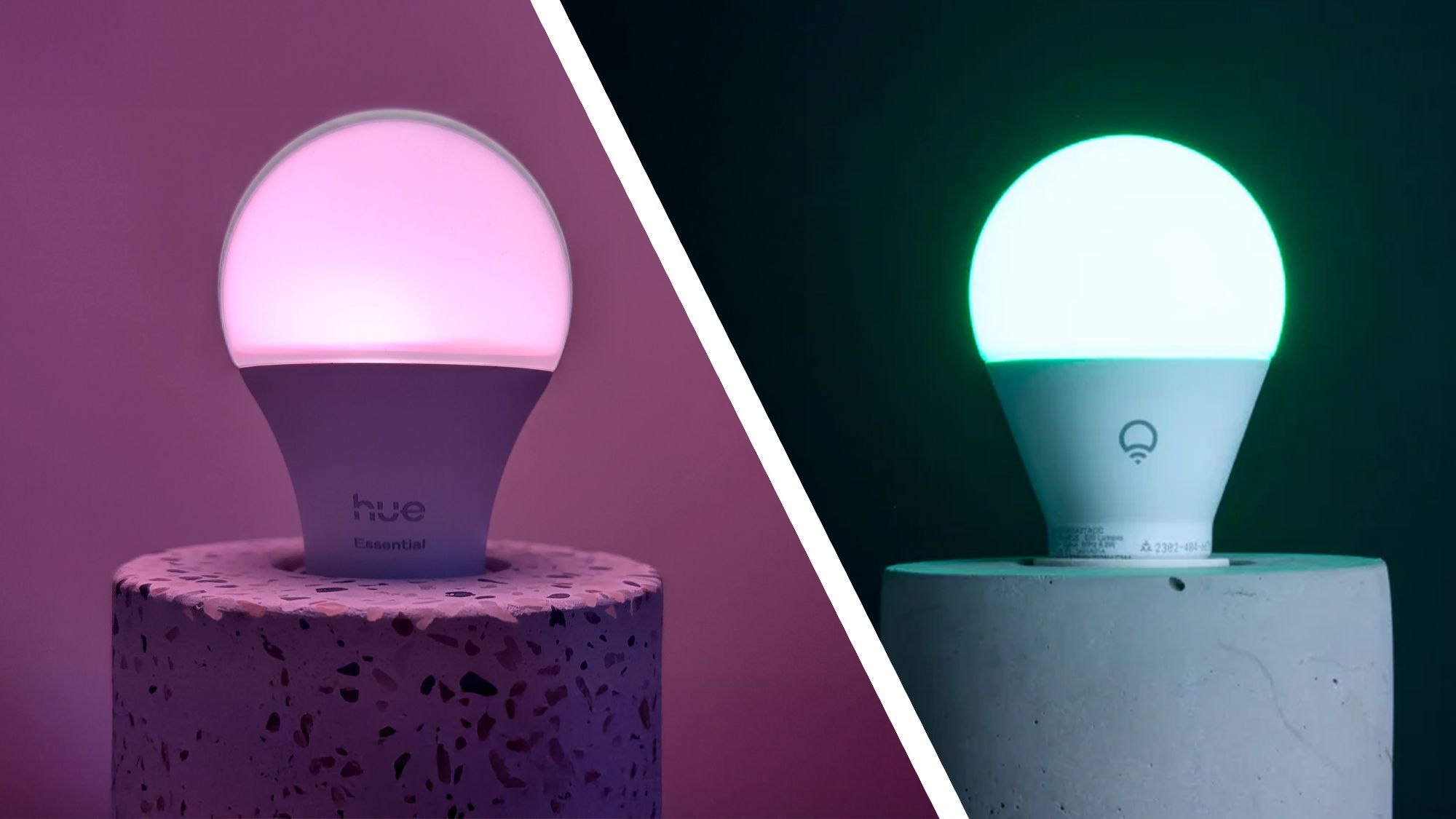
Lifx has built a solid reputation for high-quality, Wi-Fi connected smart light bulbs. Historically, their products have been on the pricier side, aligning more with premium brands like Philips Hue than budget options like Govee or Nanoleaf. In response to the market’s demand for affordable products, Lifx has launched this new collection, following Philips Hue’s successful introduction of the budget-friendly Hue Essential line.
Though opting for cheaper bulbs can raise concerns about quality, comparisons show that Lifx Everyday and Philips Hue Essential bulbs can perform similarly in brightness and color reproduction. The notable difference lies in dimming capabilities; Philips Hue can dim to 0.2% maximum brightness, while the Essentials can only reach 2%. The decision on what bulb suits your needs largely depends on individual preferences and usage scenarios.
When comparing the Lifx Everyday and Philips Hue Essential bulbs, several key distinctions emerge. Pricing for a pack of two Lifx bulbs is approximately $24.99, while the Philips Hue Essential pack costs $44.99, making Lifx the more economical option. For brightness, both bulbs are nearly equal, with Lifx at 800 lumens and Philips at 806 lumens. While Philips Hue offers a wider white light temperature range, Lifx boasts deeper dimming options—beneficial for tasks like setting a wake-up light.
An important aspect to consider is connectivity. Philips Hue bulbs utilize Bluetooth and Zigbee technology, requiring a Hue Bridge for advanced features. While this adds to the Hue Essential’s expense, Zigbee’s low-power advantages make it ideal for extensive smart home networks. In contrast, Lifx bulbs connect directly via Wi-Fi, simplifying setup without needing an extra hub.
Mobile apps for both brands allow users to control brightness and color settings. While both apps provide lighting presets and scheduling, the Philips Hue app stands out with features like an AI assistant for personalized lighting scenarios. Additionally, Philips Hue’s app supports a broader range of smart devices, including sensors and cameras, enhancing the overall smart home experience.
Ultimately, choosing between the Lifx Everyday and Philips Hue Essential depends on user preferences. Lifx Everyday bulbs make sense for immediate, cost-effective smart lighting needs, perfect for smaller spaces where adding multiple bulbs isn’t required. Conversely, Philips Hue Essentials might be the better choice for those planning to create an extensive smart lighting system in the future.
Deciding which entry-level smart lights to invest in should weigh both immediate budget constraints and long-term smart home goals.
The content above is a summary. For more details, see the source article.









