


Key Takeaways
- The US is withdrawing from 66 international organizations, including the International Solar Alliance (ISA).
- This action is part of an executive order signed by President Trump, citing these bodies as contrary to American interests.
- Other significant exits will include the Intergovernmental Panel on Climate Change (IPCC) and various security partnerships.
US Withdrawal from International Organizations
The United States has initiated the withdrawal process from 66 international organizations, as directed by an executive order signed by President Trump. This controversial move affects 31 United Nations (UN) bodies and 35 non-UN organizations. The White House stated that these institutions no longer align with US national security, economic growth, or sovereignty, and in some instances, they counter American priorities.
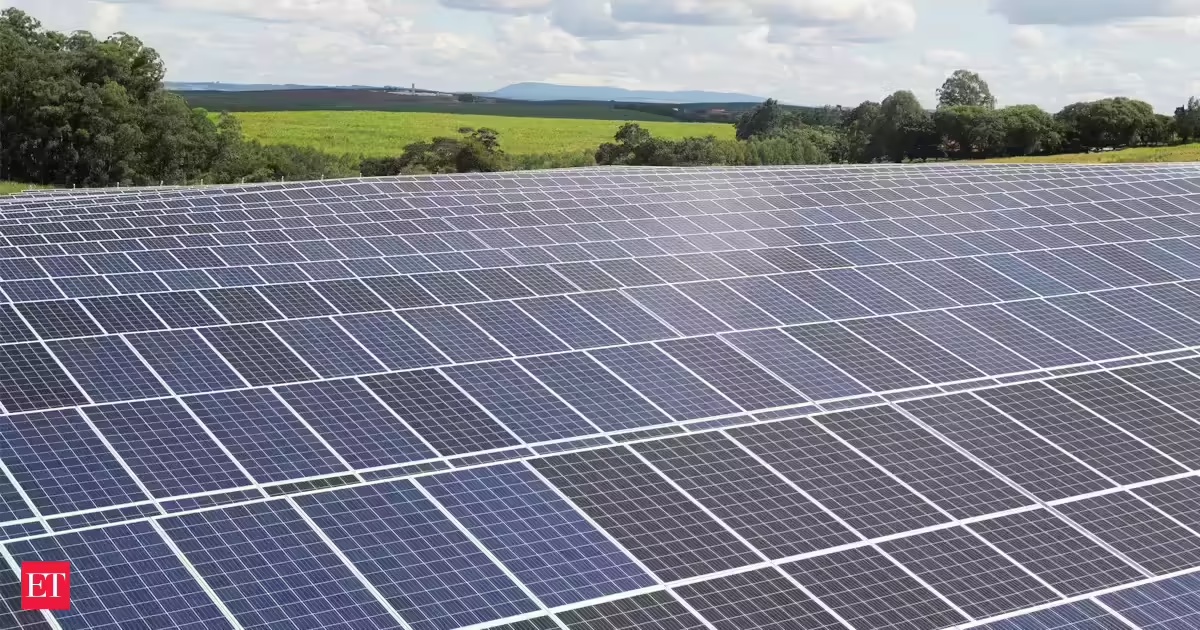
Among the organizations targeted for withdrawal is the India-led International Solar Alliance (ISA). Established in 2015 during COP21 in Paris, the ISA aims to unite countries in combatting climate change through the promotion of solar energy solutions. Following an amendment to its framework in 2020, all UN member states can now join the alliance, which has garnered participation from over 100 countries, with more than 90 having ratified to become full members. The mission of the ISA is to mobilize $1 trillion in solar investments by 2030, alongside efforts to reduce both technology and financing costs related to solar energy.
In addition to the ISA, the US will also exit important climate and energy forums such as the Intergovernmental Panel on Climate Change and the International Renewable Energy Agency. Furthermore, it is withdrawing from regional security partnerships like the Global Counterterrorism Forum and the Partnership for Atlantic Cooperation. This shift signals a clear departure from previous commitments to international collaboration on renewable energy and climate action.
Experts observing Trump’s administration have noted a significant lack of focus on renewable energy and climate issues. The decision to withdraw has raised concerns about the future of global climate initiatives, especially at a time when international cooperation is crucial for addressing climate change challenges.
The withdrawals underscore a broader trend within the Trump administration of prioritizing national interests over multilateral engagements, particularly in areas that involve global cooperation on pressing issues such as climate change and security. As the world grapples with the urgent need for sustainable energy solutions, the implications of these withdrawals could hinder collective efforts to combat climate issues effectively.
The content above is a summary. For more details, see the source article.









