


Key Takeaways
- The American aesthetics market is maturing, with a 4% growth in spending, down from previous double-digit increases.
- Neurotoxins like Botox are leading consumer spending, while dermal fillers and energy devices are seeing declines.
- Consolidation in the med-spa sector is expected to rise, focusing on operational efficiency and value creation.
Aging Market Trends in Aesthetics
The American aesthetics market is transitioning into a more mature phase, characterized by slower growth and a focus on operational efficiency. A report from Guidepoint Qsight and Skytale indicates that spending at aesthetics practices rose by only 4% during the first three quarters of 2025, totaling $21 billion. This marks a significant decline from the rapid growth observed in previous years, including a 50% increase in 2021.
Amid this shift, providers are emphasizing customer retention and maximizing per-patient value rather than acquiring new customers. Neurotoxins like Botox and Dysport remain popular, accounting for approximately 31% of consumer spending in 2024, while demand for dermal fillers and energy-based devices has decreased.
Erika Sheyn, SVP of aesthetics at Guidepoint Qsight, notes, “The throughline is a market that is maturing, not slowing.” Despite the excitement surrounding GLP-1 weight loss drugs that have supported revenue streams, growth in this category has diminished significantly. In 2024, growth dropped from 235% to 55%, with a notable decrease after the FDA recognized a shortage of these drugs.
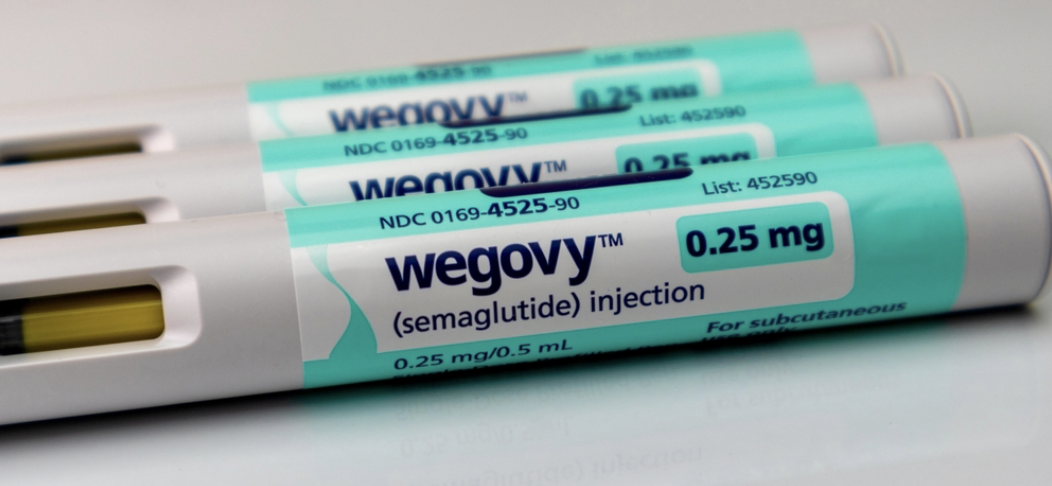
Although Novo Nordisk recently introduced an oral version of its GLP-1 medication Wegovy, experts believe its impact on the aesthetics market will be limited. Sheyn emphasizes that providers need to compete with telehealth and insurance-backed channels and should focus on integrating GLP-1s into enduring aesthetic service models. The current market prioritizes stabilization over acceleration.
Consumer preferences have shifted notably, with Millennials leading the spending on neurotoxins. In 2024, they accounted for 36% of Botox expenditures, followed closely by Gen X at 34%. Meanwhile, Gen Z showed increased spending on dermal fillers.
While legacy categories like dermal fillers and energy-based devices face downturns, there are pockets of growth. For instance, biostimulators, known to encourage collagen production, saw a 4% increase in 2024. Conversely, spending on traditional fillers declined to $3 billion.
In the skincare segment, professional-grade products sold at aesthetics providers climbed 3% in the first half of last year to $1.1 billion, boosted by a growing consumer focus on efficacy. Alessandro Giombini, a manager at Kearney, notes that “science has become the new luxury,” as providers integrate skincare into patient regimens.
Looking forward, Guidepoint Qsight predicts a wave of consolidation in the aesthetics market, projecting an increase of about 10% over the next four to five years. Currently, most med-spas are independently owned, with 81% operating from a single location. The report stresses that successful consolidation will involve not just the expansion of locations but also the centralization of operations for efficiency.
Founders are now more focused on building comprehensive organizations rather than merely adding locations. The report highlights that top-tier chains commanding higher valuations emphasize integrated operating systems and robust clinical talent, indicating a shift toward disciplined consolidation aimed at real value creation.
The aesthetics market is evolving, with key trends shaping its future stability and growth. While challenges remain, the industry is increasingly focused on efficient operational practices and customer loyalty strategies.
The content above is a summary. For more details, see the source article.









