


Key Takeaways
- The smart home ecosystem is evolving into interconnected systems prioritizing efficiency through edge processing and interoperability.
- Recent updates to the Matter protocol (1.3 and 1.4) enhance support for high-energy appliances and infrastructure, promoting smarter device coordination.
- Edge AI is crucial for reducing latency and enhancing decision-making in smart devices, facilitating more intelligent and seamless home automation.
Advancements in Smart Home Technology
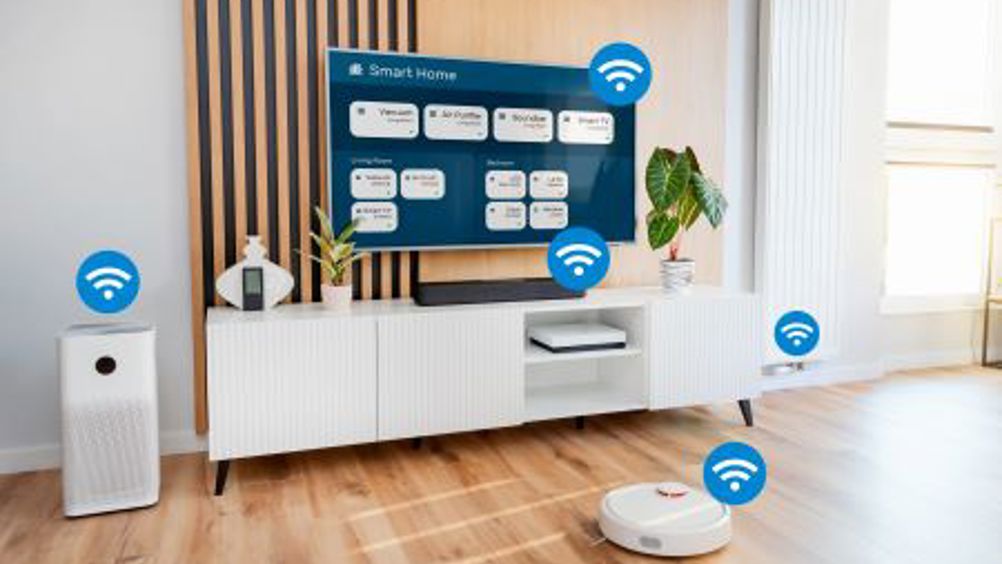
The smart home landscape is transitioning from isolated automation to interconnected systems where devices communicate effectively. This shift is driven by edge processing and improved interoperability, allowing real-time decision-making and better user experiences. Matter, an open-source connectivity standard, plays a critical role in unifying smart home ecosystems, enhancing communication between devices.
Recent updates to the Matter protocol, specifically versions 1.3 and 1.4, mark significant progress. Matter 1.3, released in early 2024, introduced functionalities like energy monitoring for high-utility appliances and electric vehicle supply equipment (EVSE), along with water management features and support for new major appliances. This signals a move from merely a communication protocol to a robust platform for whole-home orchestration.
Matter 1.4, released mid-2024, advanced in smart infrastructure by integrating new networking capabilities and enhancing energy management support with devices like solar panels and battery energy storage systems. This upgrade underscores Matter’s potential for predictive behavior and improved context-aware device interaction.
The importance of edge AI grows alongside these developments, allowing smart devices to process data locally, resulting in lower latency, improved security, and better resilience. Embedded intelligence empowers devices to adapt and coordinate more effectively, transforming them beyond simple controllers.
As engineers design the next generation of smart home devices, the need for compatible hardware that supports edge intelligence is critical. Solutions like the NXP Semiconductors i.MX RT1050 and the Murata Type 2FR module exemplify technology that facilitates robust, scalable, and efficient Matter environments. The convergence of Matter and edge AI sets the stage for intelligent home automation that prioritizes privacy, efficiency, and user adaptability.
The content above is a summary. For more details, see the source article.









