


Key Takeaways
- Luxury brands are diversifying their retail strategies, moving away from Saks and Neiman Marcus.
- Initiatives from stores like Bloomingdale’s and Nordstrom could reshape luxury beauty distribution.
- The rise of Amazon and potential new online beauty retailers signal a shift in how consumers experience luxury products.
Shifts in Luxury Retail Distribution
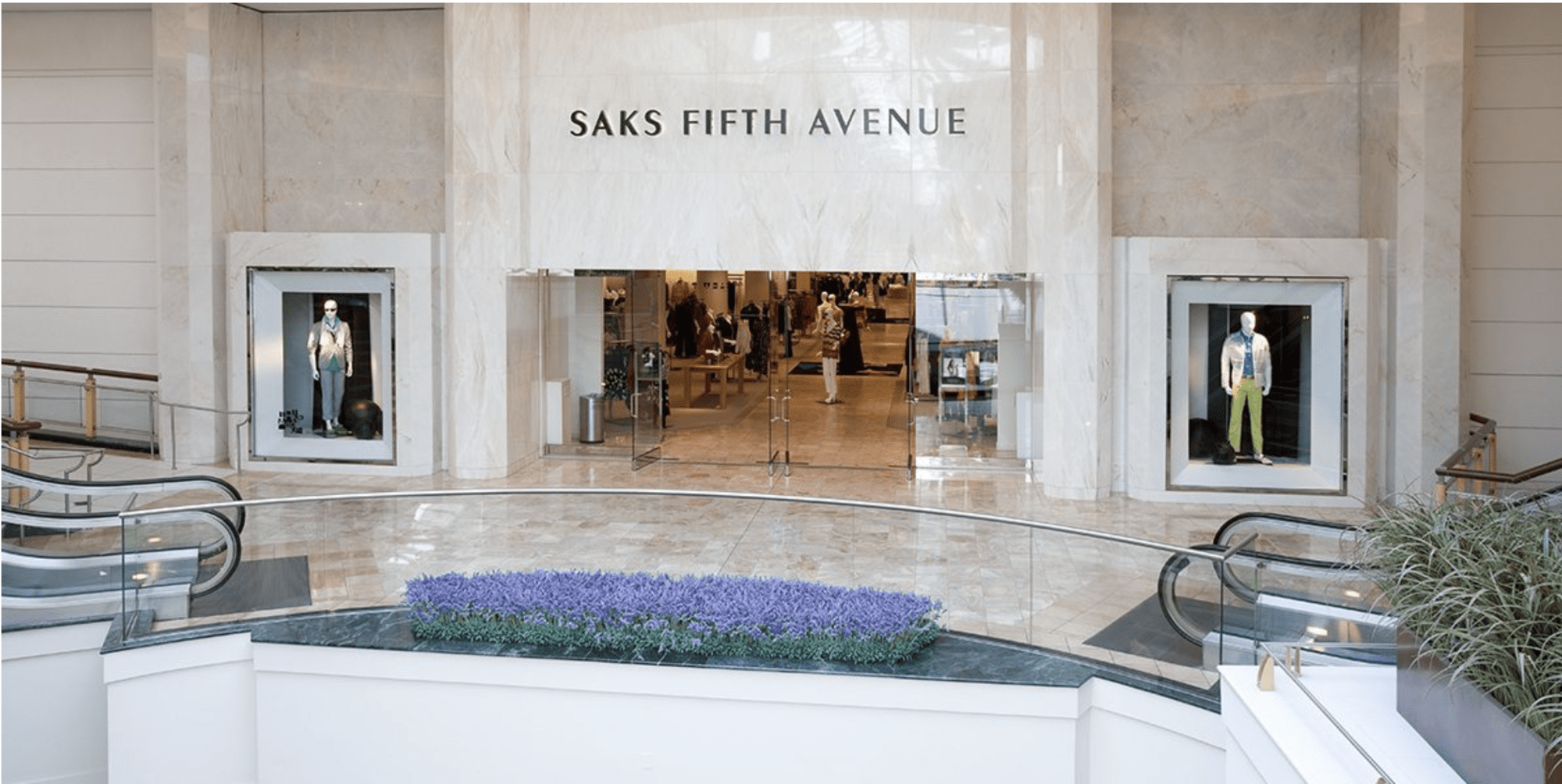
Luxury retailers Saks and Neiman Marcus are facing a notable transformation in their market presence, prompting brands to rethink their distribution channels. High-end labels like Tom Ford and Hermès are now opting to sell their products at Nordstrom and Bloomingdale’s, while brands such as YSL and Armani are partnering with Macy’s and Dillard’s. Interestingly, Prada Beauty made its debut at Sephora and Nordstrom instead of the traditional luxury department stores.
Even iconic brands like Chanel and Dior have begun promoting their skincare and makeup lines through Ulta, indicating a significant decline in Saks and Neiman Marcus’s dominance in the luxury sector. Niche fragrance names like Creed and Maison Francis Kurkdjian are launching at Bluemercury, further reflecting this trend. Luxury fashion houses are also expanding their premium fragrance offerings at Sephora, showing a willingness to adapt.
Bergdorf Goodman remains a unique player in this landscape, serving as a launchpad for brands such as Charlotte Tilbury and Victoria Beckham Beauty. This store traditionally garners attention for emerging labels, which often seek further distribution through larger retailers. Given the competition in New York, many brands that once relied solely on Bergdorf Goodman are now diversifying to include Bloomingdale’s, Nordstrom, or Macy’s.
Macy’s recently enhanced its luxury beauty section through extensive renovations, adding a host of high-end skincare, makeup, and fragrance brands. Meanwhile, Amazon’s grip on the market continues to expand, drawing in brands across all price segments, highlighting the importance of convenience and speed in distribution.
A crucial question arises regarding how Amazon can cultivate a true luxury shopping experience. The aesthetics of their site, trial options, and shipping methods need to be elevated to match luxury brands’ standards. Despite these challenges, opportunities for retailers like Bloomingdale’s and Nordstrom exist to enhance their beauty offerings by leveraging their brand reputation to create distinctive customer experiences.
Examples from abroad, such as Harrod’s H Beauty in the UK, present potential models that Bloomingdale’s and Nordstrom could emulate. These retailers could implement premium services and unique experiences, distinguishing themselves from competitors like Sephora and Ulta.
Creating innovative online beauty platforms will be challenging, particularly with Amazon’s increasing dominance in luxury segments. However, the landscape is ripe for a new player to emerge in the digital beauty market. Platforms like Net-a-Porter and Farfetch have explored this space with limited success, yet the concept of a dedicated beauty-focused online retailer could warrant a renewed examination, given the current shift in distribution practices.
Ultimately, the traditional prestige associated with Saks, Neiman Marcus, and Bergdorf Goodman appears more fragile than ever. Today’s consumers are seeking spaces to explore and experience luxury beauty in an environment that aligns with the narratives of the brands they support, suggesting a broader evolution in luxury retail dynamics.
The content above is a summary. For more details, see the source article.









