


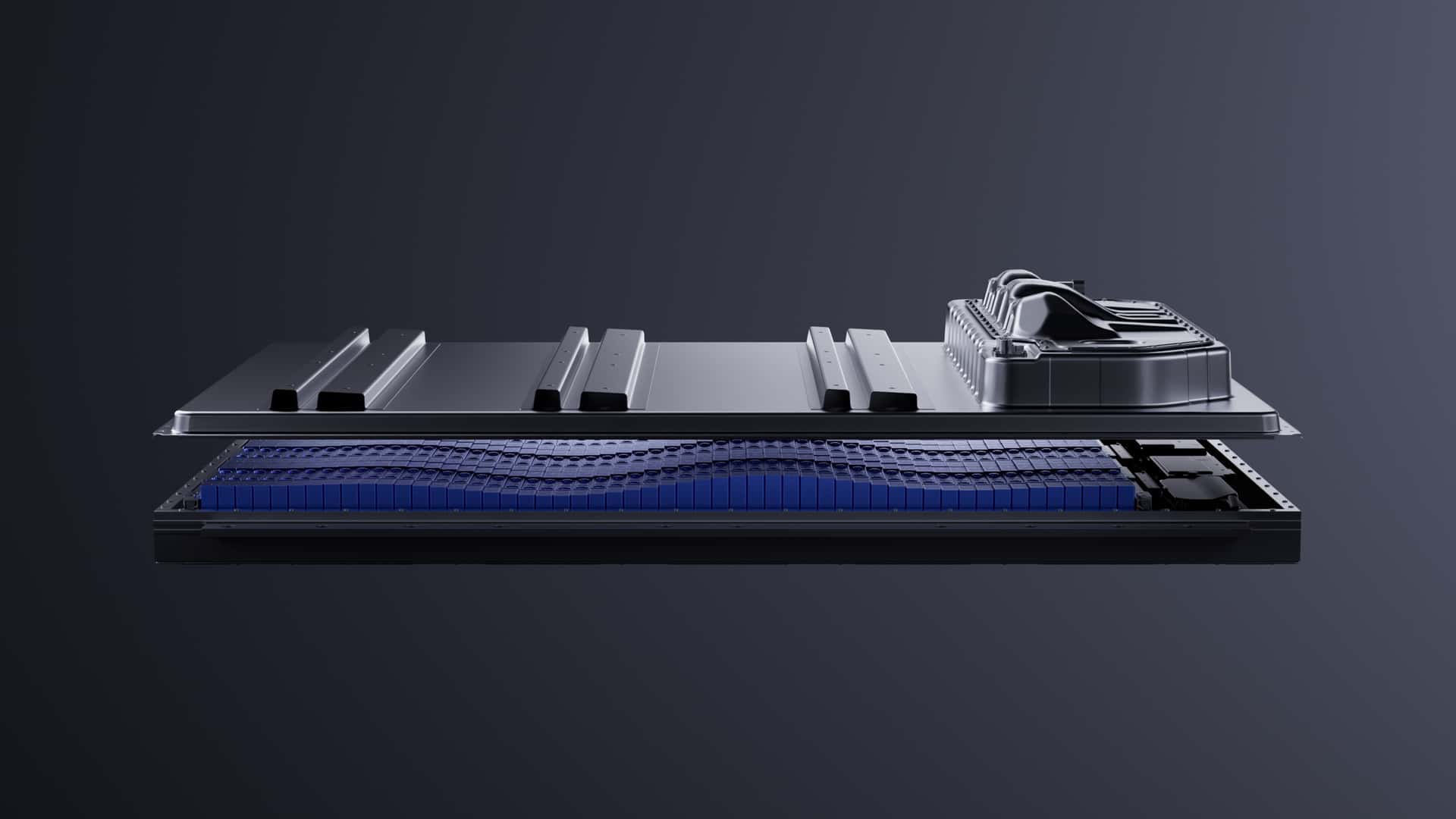
Key Takeaways
- LFP batteries saw a 48% demand increase in 2025, surpassing nickel-based options globally.
- China leads the LFP adoption, with over 80% of its EVs featuring this technology.
- North America experienced a decline in LFP deployments due to tariffs and sourcing restrictions.
Rapid Shift in Battery Chemistry
According to RhoMotion, lithium-iron phosphate (LFP) batteries emerged as the fastest growing battery chemistry in 2025, experiencing a 48% increase in demand. This significant growth has allowed LFP to surpass nickel-based batteries, marking a major shift in the global battery landscape.
Over the years, the automotive industry primarily focused on nickel-manganese-cobalt (NMC) batteries. While NMC batteries offered advantages such as higher energy density for better driving range—popular in U.S. electric vehicles—their associated mining costs and environmental implications, including links to human rights violations in regions like the Democratic Republic of Congo, have prompted manufacturers to transition to LFP alternatives.
LFP batteries, favored for their cost-effectiveness and decreased reliance on contentious materials, accounted for over half of global EV battery deployments by the end of last year. Although NMC batteries still maintain a slight edge in energy density, advancements in battery design—including cell-to-pack and optimized material compositions—are bridging this performance gap.
China leads the charge in LFP battery adoption, with more than 80% of EVs sold in the country from January to November last year featuring LFP technology. This dominance is also influencing international markets, particularly in Europe and Asia, where Chinese automakers accounted for 12.8% of the European EV market by November, a significant rise from previous years. Companies such as BYD and Chery have noted substantial growth in this region.
Chinese battery manufacturer CATL is a key player, supplying about one-third of all EVs sold globally with its LFP cells. The company is also investing in local manufacturing facilities in Europe to mitigate tariff risks and align with automakers. Notably, CATL operates a plant in Germany and is expanding its presence with plans for additional factories in Spain.
Conversely, North America faced a decline in LFP battery deployments in 2025. The U.S. has enacted tariffs and strict sourcing regulations that effectively block Chinese-made batteries from entering the market, limiting the availability of LFP-equipped vehicles. This is evidenced by Tesla’s discontinuation of the LFP option for the Model 3 in the U.S. Rivian and Ford, however, continue to offer LFP packs in select base models.
While LFP’s presence in the U.S. may be limited now, future growth is anticipated, particularly in the battery energy storage systems (BESS) market. Following the end of the $7,500 federal tax credit, battery manufacturers such as LG Energy Solution and Tesla have readjusted their production strategies to meet the rising demand in the BESS sector, which is growing at a faster pace than the EV market.
Overall, the transition to LFP batteries represents a pivotal moment in the global automotive and energy sectors, driven by economic, environmental, and geopolitical factors. As manufacturers adapt to these trends, the landscape of electric mobility is set to evolve rapidly.
The content above is a summary. For more details, see the source article.









