


Key Takeaways
- Global food production must increase by 60% by 2050 due to population growth.
- Extreme weather and harmful chemicals threaten crop yields and ecosystem health.
- Innovative AgriTech solutions are essential for sustainable farming and reducing emissions.
Challenges in Agriculture and the Role of AgriTech
As the world’s population expands, agricultural systems face unprecedented pressure to increase food output. By 2050, farms must generate 60% more food to meet demand. However, extreme weather events, exacerbated by climate change, significantly disrupt crop yields, threatening global food security.
The reliance on existing commercial chemicals to boost crop production has caused severe damage to surrounding ecosystems. As a result, farmers are urged to transition to environmentally friendly alternatives that promote soil health. Failure to make such changes risks depleting the land permanently, threatening long-term agricultural viability.
Additionally, agrifood systems contribute to approximately one-third of global greenhouse gas emissions. This fact has put a spotlight on the carbon footprints of farms. Farm owners are now required to closely monitor and manage emissions to comply with various trading schemes, regulations, taxes, and subsidies aimed at combating climate change.
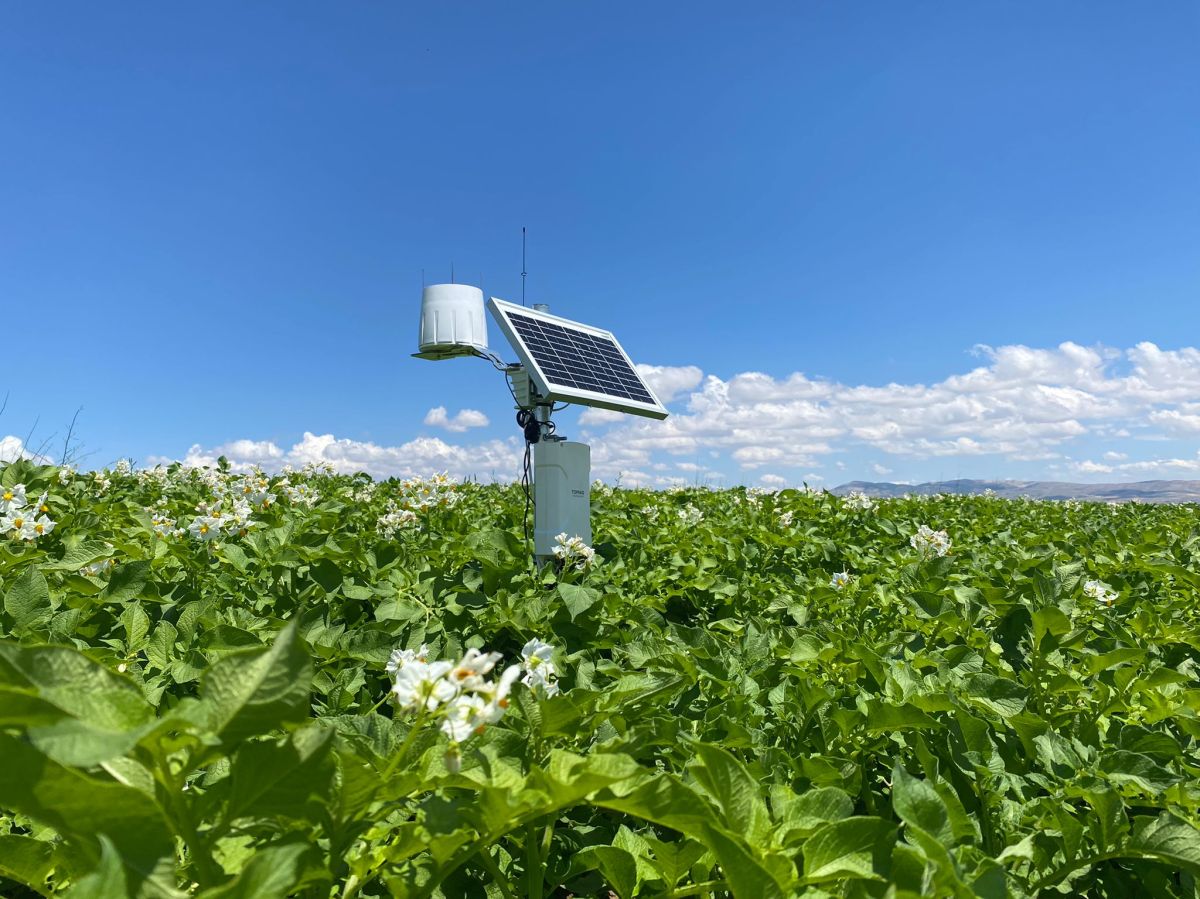
To navigate these complex challenges, farms are increasingly collaborating with laboratories, developer teams, and corporate leaders. They are focusing on a range of innovative solutions, from cutting-edge crop genetics and soil probiotics to sustainable protein production methods and AI-driven farm management.
The introduction of AgriTech innovations plays a crucial role in transforming the agricultural landscape. Advanced technologies not only improve yield but also promote sustainable practices that benefit the environment. These breakthroughs are vital in ensuring that farms can meet future food demands without compromising ecological health.
As the industry adapts to these pressing challenges, the collaboration between farmers and technology providers is expected to become even more integral. By leveraging advancements in agricultural technology, the global food system can become more resilient, sustainable, and capable of supporting future generations.
The content above is a summary. For more details, see the source article.









