


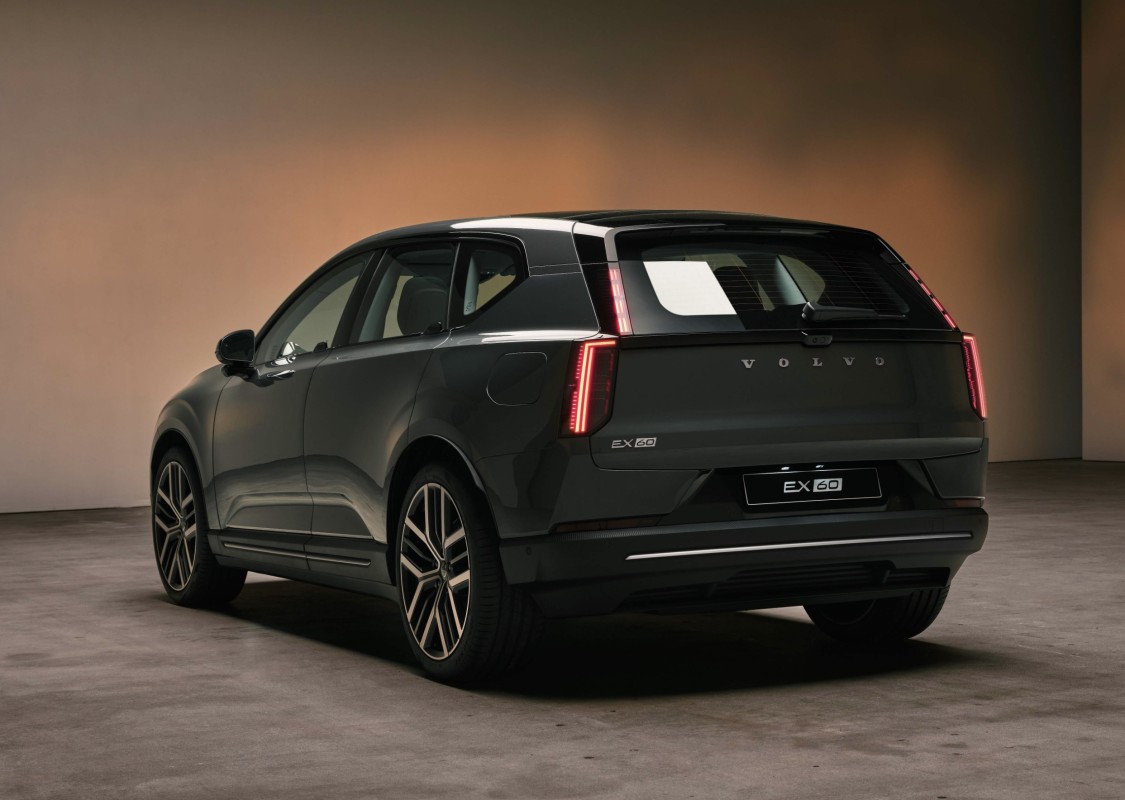
Key Takeaways
- Volvo’s EX60 electric crossover features advanced safety technology but includes potentially hazardous electronic door handles.
- The vehicle’s crash resilience is demonstrated through rigorous testing, reinforcing Volvo’s commitment to safety.
- Regulatory scrutiny is increasing around electronic door handles, with potential bans in various markets due to safety concerns.
Volvo’s Safety Legacy Reinforced with the EX60
In 1959, Volvo revolutionized automotive safety by introducing the three-point seatbelt, saving an estimated million lives. The Swedish company has since built a reputation for prioritizing passenger safety, vowing that occupants would survive a crash. To uphold this promise, Volvo conducts its own crash tests that exceed standard procedures globally.
The recently unveiled EX60 electric crossover exemplifies this commitment. It features multi-adaptive safety belts that adjust for each passenger to enhance protection. Recent tests illustrate the EX60’s structural integrity, displaying how it crumples progressively upon impact while maintaining the integrity of the A-pillars and windshield.
Concerns Over Hidden Door Handles
However, the EX60 introduces a design element that raises eyebrows: electronically operated, sensor-based door handles known as wing-grip handles. Positioned at the top of frameless doors, these handles align with a trend towards sleek aesthetics and improved aerodynamics in the automotive industry. Yet, they pose significant safety risks. In the event of a crash that disables the vehicle’s electronics, occupants may be trapped inside if they cannot manually open the doors.
While it remains uncertain whether Volvo has included fail-safes for manual door operation in the EX60, legislative movements are underway addressing this very issue. The proposed SAFE Exit Act in the U.S. aims to restrict models with electronic-only door releases, sparked by tragic incidents where individuals were trapped due to malfunctioning door mechanisms. Additionally, China has enacted a ban on retractable door handles effective January 2027, mandating a mechanical emergency release. European regulators are considering similar measures.
Balancing Safety with Modern Trends
Volvo’s emphasis on safety is not merely a marketing strategy. Since the introduction of the three-point seatbelt, the company has consistently pushed for innovations in automotive safety, incorporating features such as rear headrests, blind spot monitoring, and pedestrian detection systems with automatic braking. The EX60 utilizes advanced sensors that integrate with the vehicle’s battery system to preemptively address potential crashes.
Despite its safety-focused legacy, the adoption of electronic door handles raises questions about Volvo’s design philosophy. Influences such as platform sharing within the Geely group and the desire to align with the design trends similar to Tesla may be driving factors behind this move. This shift toward touch-sensitive technology appears at odds with Volvo’s historical preference for mechanical reliability, leading to concerns about straying from the brand’s core safety values.
As Volvo continues to innovate, balancing safety with modern aesthetics will be crucial in maintaining its reputation as a leader in automotive safety.
The content above is a summary. For more details, see the source article.









