


Key Takeaways
- The FCC’s recent ruling restricts foreign-made agricultural drones and components, citing national security.
- US manufacturers are ramping up production to fill the gap left by restricted imports.
- Long-term impacts may include slowed technological innovation for US farmers as foreign drones are blocked.
Transformative FCC Decision
A recent ruling by the US Federal Communications Commission (FCC) is reshaping the agricultural spray drone market by restricting all new foreign-made drones and essential components due to national security concerns. Placed on a restricted list, these products can no longer gain FCC authorization, a crucial step for commercial use in the US. This move has significant implications for an industry that has largely relied on foreign suppliers, especially from China.
As per the decision made on December 22, only drones authorized prior to this date can continue operations and receive updates until at least January 1, 2027. Approximately 80% of agricultural spray drones utilized by US farmers were produced by DJI, which illustrates the potential disruption the ruling could bring.
Despite the temporary relief provided for existing drones, the move poses questions about the future. Agricultural drone technology evolves rapidly, and manufacturers typically release new models annually. The restriction places foreign manufacturers at a disadvantage, highlighting an opportunity for US-based companies to seize market share as they ramp up production.
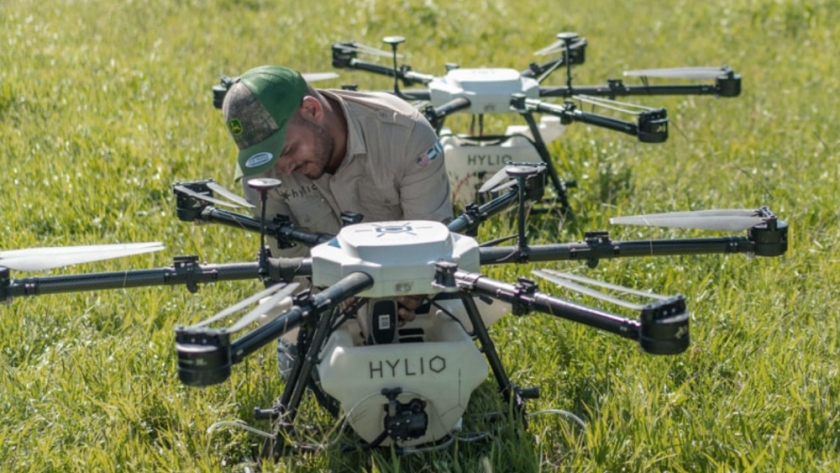
FCC Chairman Brendan Carr expressed the agency’s commitment to fostering “American drone dominance” through collaboration with domestic manufacturers. Companies like Hylio, based in Texas, are accelerating their production, aiming to meet growing demand for compliant, US-manufactured alternatives. Hylio combines proprietary software with advanced agricultural tools, marking a significant shift in production strategy since the FCC ruling. Similarly, Ceres Air in Vermont is transitioning to local manufacturing, redesigning its hardware to meet US standards.
However, challenges remain in sourcing critical components domestically. Key elements, such as batteries and motors, require time and investment to produce at scale. Companies may seek temporary waivers to import certain components while establishing local supply chains. The FCC has allowed for conditional approvals and exemptions, particularly for businesses demonstrating a clear path to domestic manufacturing.
In response to the new regulatory landscape, foreign manufacturers are adapting by exploring licensing agreements and partnerships with US-based firms instead of exiting the market. This strategy enables continued access to the US market while complying with new regulations.
For farmers, the immediate future appears stable as they can continue using existing fleets, but analysts warn of a potential innovation slowdown. Without new foreign technologies, American farmers may find themselves at a competitive disadvantage compared to their international peers. Nonetheless, boosters of the ruling assert that increased domestic investment could ultimately fortify the US agtech ecosystem, enhance data security, and foster job creation.
Overall, this FCC decision is not only a regulatory measure but a catalyst for reshaping agricultural technology production in the US, potentially impacting how these technologies are conceived, manufactured, and implemented.
The content above is a summary. For more details, see the source article.









