


Key Takeaways
- IKEA’s smart home devices prioritize affordability and ease of use but lack advanced automation features.
- The motion sensors have a battery life of 2-3 years and maintain stable connections among multiple devices.
- The adoption of Matter over Thread enhances compatibility with third-party systems, expanding integration options.
IKEA’s Smart Home Devices: Overview
IKEA’s latest smart home devices focus on providing an affordable and user-friendly solution for beginners. With features like motion-triggered lighting and impressive battery efficiency—lasting 2 to 3 years on AAA batteries—these devices offer reliable performance in everyday use. The motion sensors responded swiftly during testing, making them suitable for high-traffic areas.
While the simplicity of IKEA’s offerings is advantageous for new users, it does come with limitations. The ecosystem lacks more sophisticated features such as conditional logic, geofencing, and complex scene configurations. Users cannot create routines that activate devices based on specific circumstances, potentially frustrating those who desire granular control.
One major advancement is the adoption of the Matter over Thread protocol, which helps integrate IKEA’s devices with other platforms like Home Assistant. This opens up possibilities for enhanced automation that may not be available through IKEA’s native app. The backward compatibility with older Zigbee devices through the Dirigera hub allows seamless integration of both new and existing products, providing a versatile smart home setup.
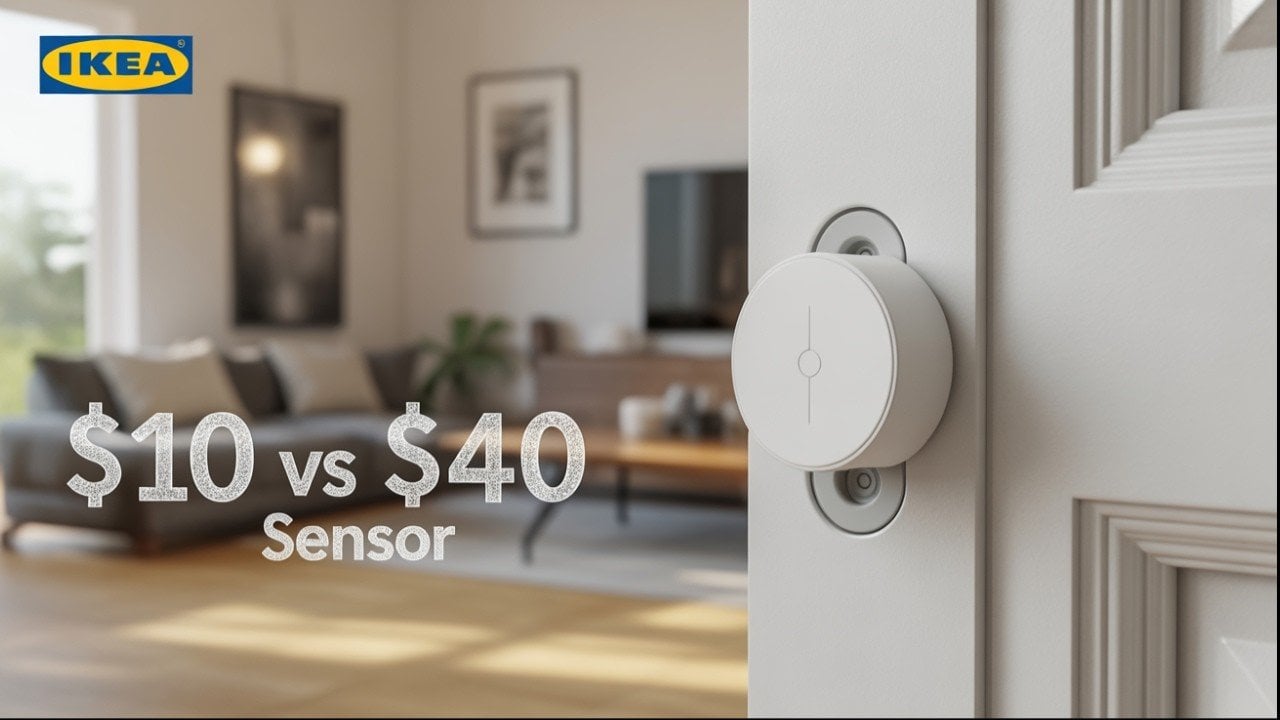
IKEA’s pricing strategy significantly undercuts competitors, with motion sensors offered at around $10 compared to Philips Hue’s $40, while still delivering comparable quality. The intuitive IKEA app, while user-friendly, lacks in-depth customization options, potentially limiting advanced users. Despite this, its offline functionality ensures consistent performance during internet outages.
Expected to roll out in the EU and US by April 2026, IKEA’s smart home devices represent an entry point into smart technology. As the market evolves, ongoing updates and enhanced integration could enhance the system’s capabilities and solidify IKEA’s position as a cost-effective smart home provider.
The content above is a summary. For more details, see the source article.









