


Key Takeaways
- Candela’s P-12 electric ferry completes a 160-nautical-mile journey, showcasing the feasibility of electric passenger vessels for long-distance travels.
- The trip demonstrates that electric ferries can operate efficiently without relying on expensive charging stations.
- This initiative aims to promote the shift towards sustainable and eco-friendly maritime transportation.
Innovative Journey of the Candela P-12
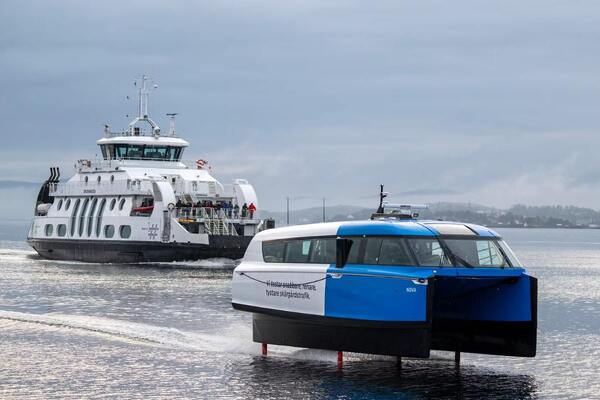
The Candela P-12 electric hydrofoiling ferry recently undertook a remarkable journey spanning 160 nautical miles, proving that electric passenger vessels can break free from limitations historically imposed by short routes and the need for specialized charging infrastructure.
This pioneering voyage is a significant leap forward in maritime transportation, emphasizing the potential of electric ferries to serve longer distances. The P-12 is engineered to offer an environmentally friendly alternative to conventional ferries, significantly reducing carbon emissions and offering a quieter travel experience. Its hydrofoiling technology enables it to glide above the water, enhancing speed and energy efficiency while minimizing water resistance.
A key aspect of this journey is demonstrating that such electric vessels do not need expensive charging stations at predetermined docking points. Instead, the Candela team aims to develop systems that allow charging to be integrated with existing port facilities, making electric ferries more accessible and practical for wider adoption.
The journey was meticulously planned and executed to ensure efficiency and reliability, showcasing the future of sustainable maritime travel. This venture could encourage cities and countries to consider electric ferries as viable options for urban and regional transportation. By proving that electric vessels can operate on longer routes, Candela hopes to lead the way toward a greener maritime industry.
This initiative not only champions ecological sustainability but also highlights the evolving technology in electric transport within the maritime sector. As more emphasis is placed on reducing environmental impacts, Candela’s efforts could inspire other companies to explore similar technologies, integrating them into their fleets.
As the world grapples with climate change and fuel dependency, the success of the Candela P-12 could serve as a catalyst in transforming maritime transportation. With ongoing innovations, electric vessels promise a significant shift toward cleaner and more sustainable transport solutions on water.
In summary, Candela’s journey is not just about the distance covered but also about setting a precedent for the future of electric ferries. The successful completion of this voyage may revolutionize how passenger ferries are perceived and operated globally and encourage further investments and developments in electric maritime technologies.
The content above is a summary. For more details, see the source article.









