


Key Takeaways
- UWO is utilizing AI-powered synthetic patients to enhance nursing student training.
- The initiative aims to provide scalable and equitable simulation experiences in healthcare education.
- Wisconsin’s universities are leading in AI integration, focusing on responsible use in education and industry.
Innovative AI Integration in Nursing Education
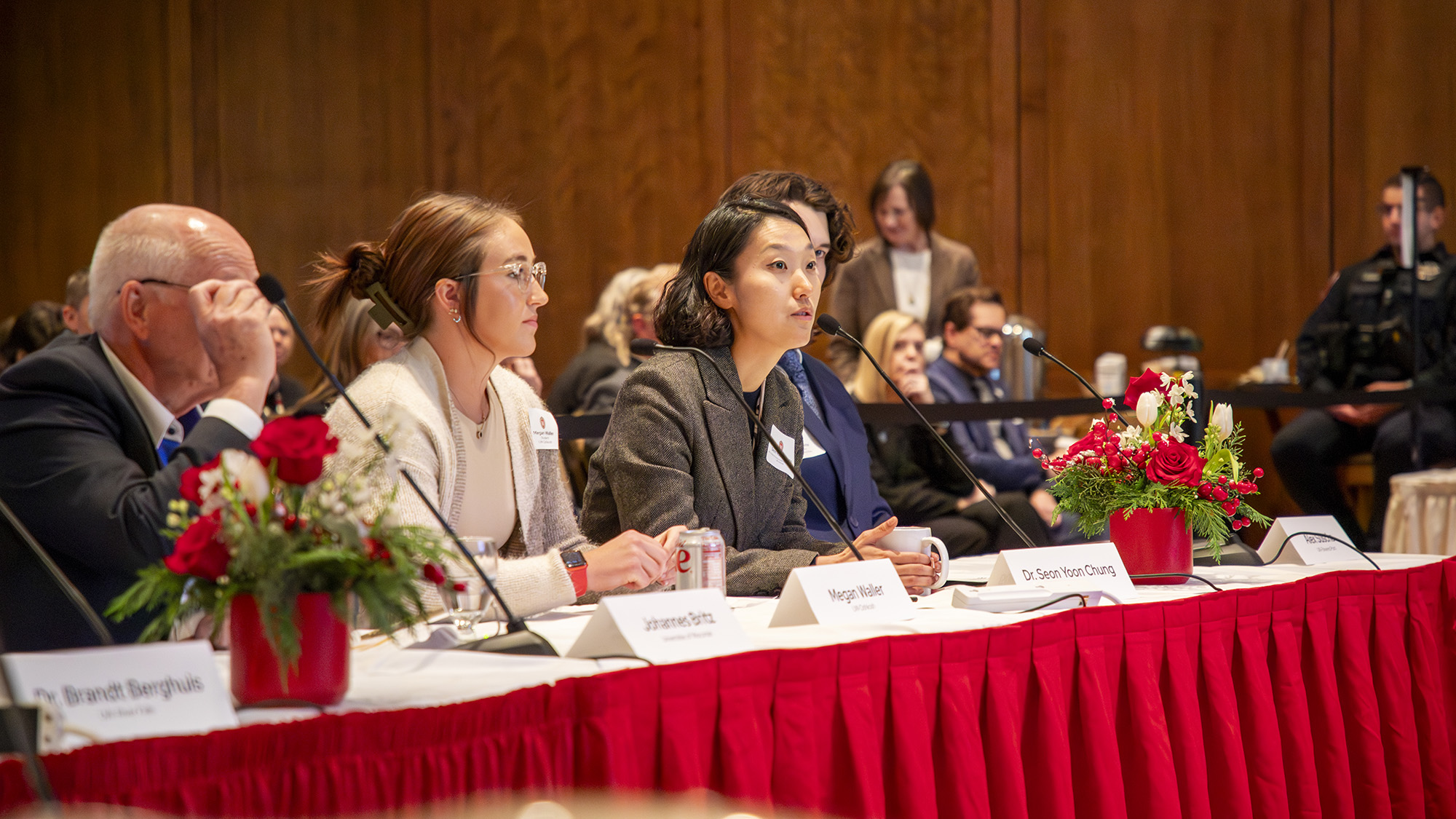
In a recent panel discussion, Seon Yoon Chung, dean of the University of Wisconsin–Oshkosh’s College of Nursing, Health Professions, and STEM, detailed how UWO is employing synthetic patients—AI-generated avatars—to enrich clinical training for nursing students. The event, part of a broader conversation with the Universities of Wisconsin Board of Regents, highlighted innovative AI applications across several campuses.
Chung explained the challenges faced by nursing programs, including limitations in traditional simulations due to constraints on space, staffing, and scheduling. To overcome these barriers, the nursing department began experimenting with generative AI in Fall 2024. Initially, this involved text-based interactions through ChatGPT, enabling students to engage in health history gathering and therapeutic communication.
As AI technology evolved, so did the simulations. By late 2024, the program introduced voice-based interactions to mimic real clinical conversations more effectively. By early Spring 2025, visual, video-based synthetic patients were rolled out. These AI avatars not only converse but also exhibit facial expressions and nonverbal cues, significantly enhancing the realism of the training experience.
Megan Waller, a junior nursing student, shared her positive experiences with synthetic patients, noting their realistic clinical histories and the immediate feedback provided on communication skills. Chung emphasized that these avatars offer an experience that is scalable and consistent across diverse social determinants of health, an advantage over traditional human-facilitated simulations.
The panel underscored a collective commitment among Wisconsin universities to integrate AI in education, research, and workforce development. Jay Rothman, President of the Universities of Wisconsin, highlighted how these institutions are not just reacting to changes brought by AI but actively shaping its role in higher education.
Discussion points included the establishment of AI-related learning standards, student-focused research in various sectors, enhanced teaching methodologies, and partnerships with industry for AI applications. Furthermore, Regent President Amy B. Bogost noted the dual opportunities and challenges presented by AI, stressing the importance of collective leadership in navigating this transition.
With over 164,600 students statewide, the Universities of Wisconsin are well-positioned to lead in workforce preparation, research advancements, and community support as AI technology continues to evolve.
The content above is a summary. For more details, see the source article.









