


Key Takeaways
- China’s electric vehicle manufacturers, particularly BYD, are targeting Canada as a strategic entry point into North America.
- The initial allocation of 49,000 EVs will primarily benefit BYD, Chery, and Geely, reflecting their capacity and market readiness.
- Success hinges on institutional depth rather than mere technological innovation; companies must navigate compliance and operational challenges to thrive.
The Chinese EV Market’s Focus on Canada
As Chinese electric vehicle (EV) manufacturers expand their horizons beyond Europe and Southeast Asia, Canada is emerging as a key entry point into the North American market. With a combination of stringent safety and environmental regulations, a consumer base open to electrification, and slightly more regulatory flexibility than the United States, Canada offers a unique landscape for these companies.
The initial quota of 49,000 EVs allocated to Canada represents only about 3.77% of the market size, which includes significant production from established automakers like Ford, Honda, General Motors, Stellantis, and Toyota. However, experts believe that the success of Chinese brands in Canada is likely. For instance, BYD has already established itself as a player in the global EV market, capturing around 18% of it with 4.27 million new energy vehicles sold worldwide in 2024.
The pressing question is which Chinese automakers possess the necessary institutional capabilities to use Canada as a proving ground for broader North American aspirations. An analysis based on insider automotive industry information reveals potential allocations of the Canadian quota:
-
BYD: Expected to dominate the quota with about 40%, or 19,600 vehicles annually, due to its vertical integration, competitive pricing, and robust global presence.
-
Chery: Likely to account for about 10% of the quota, or 4,900 vehicles, thanks to its extensive experience in various international markets.
-
Dongfeng: Estimated to secure around 3% of the quota (approximately 1,470 vehicles). The company’s long-standing joint ventures grant it vital compliance and quality experience, making it a candidate for fleet sales rather than retail.
-
Geely: Projected to take 15% of the quota (around 7,350 vehicles), benefiting from its embedded presence in Western automotive ecosystems through partnerships with brands like Volvo and Polestar.
-
Jiangling Motors: Anticipated to capture about 3% (1,470 vehicles), primarily catering to the commercial EV market.
-
NIO: Expected to secure about 4% (1,960 vehicles), though its capital-intensive business model may limit mass penetration without government support.
-
SAIC Motor: Likely to claim 20% (9,800 vehicles) due to MG’s proven success in various markets, which translates into a lower risk for Canadian regulators.
-
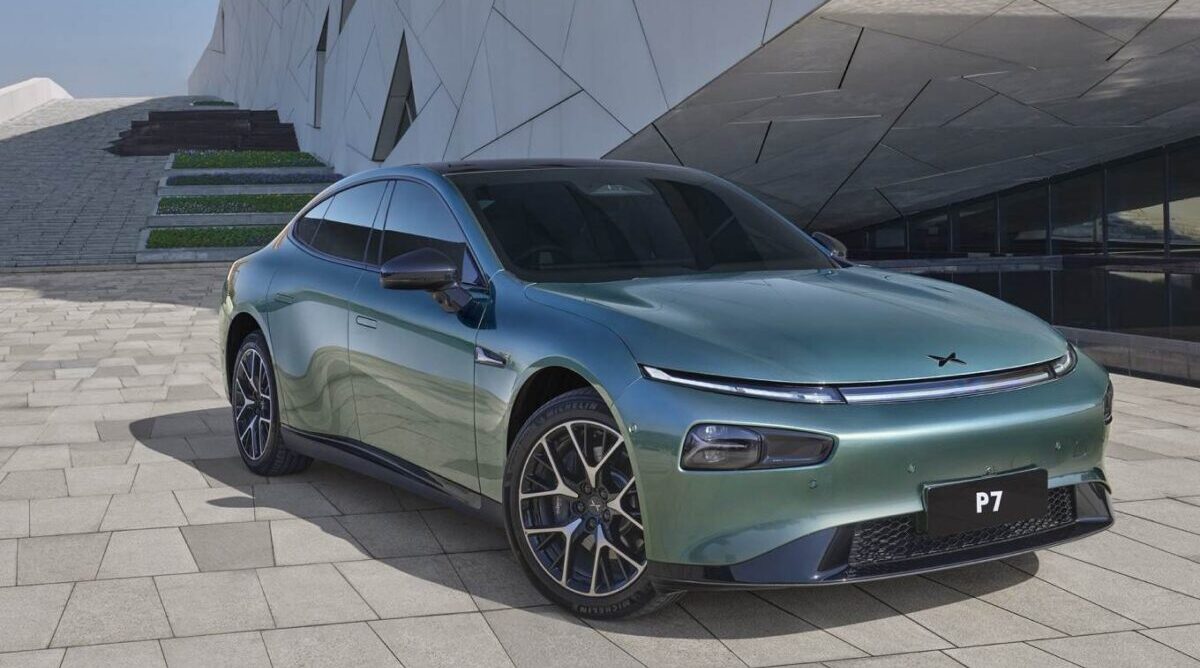
XPENG: Estimated to acquire around 5% (approximately 2,450 vehicles), focusing on advanced technology and assistance systems but facing challenges in rural areas.
Understanding the market dynamics reveals that the successful Chinese automakers in Canada will likely do so not because of disruptive innovations but through solid institutional foundations and the ability to navigate complex compliance landscapes. Canada may serve as a critical test case for these brands, determining which can establish a lasting presence in North America. As the global EV market evolves, staying power will weigh more heavily than novelty, making it imperative for manufacturers to adapt to local preferences and regulatory requirements.
The content above is a summary. For more details, see the source article.









