


Key Takeaways
- AS Beauty acquired Laura Geller Beauty in 2019, leading to sales growth from $30 million to over $300 million.
- The company recently closed underperforming brands Cover FX and Mally Beauty to focus on stronger brands like Laura Geller and Julep.
- AS Beauty aims to acquire additional brands with a focus on mature women, leveraging digital-first strategies for operational efficiency.
Market Strategy and Brand Success
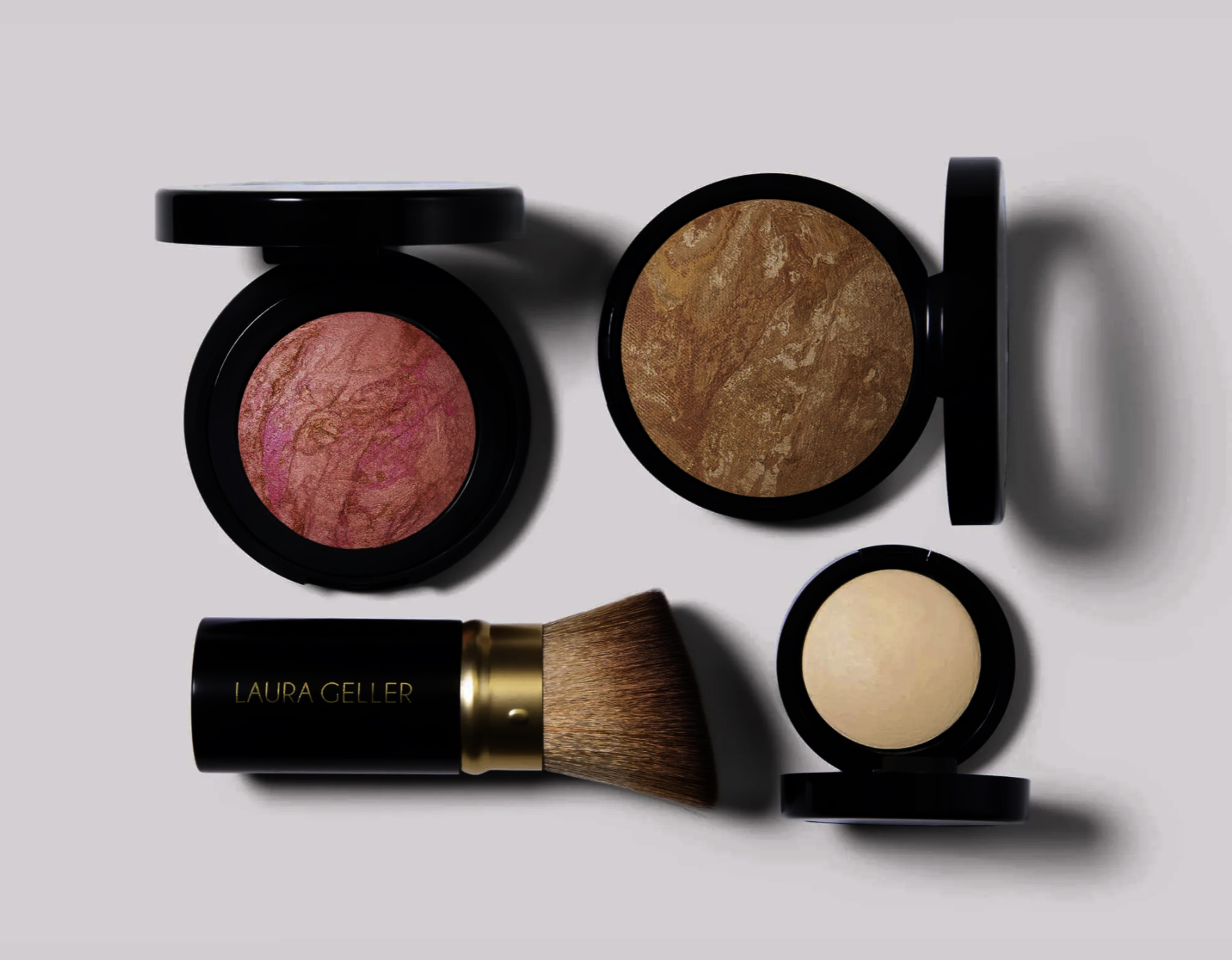
Laura Geller Beauty, a brand with over 25 years in the market, has recently transformed under AS Beauty, which acquired the brand along with Julep for $18 million from the bankrupt Glansaol in 2019. The new ownership has seen significant growth, pushing sales to exceed $300 million within three years, largely by catering to Gen X and baby boomer women.
AS Beauty’s CEO, Joey Shamah, emphasizes their strategic withdrawal from retail giants like Ulta and Sephora at first, believing it necessary to reassess the brand for profitability. The strategy paid off, as sales surged approximately 10 times since the acquisition. This shift is attributed to a clear focus on the mature woman demographic, a less competitive market that has allowed AS Beauty to maintain lower customer acquisition costs (CAC).
The company recently made bold decisions to discontinue Cover FX and Mally Beauty, citing operational challenges and a lack of profitability. Shamah indicated that while the brands had potential, the resources required to revitalize them outweighed expected returns.
Acquisition Plans and Digital Focus
AS Beauty is now concentrating on its core brands—Laura Geller, Julep, and Bliss—while looking for new acquisitions that align with its digital-first model. Shamah noted the ongoing transformations in the beauty industry and AS Beauty’s commitment to growing through profitable channels, including direct-to-consumer sales, Amazon, and QVC.
Looking ahead, the company is targeting brands with a wholesale run rate exceeding $50 million and believes it can unlock value in established legacy brands. Shamah highlighted the importance of operational leverage and focused marketing, especially in a market where many brands struggle with profitability.
Beauty Industry Trends and Challenges
The beauty market is evolving, and Shamah anticipates a wave of acquisitions as companies adjust to the new landscape. He cautioned that discrepancies in expected versus realized valuations could lead to a more normalized deal environment by 2026.
When discussing the direct-to-consumer (DTC) model, Shamah recognized rising CACs, but noted that targeting mature women has proven effective for Laura Geller, as the demographic is less saturated online. He remains optimistic about platforms like TikTok Shop and acknowledges an increasing presence of older consumers on these channels.
Future Prospects
AS Beauty sees potential for further growth in its existing brands while aiming for strategic acquisitions. The plan is not to pursue distressed assets but rather to identify opportunities within legacy brands that have untapped potential due to balance sheet issues or market conditions.
Shamah concluded that operational efficiency, digital-first strategies, and understanding the unique needs of mature consumers are key to navigating challenges in the beauty sector. With a lean team and a commitment to rapid decision-making, AS Beauty positions itself to adapt and thrive in the competitive beauty industry landscape.
The content above is a summary. For more details, see the source article.









