


Key Takeaways
- Matter enables seamless compatibility among smart home devices from different brands.
- The Connectivity Standards Alliance continues enhancing Matter, now supporting various device types, including video cameras.
- While adoption is growing, challenges remain with device compatibility and user experience across ecosystems.
Seamless Smart Home Compatibility with Matter
The vision for a fully interoperable smart home, where devices from different brands work together seamlessly, has been pioneered through the development of the Matter standard by the Connectivity Standards Alliance. Previously, devices operated in silos, each requiring unique apps and compatibility. Matter aims to change this by providing a universal standard that allows various brands to interconnect their products.
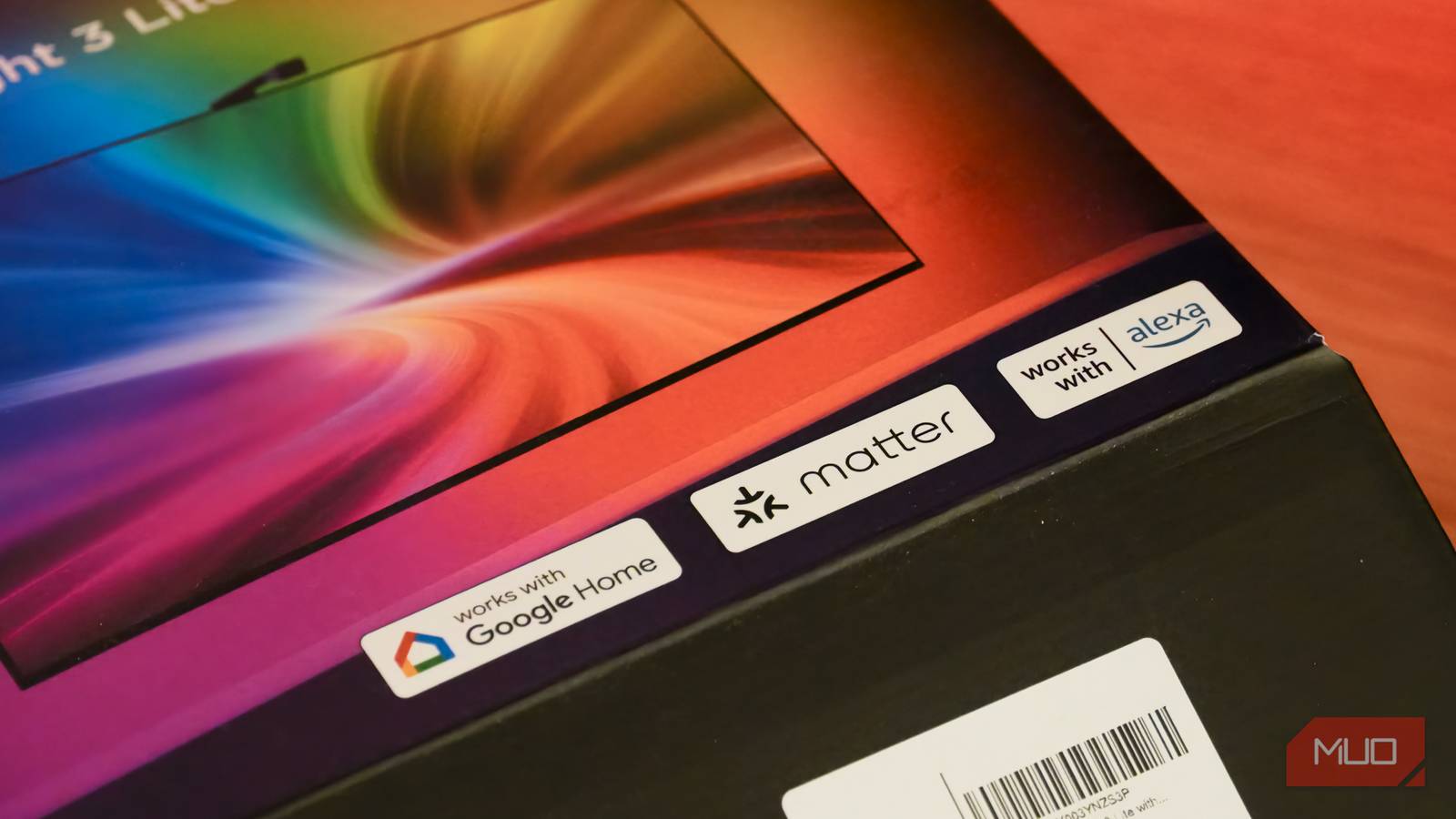
Matter works in conjunction with Thread, a protocol that creates an efficient, self-healing mesh network among smart devices, improving speed and reliability. While the technicalities may seem complex, consumers have a straightforward way to identify compatible devices: look for the Matter logo on packaging. Products bearing this label can be integrated into various smart home ecosystems, such as Apple Home, Google Home, and Amazon Alexa.
The current Matter version, 1.5, expands support for an array of device types, including video cameras. However, not all high-profile brands have fully adopted the standard yet, meaning consumers might still encounter limitations in 2026. Initial support under Matter 1.0 included fundamental devices like smart bulbs, locks, and thermostats, with subsequent releases adding wider device categories like refrigerators, EV chargers, and even soil sensors. Brands are now in the process of updating their products to support Matter, enhancing consumer options for cross-compatibility.
To utilize Matter, a Matter Hub is necessary. Common devices like Apple TV 4K and Google smart speakers can function as hubs, bridging the control interface with smart devices. For optimal performance, a Thread Border Router is also recommended, helping to form a localized mesh network. This arrangement allows devices to communicate with each other more efficiently, reducing power consumption and maintaining functionality even if some devices drop offline.
Despite advancements, challenges remain. Not every device currently adheres to the Matter and Thread standards, and integrating new devices can be cumbersome. Initial setup is usually straightforward, but re-adding devices later may involve complex steps, such as resetting the device. Moreover, while a device may connect successfully, users might not have access to all settings or functionality typically available in dedicated brand apps, potentially leaving users with various apps for complete control.
In summary, while Matter and Thread are paving the way for a more interconnected future in smart home technology, consumers should remain informed and seek devices that support these protocols to ensure greater flexibility and compatibility across their smart ecosystems. Continual advancements will benefit users as brands adapt to this evolving standard.
The content above is a summary. For more details, see the source article.









