


Key Takeaways
- Iran is enhancing agricultural practices through cold plasma technology and nuclear-related advancements.
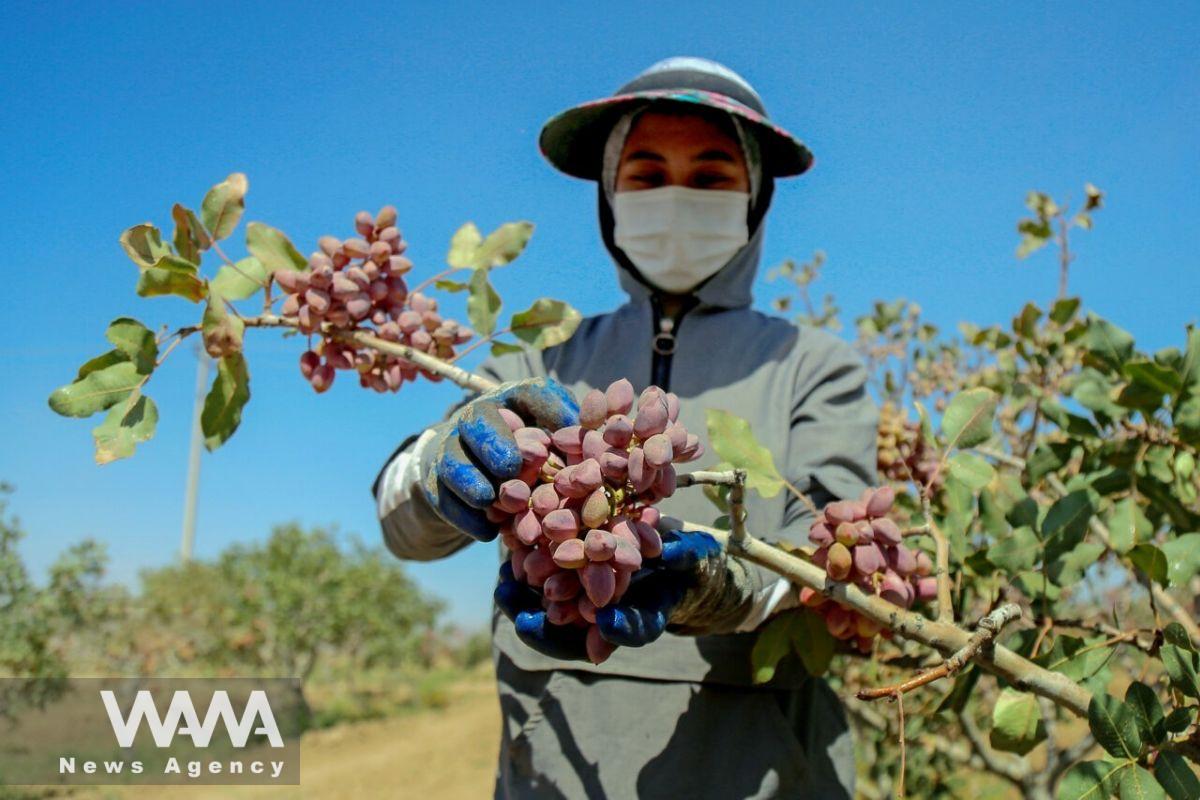
- The Rafsanjan Plasma Center aims to improve pest control and post-harvest preservation for pistachio production.
- Cold plasma technology offers cost-effective solutions while ensuring higher quality and safer exports of agricultural products.
Advancing Agricultural Techniques in Iran
Iran is making notable strides in the peaceful use of nuclear technology to improve agricultural practices. Cold plasma technology is being adopted to tackle issues like contamination and post-harvest losses, significantly benefiting food security and increasing export quality.
Since 1974, nuclear techniques have been utilized in Iran’s agriculture sector, focusing on enhancing productivity and reducing waste. Key applications encompass:
-
Crop Improvement: Techniques like gamma ray irradiation have facilitated the development of high-yield plant varieties—such as wheat, barley, rice, and cotton—with attributes like drought resistance and earlier maturation. Reports indicate that cotton yields have surged by up to 800 kilograms per hectare.
-
Post-Harvest Preservation: Irradiation effectively eliminates spoilage agents, extending the shelf life of agricultural products and minimizing storage losses.
-
Pest Control: The sterile insect technique employs radiation to sterilize male insects, providing a chemical-free pest management option.
-
Water and Soil Management: Isotope tracers and neutron measurement devices are deployed to assess soil erosion and optimize irrigation timing, potentially reducing water usage by up to 55 percent.
Rafsanjan Plasma Center: A Key Development
The establishment of the Rafsanjan Plasma Center, set to launch in November 2024, represents a significant advancement. Sponsored by the Atomic Energy Organization of Iran and established by a local plasma technology company, the center is situated in Rafsanjan’s industrial zone, known for its pistachio production.
Cold plasma, described as the “fourth state of matter,” is generated at near-ambient temperatures and can destroy microorganisms without thermal effects, making it suitable for treating delicate agricultural products.
Advantages for Pistachio Exportation
Officials highlight several benefits of utilizing cold plasma technology in pistachio and dried fruit production:
- Effective Decontamination: Enhances product safety for consumers.
- Extended Shelf Life: Promotes better retention of quality during storage.
- Cost Efficiency: Processing costs are projected to be no more than 5 percent of the product’s value, which proponents argue is justified by the quality enhancement and increased export competitiveness.
Despite cold plasma technology not directly involving nuclear fission, experts believe that the foundational knowledge from Iran’s nuclear sector has enabled the domestic development of such advanced technologies. The Rafsanjan Plasma Center exemplifies the peaceful applications of nuclear expertise in addressing critical agricultural challenges, particularly in a sector vital for livelihoods and non-oil exports.
The content above is a summary. For more details, see the source article.









