


Key Takeaways
- An effective flame sensor can detect thermal radiation to provide early fire warnings and activate suppression systems.
- Temperature change detection is less reliable due to possible delays in identifying fires.
- The project involves using a DFRobot FireBeetle 2 ESP32 and associated components for fire detection and monitoring.
Flame Detection Technology Overview
Fire detection is critical for preventing casualties and property damage. Conventional methods such as temperature change or smoke detection can be inadequate. Some fires may occur without any noticeable smoke, making temperature detection unreliable, as it may happen too late to act. A more effective approach is to leverage flame sensors that detect thermal radiation, offering a timely warning system.
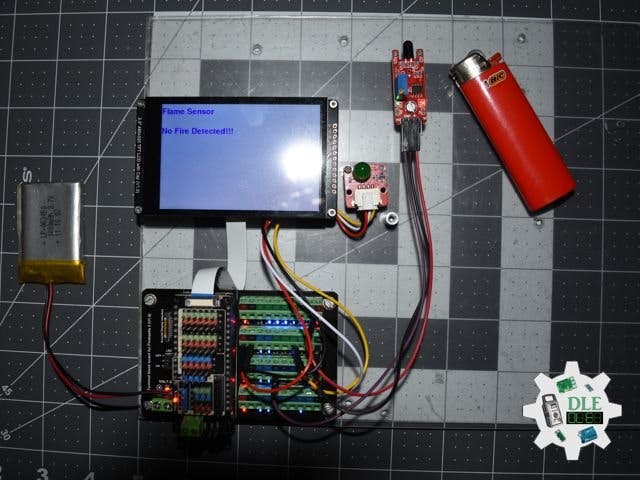
This project utilizes a flame sensor integrated with the DFRobot FireBeetle 2 ESP32 microcontroller, allowing for efficient fire monitoring. The necessary components for this setup include a 3.5″ TFT LCD for display, an LED indicator, and an IoT shield to facilitate connectivity. The assembly is powered by a 1000mAh lithium-ion battery.
The flame sensor works by monitoring changes in thermal radiation rather than waiting for a detectable temperature increase. This method enhances accuracy and response time, helping to ensure timely notifications and the potential activation of automatic fire suppression systems.
The kit designed for this project includes various components, each playing a vital role in the flame detection process. The FireBeetle acts as the central processing unit, interfacing with other hardware to monitor environmental conditions and detect flames.
Furthermore, this project exemplifies the integration of IoT technology with fire safety systems, allowing for remote monitoring and control. It emphasizes the importance of continuous research and development in enhancing fire safety technology, ensuring that modern systems meet the demand for both reliability and efficiency in emergency scenarios.
Overall, the project demonstrates the potential for using advanced sensors and microcontroller technology to improve fire detection and response capabilities, underscoring the need for innovative solutions in safety applications.
The content above is a summary. For more details, see the source article.









