


Key Takeaways
- State legislators across party lines are increasingly uniting to regulate artificial intelligence and data centers due to their environmental impact.
- Notable bipartisan proposals include restricting AI use of personal data and regulating data centers to manage electricity and water consumption.
- Both parties are addressing the housing crisis with initiatives to reduce regulations and support affordable housing solutions.
Growing Bipartisan Efforts for Regulation
As Congress grapples with deep partisan divides, state legislators are finding common ground on pressing issues for the 2026 legislative season. A significant focus is on regulating artificial intelligence (AI) and the electricity-intensive data centers that support its growth. Political experts note that big tech has shifted traditional party dynamics, prompting a collective effort from both conservatives and liberals to address perceived challenges.
Florida Governor Ron DeSantis and New York Governor Kathy Hochul are emblematic of this bipartisan trend. DeSantis advocates for the Artificial Intelligence Bill of Rights, which aims to protect individuals by requiring consent for the use of personal data, especially for minors. He warns that failure to regulate AI could lead to widespread misinformation. New York is also advancing legislation to further restrict chatbot usage, especially among young people, placing responsibility on tech companies for user safety.
Despite an executive order from former President Trump aimed at curbing state-level regulations on AI, there is a concerted push from both Republicans and Democrats to implement various proposals addressing AI’s oversight. These measures seek to ensure human involvement in AI-driven employment decisions and prevent surveillance practices linked to consumer pricing.
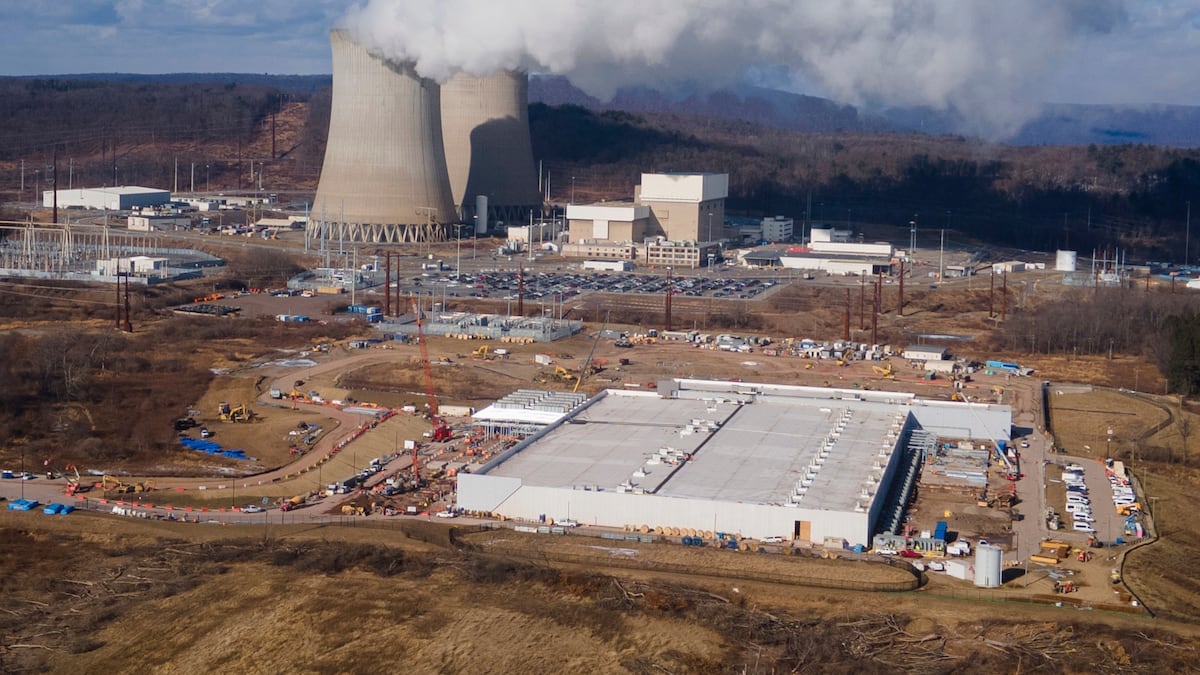
Additionally, data centers, essential for AI functionality, face growing scrutiny due to their significant energy and water demands. Lawmakers, particularly in Florida, express concerns over the potential strain on local resources and utility costs. DeSantis has challenged the claims that data centers will lead to job growth and reduced taxes, calling them exaggerated.
Many states are exploring limitations on data center development. In South Dakota, legislation aims to prevent state overrides of local governance on data center matters, while Oklahoma is evaluating similar measures. Trump’s administration supports the growth of data centers but emphasizes that tech companies should independently cover their energy costs.
On a broader scale, housing affordability issues have garnered attention from both parties. In Florida, bipartisan support exists for easing restrictions on accessory dwelling units as part of a response to the housing crisis. However, disagreements arise over methods, with Democrats advocating for reduced property insurance rates while Republicans favor tax cuts.
As the legislative landscape evolves, it is evident that state lawmakers are increasingly collaborating across party lines to tackle the pressing challenges of AI regulation, data center oversight, and housing affordability, marking a notable shift in political strategy.
The content above is a summary. For more details, see the source article.









