


Key Takeaways
- Modern robot vacuums often include mopping features and can manage multiple floor plans.
- Brands like Roborock and Dreame have surpassed Roomba in performance and value.
- Robot vacuums are effective for regular cleaning, particularly for pet hair, but won’t fully replace manual vacuums.
Common Misconceptions About Robot Vacuums
Robot vacuums are becoming increasingly popular, but many misconceptions persist. Here is the truth behind eight common misunderstandings.
Mopping Capabilities
While traditional views limit robot vacuums to vacuuming, most modern models also incorporate mopping functions. However, the effectiveness of this feature varies. Basic models, like the Dreame D9 Max Gen 2, require manual water tank filling, while higher-end models can configure no-mop zones and automatically lift mop pads when navigating carpets.
Multi-Floor Use
Although many assume robot vacuums are confined to a single level, they can operate on multiple floors. Users must transport them up and down stairs but can map each floor using the accompanying app. Most models feature cliff sensors to prevent falls.
Brand Limitations
Roomba, once a market leader, is no longer the top choice. Newer brands like Roborock, Dreame, and Eufy offer superior features and generally better reliability and value.
Suitability for Pet Owners
Despite the challenge of collecting pet hair, robot vacuums can significantly aid pet owners. They allow for frequent, automated cleaning, helping reduce the buildup of hair. Key features to consider include strong suction capabilities (around 6,000Pa) and self-emptying bins.
User-Friendliness
While the technology behind robot vacuums may seem complex, their operation is typically straightforward. Most devices guide users through setup, and basic functions can be executed with a single button.
Navigating Clutter
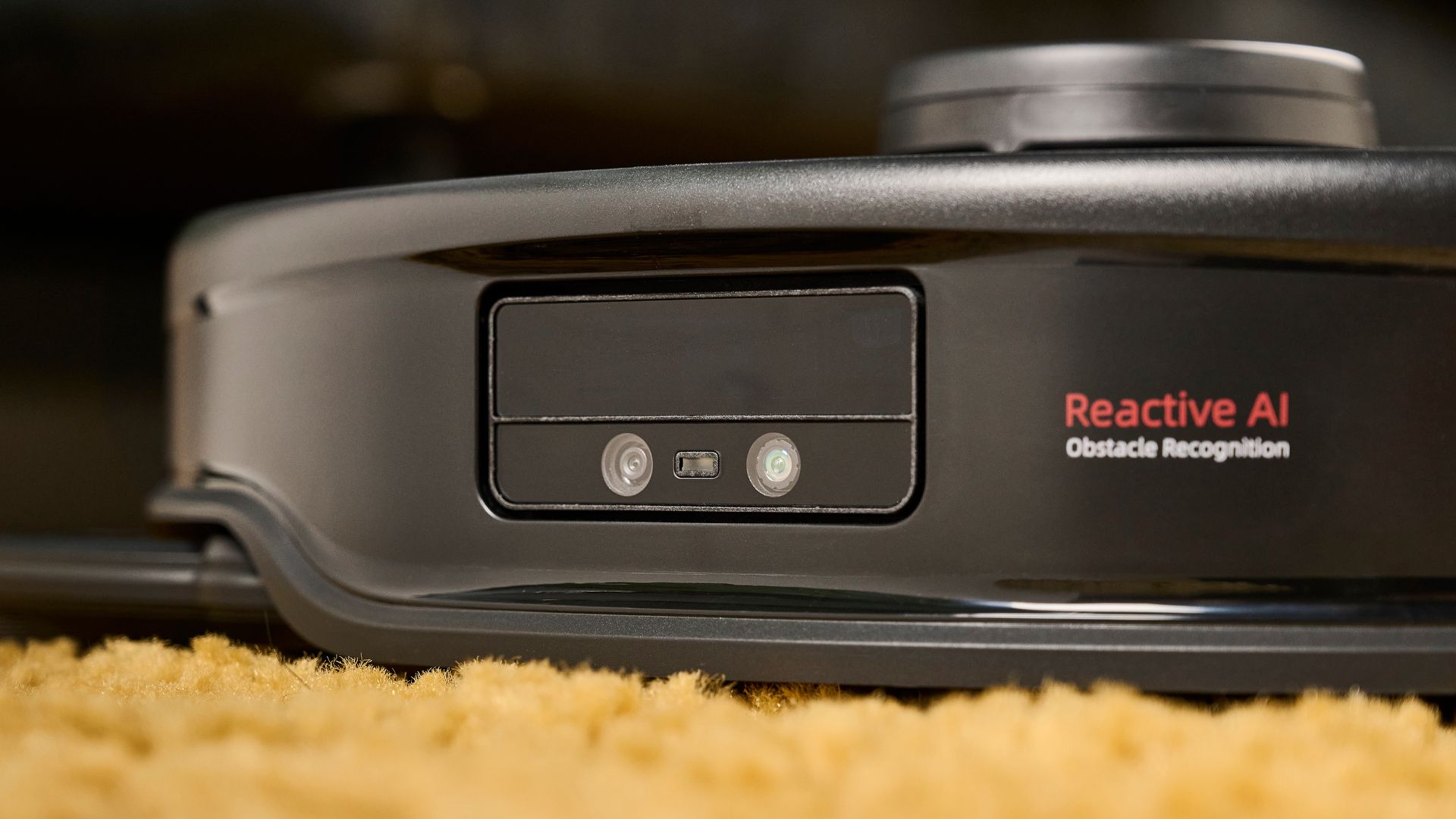
Advanced navigation technology allows robot vacuums to maneuver around obstacles effectively. However, they may struggle with shallow objects, such as cables and small furniture.
Not a Full Replacement for Manual Vacuums
Robot vacuums excel at regular cleaning but cannot substitute for manual vacuums, especially for deep cleaning tasks. They often can’t handle stairs or clean specifics like sofas and other upholstered furniture.
Cost Considerations
Robot vacuum pricing can vary widely. While high-end models can exceed $1,000, numerous functioning units are available for under $400. Discounts are common, particularly during major shopping events, making them more accessible to consumers.
Overall, robot vacuums are valuable home devices that enhance cleaning automation but should complement rather than replace traditional vacuuming methods.
The content above is a summary. For more details, see the source article.









