


Key Takeaways
- Donut Lab claims to have developed the first production-ready all-solid-state battery, but details about the chemistry remain undisclosed.
- Recent tests show fast charging capabilities, with 80% charge in under five minutes, but real-world performance at the pack level is still questionable.
- Critics emphasize that lab results do not guarantee long-term durability or performance across battery cycles.
Battery Testing Results and Concerns
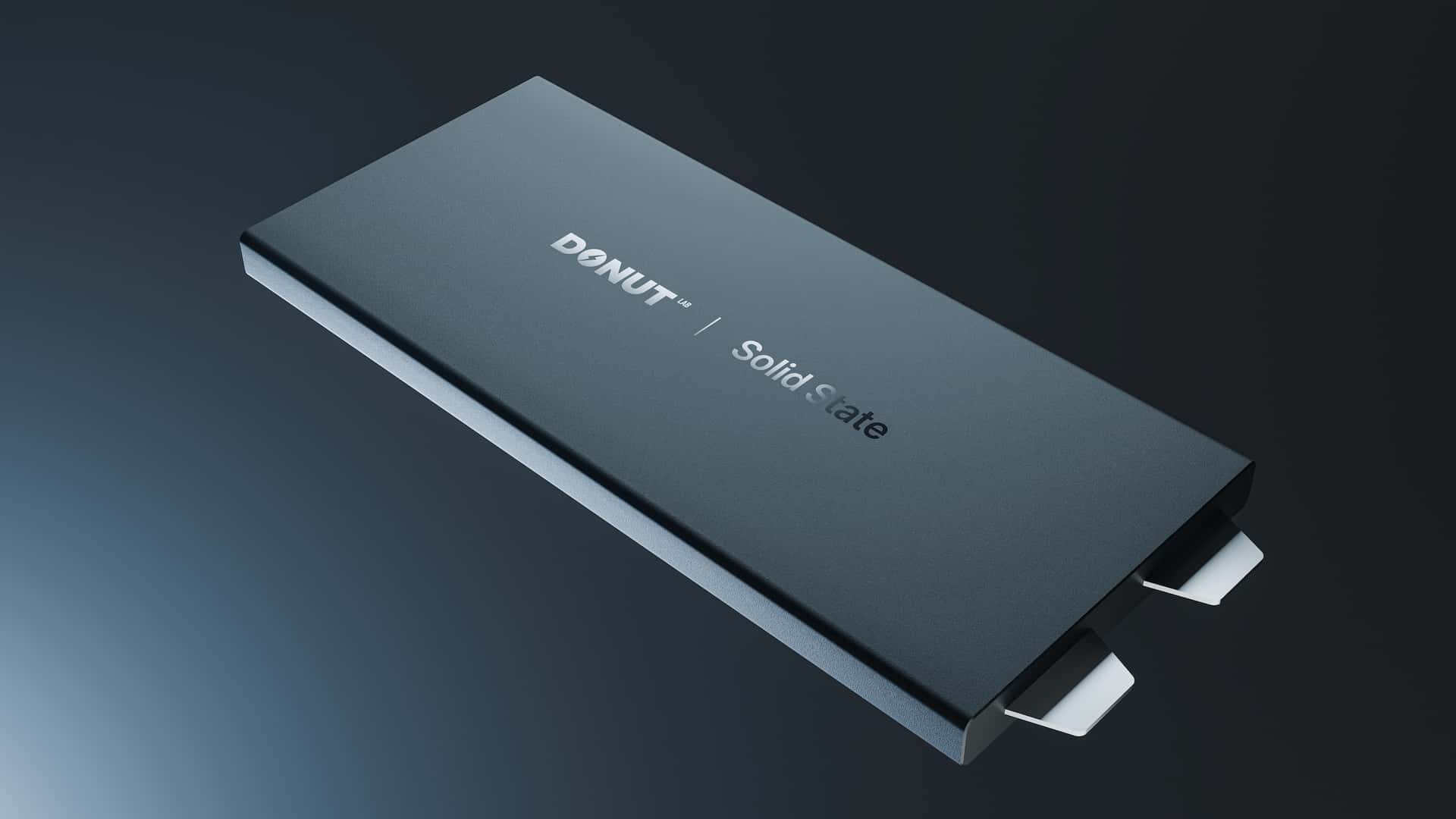
Donut Lab, a Finnish startup, has recently made headlines by releasing test results aimed at validating its claims regarding all-solid-state batteries for electric vehicles (EVs). The company, which presented its innovative technology at CES in January, faced skepticism due to its lack of a proven manufacturing track record. In response, Donut Lab engaged VTT Technical Research Centre to conduct independent tests assessing the charging performance of its solid-state battery cells. While the results demonstrate impressive charging times, experts have pointed out several critical omissions that raise questions about the overall viability of the technology.
One significant gap in the testing details is the absence of information regarding the battery’s underlying chemistry. Shirley Meng, a professor at The University of Chicago, noted that without this information, credibly establishing whether the cells are genuinely solid-state remains challenging. Donut Lab asserts that its battery can charge in just five minutes, endure 100,000 cycles, and deliver an energy density of 400 watt-hours per kilogram, while avoiding thermal runaway.
The VTT tests included a series of seven charging trials using a 94-watt-hour pouch cell, with rates up to 11C. At the 11C charging rate, the cell achieved 80% charge in approximately 4.6 minutes and a full charge in under eight minutes, reaching a peak temperature of 63°C (145°F). These results are noteworthy as they indicate valuable charging potential; however, they do not provide insight into other critical performance metrics, such as the discharge rates over prolonged use.
Battery experts caution that results from a single lab-scale cell cannot be easily extrapolated to full battery packs under real-world conditions. Meng emphasized that even rapid charging performance evidenced in the lab does not ensure comparable experience at scale. Concerns were also raised about the sustainability of rapid charging—specifically, whether cells can maintain minimal degradation over an extensive cycle life.
Interestingly, the VTT tests indicated that the pouch cell performed better at higher temperatures, further complicating comparisons to conventional lithium-ion batteries, which generally operate best within lower temperature ranges. This presents additional challenges regarding the stability and efficiency of traditional battery technology versus Donut Lab’s solid-state alternative.
While Donut Lab has yet to clarify the specifics of its technology, the startup has observed that initial skepticism hindered its efforts to secure funding for manufacturing scalability. In light of this, the company appears to be adopting a more gradual communication strategy, sharing information progressively as further testing continues.
Looking ahead, Donut Lab plans to release additional test results that will hopefully address beyond charging speeds, including details on battery chemistry, energy density, and long-term durability. For now, the test results are promising, but further validation is necessary to substantiate the company’s innovative claims.
The content above is a summary. For more details, see the source article.









