


Key Takeaways
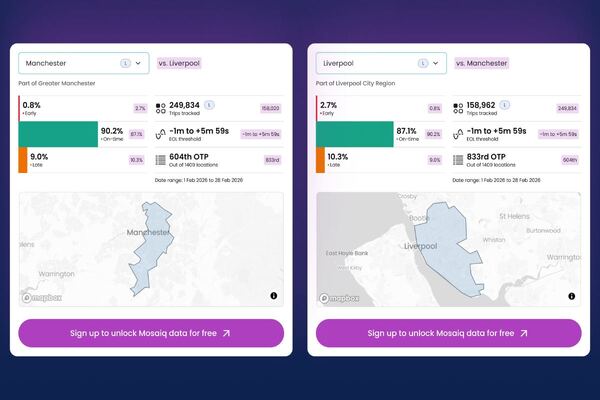
- The Mosaiq Global Public Transit Index aggregates data from over 1,000 locations to evaluate public transport performance.
- This tool offers transport professionals a current and comparable overview of transit networks worldwide.
- Utilizing open data, the index aims to enhance transparency and improve public transportation systems globally.
Introduction to the Index
The Mosaiq Global Public Transit Index is designed for transport professionals seeking a comprehensive assessment of public transportation networks. By utilizing open data from more than 1,000 locations globally, it presents a robust framework for evaluating transit performance.
Purpose and Benefits
This index serves as a vital resource for urban planners, policy makers, and transportation analysts. It offers a current perspective on how different transit systems operate, allowing stakeholders to identify best practices and areas needing improvement. This high level of transparency aims to foster collaboration across cities, encouraging improvements in public transportation services worldwide.
The data derived from the index not only aids in performance evaluation but also serves as a benchmark for cities aiming to refine their own transit systems. By understanding how various networks function, stakeholders can implement strategies that enhance operational efficiencies and user satisfaction.
In addition, the index promotes accountability within transit authorities. It empowers customers by providing clear insights into service quality, which in turn can drive demand for enhanced transit options. As more cities engage with the index, the potential for collective improvement in public transit systems increases significantly.
Overall, the Mosaiq Global Public Transit Index stands out as an essential tool for advancing the quality of public transportation on a global scale. By delivering timely and relevant insights, it paves the way for transformative changes in urban mobility.
The content above is a summary. For more details, see the source article.









