


Key Takeaways
- The number of vacant NYCHA apartments surged nearly 140% from 2022 to 2025.
- A report from the NYC Department of Investigation highlights safety risks linked to these vacancies.
- Challenges in addressing these issues may impact community well-being and housing stability.
Rising Vacancies at NYCHA
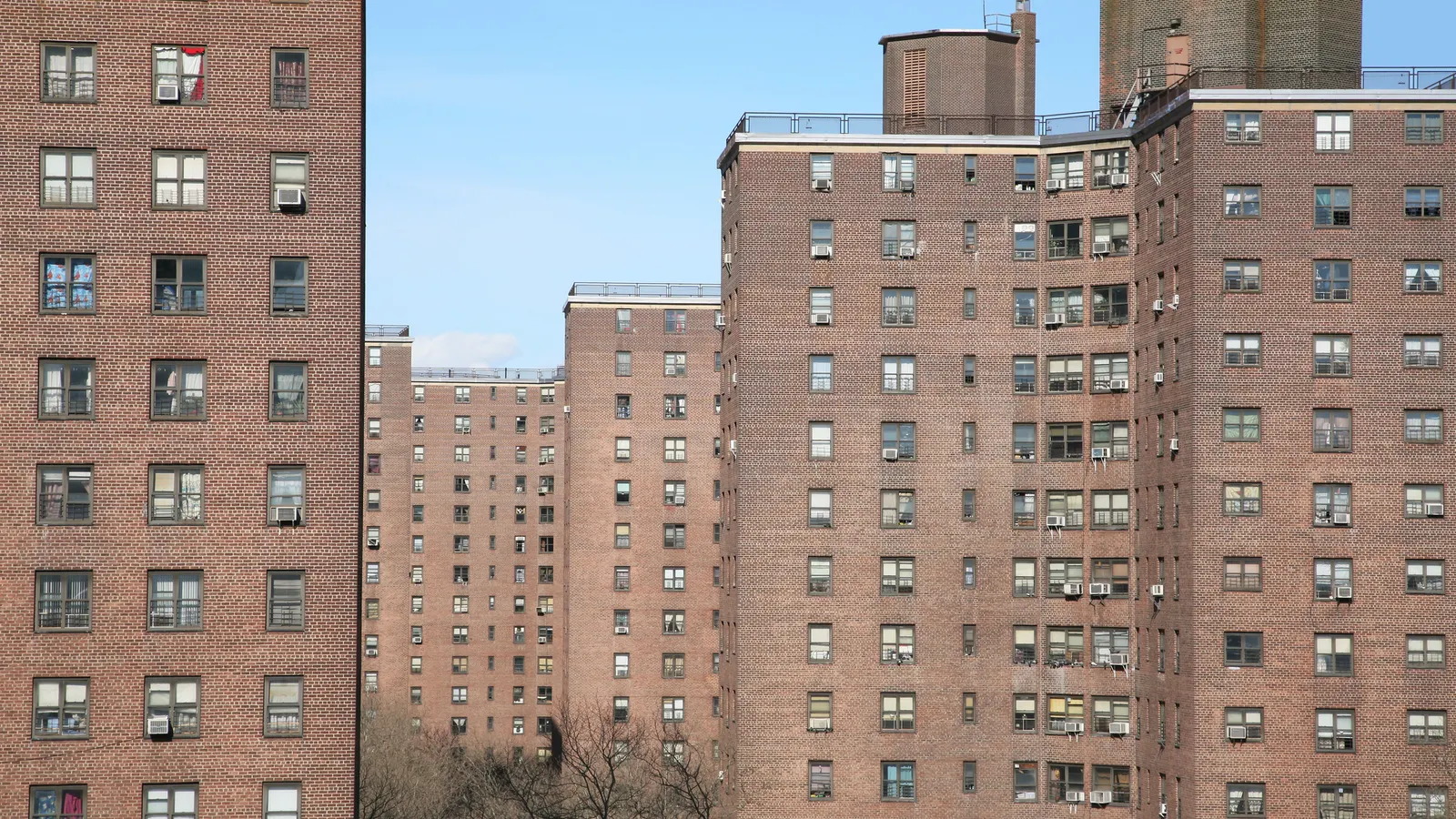
A recent report from the New York City Department of Investigation (DOI) reveals a staggering increase in vacant apartments within the New York City Housing Authority (NYCHA). From 2022 to 2025, the number of uninhabited units has grown nearly 140%, raising alarm over potential safety and security risks in these properties.
The DOI’s investigation pinpointed that the increasing number of vacancies places a strain on the housing system and underscores inadequate resource allocation and management. These vacant apartments not only contribute to the lack of affordable housing options but also create environments susceptible to vandalism and crime, exacerbating safety concerns in surrounding communities.
As the vacancies rise, the report emphasizes the necessity for strategic interventions. The DOI suggests that engaging with community stakeholders and forming a dedicated task force could improve the situation, ensuring that properties are effectively managed and maintained. Additionally, the authority needs to refine its operational strategies to prevent further degradation of these valuable housing resources.
The DOI’s findings align with broader concerns about affordable housing in New York City, highlighting systemic issues that hinder progress. While the organization aims to enhance living conditions for residents, unresolved vacancies remain a significant hurdle. Proper funding, combined with effective policy changes, could lead to better housing solutions, but immediate action is required to tackle the current crisis.
The implications of this report stretch beyond mere numbers; they encompass the welfare of numerous families who depend on NYCHA for stable housing. As the city grapples with the escalating homelessness crisis, the findings serve as a reminder of the pressing need for comprehensive housing strategies.
Maintaining secure, occupied housing is crucial not only for individual families but also for the broader community, as empty units can detract from neighborhood vitality. The DOI’s report aims to initiate a dialogue on how to address these vacancies effectively while prioritizing the well-being of existing residents. As the city seeks solutions, the focus on NYCHA’s vacant apartments must remain central to ensure a future where all residents have access to safe and affordable housing.
The content above is a summary. For more details, see the source article.









