


Key Takeaways
- Andhra Pradesh is piloting AI-powered diagnostic tools in 18 government hospitals to enhance disease detection.
- Innovations include cough-based TB screening, smartphone cataract imaging, and non-invasive anaemia testing.
- The initiative aims to improve healthcare accessibility, reduce diagnosis times, and strengthen primary healthcare services.
AI-Powered Diagnostics in Andhra Pradesh
Andhra Pradesh is implementing a pilot program using AI-driven diagnostic technologies across 18 government hospitals to improve early disease detection at primary care levels. The innovations include cough-based tuberculosis (TB) screening, smartphone cataract imaging, and non-invasive anaemia testing, all aimed at making diagnostics faster and more accessible.
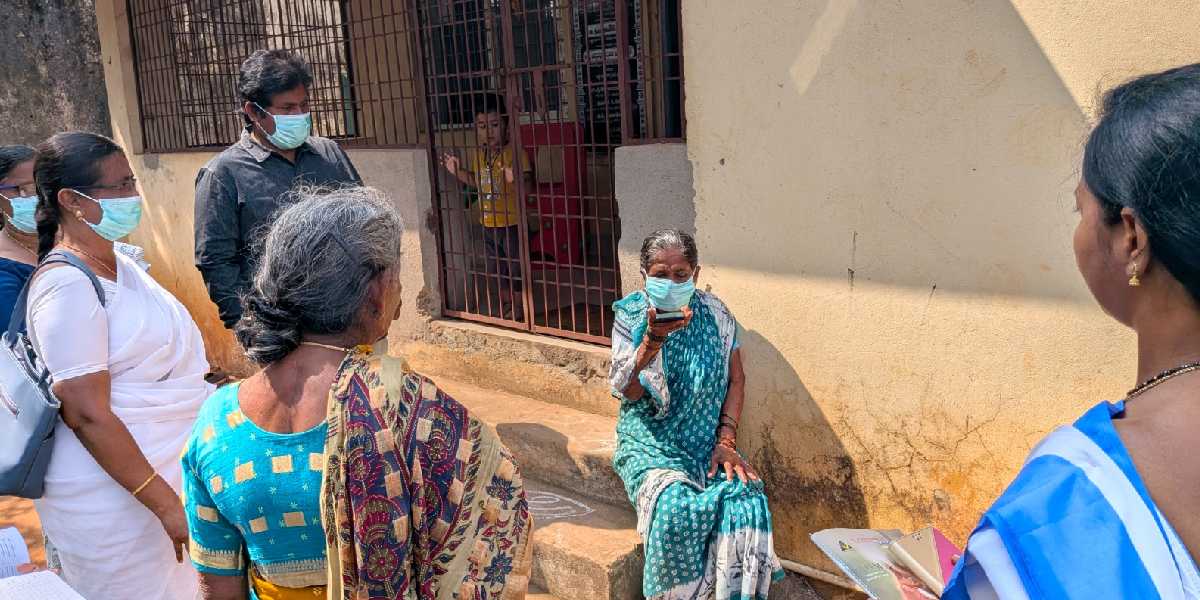
At the Chagallu Primary Health Centre, patients’ cough sounds are analyzed via a mobile application to identify TB patterns. This technology allows frontline health workers to perform rapid screenings without immediate lab tests. Health officials note that current delays in TB diagnosis, especially in rural areas, can be mitigated through quick AI-assisted screenings that facilitate early referrals for further testing.
In addition to TB detection, at Government General Hospital (GGH) in Guntur, doctors are utilizing smartphones to screen for cataracts by capturing eye images, providing early detection even without specialized equipment. Similarly, at GGH Paderu, a non-invasive method is being tested to estimate haemoglobin levels based on images of the eye region.
The pilot is part of a broader initiative to enhance diagnostic capabilities in public healthcare, inspired by responses to the AP MedTech Innovation Challenge, which attracted 297 applications from various innovators. A thorough evaluation process led to the selection of 18 innovations for testing. The initiative is supported by the Ratan Tata Innovation Hub and aims to evaluate the effectiveness of these tools for potential widespread implementation in government hospitals.
Health Minister Satya Kumar Yadav emphasized that the goal is to revolutionize healthcare accessibility through AI solutions. The current pilot tests will soon be assessed, and their outcomes could lead to expanded integration of diagnostic technologies within the public healthcare system. If successful, this initiative has the potential to significantly alter disease detection methods in government facilities, shifting early screenings closer to communities and minimizing reliance on centralized laboratory diagnostics.
The content above is a summary. For more details, see the source article.









