


Key Takeaways
- A study indicates that Google AI outperforms human doctors in detecting breast cancer during NHS screenings.
- The AI detected more invasive cancers and reduced false positives while also expediting scan reading times significantly.
- However, the introduction of AI increased the need for arbitration in cases of diagnostic disagreement between readings.
AI Outperforms Human Radiologists in Breast Cancer Screening
A recent NHS study has revealed that Google’s AI technology significantly enhances breast cancer detection outcomes compared to traditional human assessments. Published in two linked papers in Nature Cancer on March 10, 2026, the research evaluated the efficiency of AI against the dual-reader model commonly employed in the UK, where two radiologists assess mammograms separately.
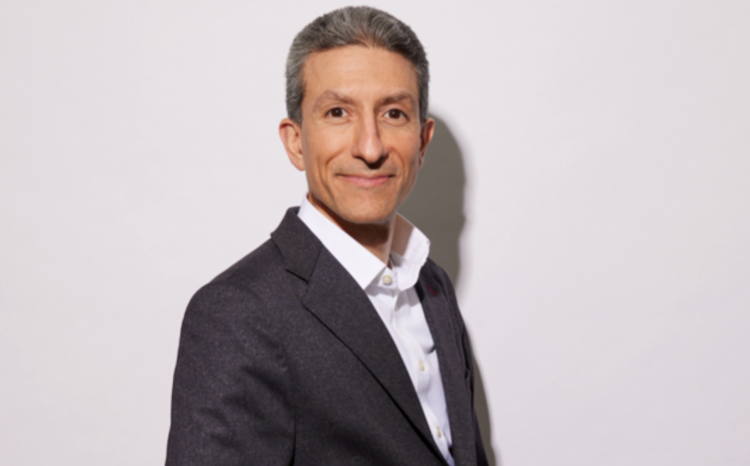
The study analyzed mammograms from 125,000 women, demonstrating that the AI system not only identified a greater number of invasive cancers but also recorded fewer false positives. Crucially, it necessitated fewer recalls for women undergoing their first screening. Dr. Hutan Ashrafian, Chief Medical Officer at Harbinger Health and a contributor to the research, emphasized the transformative potential of AI in reducing breast cancer mortality within the NHS, which struggles with subpar cancer outcomes.
Moreover, the AI was adept at identifying 25% of ‘interval cancers’ that emerge between routine screenings after initial scans appear clear. In a follow-up analysis involving 9,266 current cases across two screening centers in London, it was found that AI significantly reduced the time taken to read scans—averaging 17.7 minutes in comparison to the 2.08 days typically required by the first human reader.
While the integration of AI into breast cancer screening shows promising advantages, it also poses challenges. The final part of the study reviewed scenarios where the first and second readers’ opinions differed, necessitating a third expert for arbitration. Notably, the arbitration requests were higher when AI was involved—an increase of up to 142% in one center and 22% in another. Despite this rise in arbitration, the overall workload decreased with the AI-human collaboration, rendering screening outcomes comparable to those assessed by two human radiologists.
Researchers argue that the evolution of AI tools could pave the way for earlier cancer detection and improved diagnostic processes. The study received backing from the NIHR Imperial Biomedical Research Centre and was funded through the NHS AI in Health and Care Award, in collaboration with the NIHR. Dr. Ashrafian is set to share insights on this transformative research at Digital Health Rewired 2026, scheduled for March 24-25 at the Birmingham NEC.
The content above is a summary. For more details, see the source article.









