


Key Takeaways
- Canopii has introduced robotic greenhouses that utilize automation to enhance indoor farming efficiency.
- The technology aims to reduce labor costs and increase agricultural yield through advanced AI and robotics.
- These greenhouses can adapt to various crops and environmental conditions, promising greater sustainability in food production.
Transforming Indoor Farming
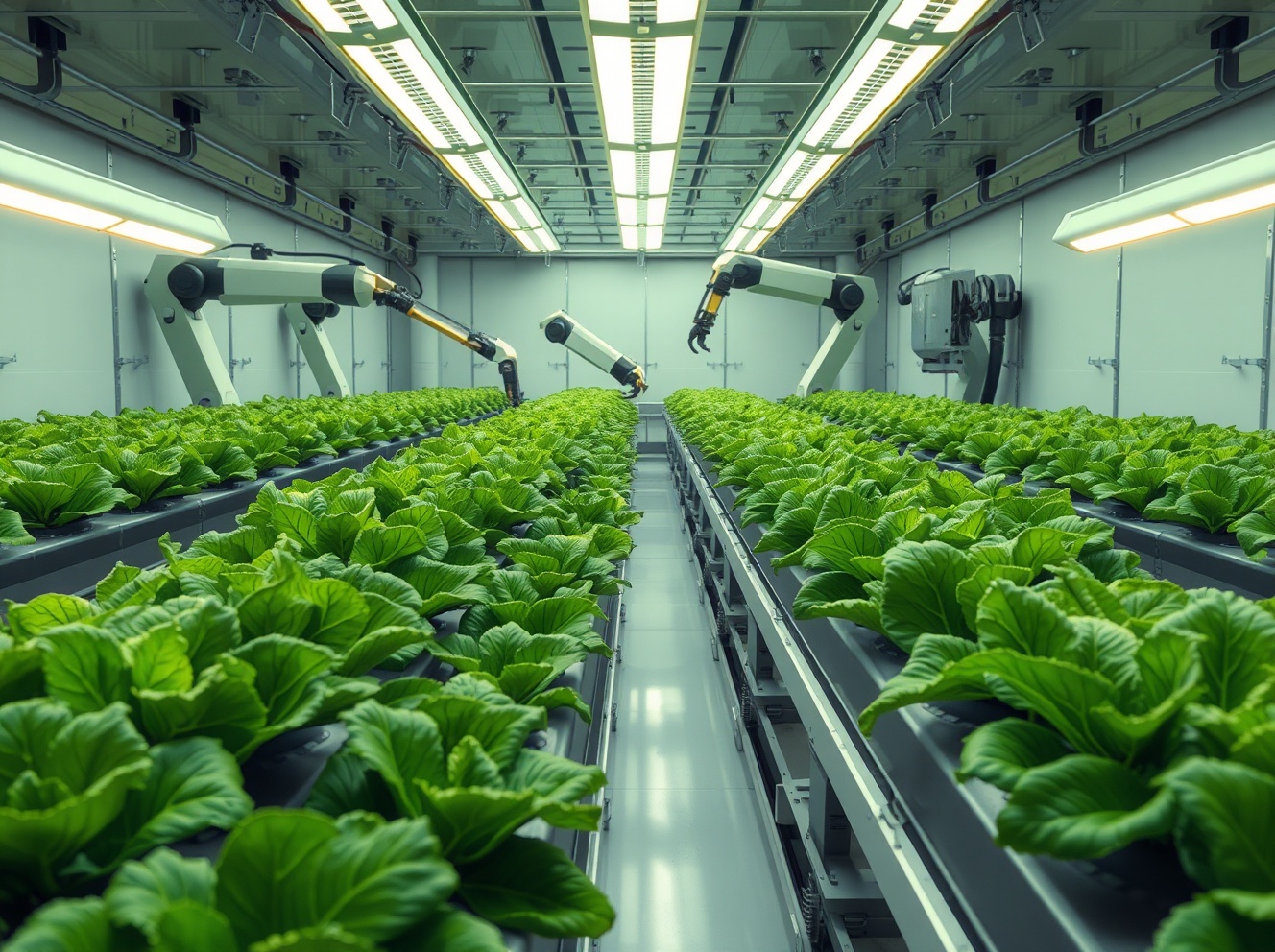
Canopii’s latest innovation in agricultural technology showcases robotic greenhouses that could revolutionize the landscape of indoor farming. Designed to address the increasing demand for efficient food production, these greenhouses leverage advanced automation to streamline operations. By incorporating robotic systems, Canopii aims to minimize labor costs while maximizing crop yields.
The smart greenhouses utilize artificial intelligence to monitor and regulate environmental conditions, such as light, temperature, and humidity. This technological approach allows for real-time adjustments, ensuring optimal growing conditions for various types of crops. As a result, these greenhouses can adapt to shifting demands in the agricultural market while promoting sustainability.
The innovation presents a solution to the ongoing challenges in food production. With a global surge in population and urbanization, the need for sustainable farming practices has never been more critical. Canopii’s robotic greenhouses promise to create a more efficient model for food cultivation that not only addresses current food supply issues but also prioritizes environmental responsibility.
In addition to enhancing productivity, the integration of robotics in greenhouses can reduce the dependency on manual labor, which is often limited and fluctuates seasonally. This automation is expected to attract a new demographic of urban farmers who can operate these advanced systems with minimal technical expertise.
Moreover, Canopii’s robotic greenhouses are designed for scalability, making them suitable for various applications ranging from small urban farms to larger agricultural enterprises. The flexibility of the technology means it can cater to diverse crop varieties and changing market needs, fostering resilience in food systems.
This innovative approach by Canopii could lead to more durable farming practices, less waste, and a significant reduction in the environmental footprint associated with traditional farming methods. By prioritizing automation and efficiency, the company aims to set a new standard in food production that aligns with sustainability goals.
In conclusion, Canopii’s revolutionary robotic greenhouses are poised to transform indoor farming by enhancing efficiency, reducing costs, and promoting sustainable practices. As the agricultural sector continues to embrace technology, these advancements signal a promising future for food production worldwide.
The content above is a summary. For more details, see the source article.









