


Key Takeaways
- The DOJ and VA have signed an agreement allowing the appointment of legal guardians for vulnerable veterans.
- Veterans comprise 5% of the U.S. homeless population, with significant declines in veteran homelessness over recent years.
- The National Homelessness Law Center criticizes the initiative, arguing it infringes on the rights of homeless veterans.
New Initiative for Veterans’ Legal Support
The Department of Veterans Affairs (VA) and the Department of Justice (DOJ) announced a new memorandum on Wednesday aimed at aiding vulnerable veterans, including those at risk of homelessness. This initiative allows DOJ officials to facilitate the appointment of legal guardians or conservators for veterans in need, offering crucial support for individuals lacking family or legal representation in health and recovery scenarios. VA officials emphasize that this assistance can be a “lifeline” for many.
Despite the initiative’s intended support, it has sparked controversy. The National Homelessness Law Center (NHLC) has voiced strong objections, labeling the proposal a “plan to strip homeless veterans of their rights and autonomy.” Critics argue this move may further marginalize veterans living on the streets, asserting that the government is using them as political leverage while failing to address the root causes of homelessness, such as rising housing costs.
Statistics highlight that veterans represent about 5% of the adult homeless population in the U.S. The number of homeless veterans has decreased significantly—by 50% since 2009—partly due to enhanced access to housing and supportive services. However, the total veteran population has also declined, from approximately 21.8 million in 2009 to 15.7 million in 2024, according to census data.
VA Secretary Doug Collins praised the memorandum as a demonstration of the government’s commitment to providing timely care for veterans. This represents a shift in approach under the Trump administration, which has transitioned from longstanding housing-first strategies to treating homelessness as a criminal justice issue. This shift emphasizes the need for treatment and legal support over housing solutions.
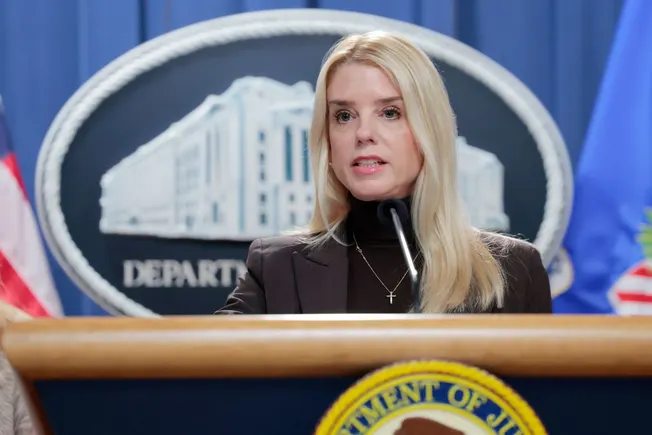
During the fiscal year 2025, the VA reported successfully housing nearly 52,000 homeless veterans permanently. Attorney General Pam Bondi expressed pride in the partnership with the VA, asserting the importance of ensuring veterans have access to legal resources for medical decisions and timely care. She emphasized the debt owed to veterans, underscoring the government’s obligation to provide them with the support they deserve.
As this initiative unfolds, the conflict between legal oversight and individual rights remains a point of contention, highlighting the complexities of addressing homelessness within the veteran community.
The content above is a summary. For more details, see the source article.









