


Key Takeaways
- Senate Majority Leader John Thune is open to linking more farm aid to war funding, though no commitments have been made yet.
- The conflict in Iran is expected to disrupt nitrogen fertilizer supplies until 2026, driving up production costs for farmers.
- Republican lawmakers are urging the return of the Biodiesel Blenders’ Tax Credit amid rising fuel prices due to Middle Eastern tensions.
Senate Discussions on War Funding and Farm Aid
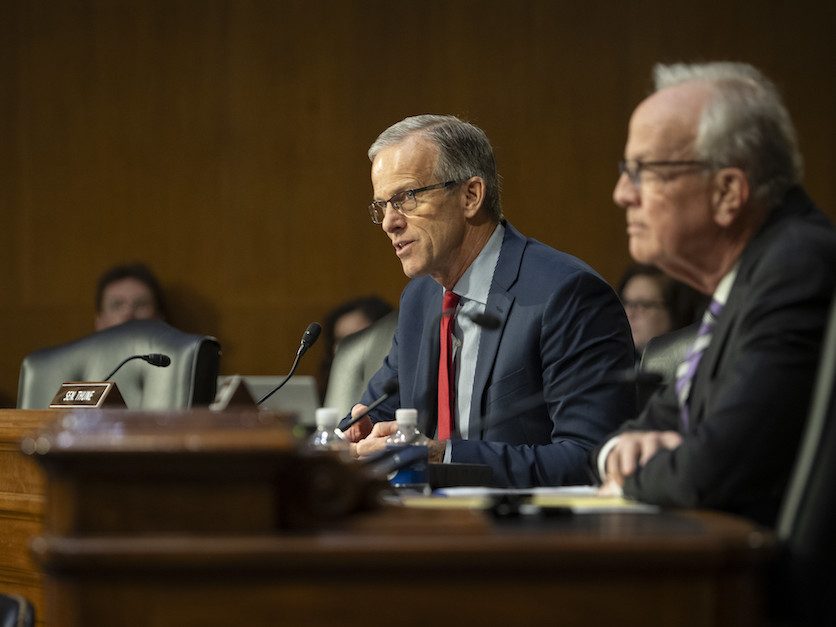
Senate Ag Committee Chair John Boozman reported that Senate Majority Leader John Thune is receptive to incorporating additional farm aid into upcoming war funding legislation. Thune has acknowledged ongoing discussions, but he refrained from making any public commitments as the exact scope of the legislation will depend on proposals from the White House.
The ongoing conflict in Iran has already begun to affect global markets, particularly nitrogen fertilizer supplies, which are expected to remain tight until 2026. Josh Linville from StoneX emphasized that the ripple effects of the conflict have caused significant damage. Even with a sudden end to the war, the recovery of fertilizer production and shipment processes will take time. Current market conditions do not reflect the impending competition for nitrogen, especially as countries like India face disruptions in natural gas supplies, potentially exacerbating price pressures.
Impact of High Production Costs
Farmers are feeling the pinch from rising operational costs, not just in fertilizers but also in fuel. With diesel prices high, production costs could increase by up to $2,000 annually per farmer, with grain elevators facing extra costs of nearly $100,000. Senator Ben Ray Luján has called attention to these issues while urging more GOP governors to advocate against stringent cost-share requirements for the Supplemental Nutrition Assistance Program (SNAP) amidst efforts to finalize a new farm bill. He argued that the combined pressures from tariffs and the Iran conflict are driving prices higher for American producers and consumers alike.
Renewable Fuel Tax Policies
The 45Z tax credit, a key subsidy for biofuel production, is under scrutiny as 22 Republican lawmakers call for ensuring agricultural producers benefit fully from it. The credit aims to bridge regenerative farming practices with biofuel incentives, though concerns persist about its complexity. Concurrently, fuel retailing groups are pushing to reinstate the Biodiesel Blenders’ Tax Credit, which has become particularly urgent as Middle Eastern tensions drive up fuel costs. They argue that the new 45Z model has flaws that hamper demand for renewable fuels derived from corn and soybeans.
EU Trade Relations and Tariff Updates
European officials are seeking clarity on how a new U.S. investigation into unfair trade practices will impact ongoing trade agreements. They insist that any deviations from previously established commitments could result in severe repercussions, including higher tariffs. Customs and Border Protection (CBP) is also in the process of developing an automated tariff refund system, with estimates suggesting that it may begin processing refunds by late April.
Data Center Expansion in Ohio
The rise of data centers in Ohio has sparked discussions about land use in the state. Ohio Farm Bureau Federation President Bill Patterson highlighted the need for transparency amidst this rapid development. With around 200 data centers established across the state, agricultural interests are keen to ensure they are included in conversations about land use changes.
For ongoing updates and more news, visit Agri-Pulse.com.
The content above is a summary. For more details, see the source article.









