


Key Takeaways
- Wearable health devices provide extensive data but often lack actionable insights for users.
- Custom healthcare software can integrate and analyze data from multiple sources, improving health management.
- Future developments will enhance predictive analytics and personalized health coaching via AI technologies.
Integration and Limitations of Wearable Health Technology
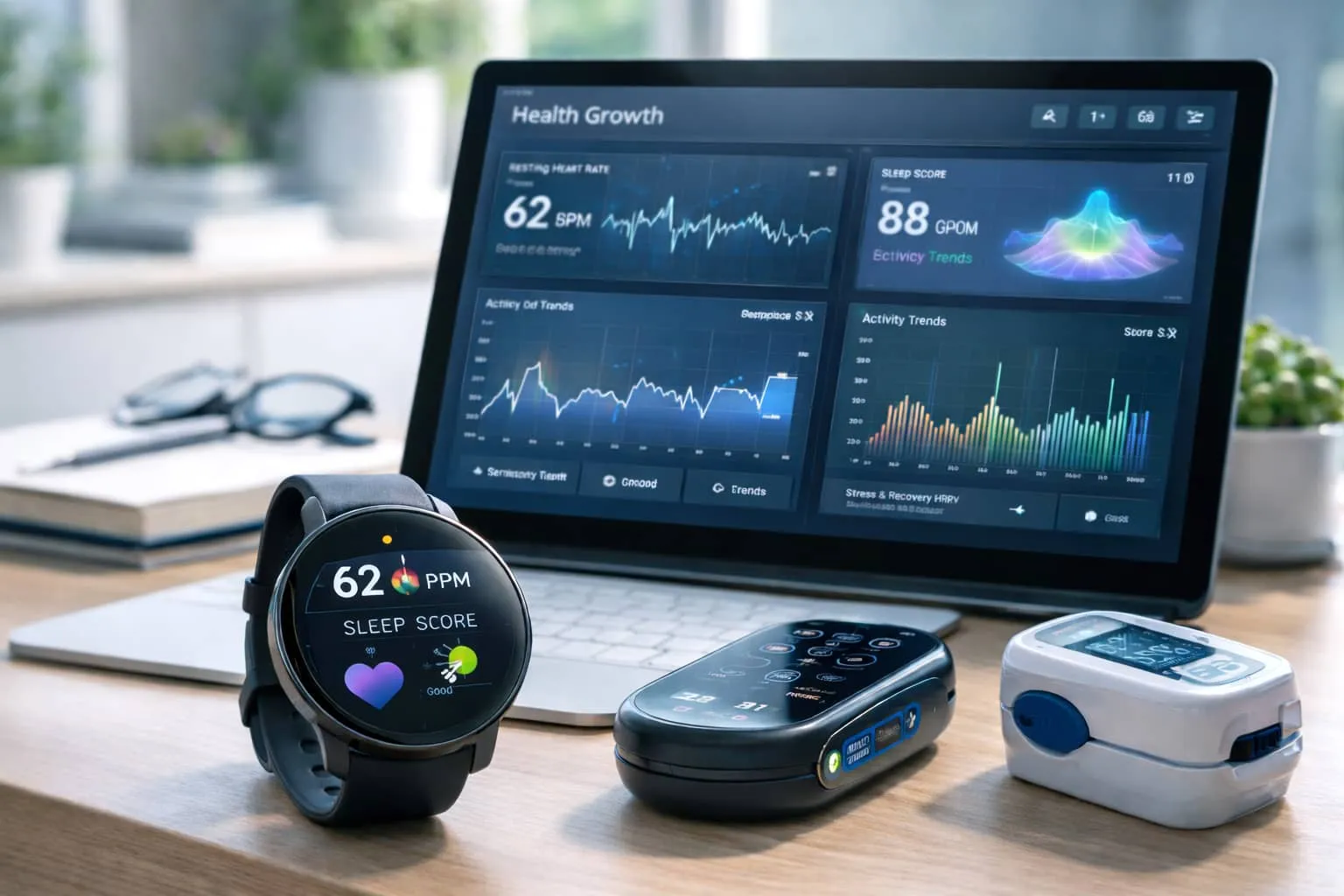
Wearable health devices have become integral to daily life, helping users monitor various health metrics such as sleep quality, heart rates, and blood oxygen levels. Although the wealth of data generated is impressive, the challenge lies in translating that data into meaningful health insights. Most users face overwhelming dashboards filled with numbers that do not effectively inform health decisions.
The primary concern is not with the devices themselves but with the software underpinning them. While early fitness trackers primarily focused on steps and basic activity metrics, current wearables, including smartwatches and continuous glucose monitors, offer advanced functionalities like detecting heart irregularities and real-time metabolic tracking. This evolution has led to an exponential increase in the amount of health data generated per user week, significantly outpacing the tools available for analysis.
Traditional fitness applications improve visibility of health data but often fail to provide contextual understanding. These apps typically present data in isolation, lack integration with healthcare systems, and offer generic recommendations that do not consider individual health profiles. They were designed more for consumer engagement than clinical insights, limiting their effectiveness.
Custom healthcare software is emerging as a solution to bridge this gap. By integrating data from various wearables and applying clinically validated analytical models, these platforms provide tailored insights that enhance understanding of an individual’s health. This integration allows for data to be processed collectively, revealing correlations that standalone metrics cannot, and connecting wearable data with electronic health records for comprehensive analysis.
The practical applications of this software are evident across several health contexts, including early identification of potential health issues, athletic performance optimization, and post-surgery recovery monitoring. For individuals managing chronic conditions, continuous monitoring through custom platforms enables proactive care, with data signaling health trends that could warrant clinical attention.
However, ethical considerations must be addressed, including data privacy, sensor accuracy, and regulatory compliance. The sensitive nature of health data necessitates robust security protocols and user control over personal health information.
Looking forward, trends such as AI-driven predictive models, broader access to continuous metabolic monitoring, and personalized digital health coaching are expected to further revolutionize the field of wearable health. These advancements aim to transform health data into actionable insights, fostering a more individualized approach to health management. As the landscape evolves, the interplay between wearable technology and custom healthcare software will be crucial in harnessing the full potential of continuous biometric monitoring.
The content above is a summary. For more details, see the source article.









