


Key Takeaways
- The conflict in Iran is causing an unprecedented oil shock, with prices potentially soaring to $200 per barrel.
- Trump’s military strategy faces growing scrutiny amid rising consumer anger and geopolitical escalation.
- The ongoing war jeopardizes not only oil supplies but also broader economic stability, emphasizing the need for a shift towards renewable energy sources.
Conflict Overview
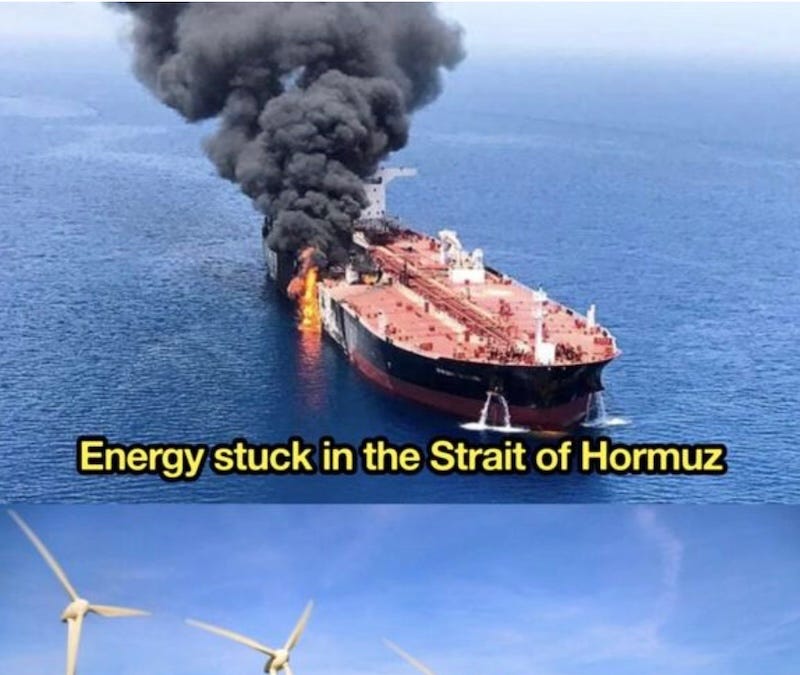
Two weeks into Donald Trump’s military intervention in Iran, the situation is deteriorating rapidly. Initially perceived as a limited operation, the conflict has escalated, with Iran refusing ceasefire discussions and threats to enhance oil prices significantly. Iran’s military spokesperson warned of potential oil prices hitting $200 a barrel, as the nation commenced missile strikes on ships in the Strait of Hormuz, a critical conduit for global oil, through which about 20% of world oil supply travels.
As tensions rise, analysts describe the current scenario as the “worst oil shock” in history. With shipping through the strait dwindling and potential threats from mines and missile attacks, the U.S. plans to deploy warships to safeguard cargo vessels. Consequently, the military engagement is morphing into a complex geopolitical crisis.
Recent U.S. airstrikes targeted Kharg Island, a vital hub for Iranian oil exports, escalating military confrontations. The New York Times highlighted the stark comparison between this crisis and the 1973 OPEC oil embargo, noting that while then, 7% of global oil was impacted, now nearly 20% is at risk without a clear end in sight.
Analysts are concerned Trump underestimated Iran’s resolve, marking a critical miscalculation that has left the U.S. facing political and military repercussions, particularly as midterm elections approach. Trump’s characterization of the ongoing conflict as merely a “little excursion” reveals a troubling dismissal of the serious consequences, compounding public frustration as fuel prices soar.
The ramifications extend beyond immediate military concerns; a prolonged conflict threatens severe economic stability. Rising costs affect countless day-to-day goods reliant on oil, raising alarms about inflation and economic sustainability.
Experts warn of Trump’s limited options: withdrawing with unresolved issues could harm his political standing, while an aggressive military response risks U.S. servicemen’s lives and further destabilization in the region. Trump may attempt to boost oil production to alleviate rising prices, but experts indicate significant structural delays could hinder this.
Moreover, the war exacerbates environmental concerns, with civilian casualties on the rise. Analysts stress the necessity for governments to prioritize climate action amidst this turmoil. The ongoing crisis demonstrates that reliance on fossil fuels could lead to dire consequences, urging a strategic shift towards renewable energy solutions.
In summary, Trump’s military actions have escalated tensions in the Middle East, manifesting as a daunting economic challenge at home, further illustrating the urgent need for a transition to sustainable energy.
The content above is a summary. For more details, see the source article.









