


Key Takeaways
- Skyline Beauty Group has acquired LilyAna Naturals, known for bestsellers on Amazon.
- Skyline aims to leverage its operational expertise to drive significant growth for LilyAna.
- The company plans to expand its portfolio by acquiring two brands annually, focusing on skincare and haircare.
Acquisition Announcement
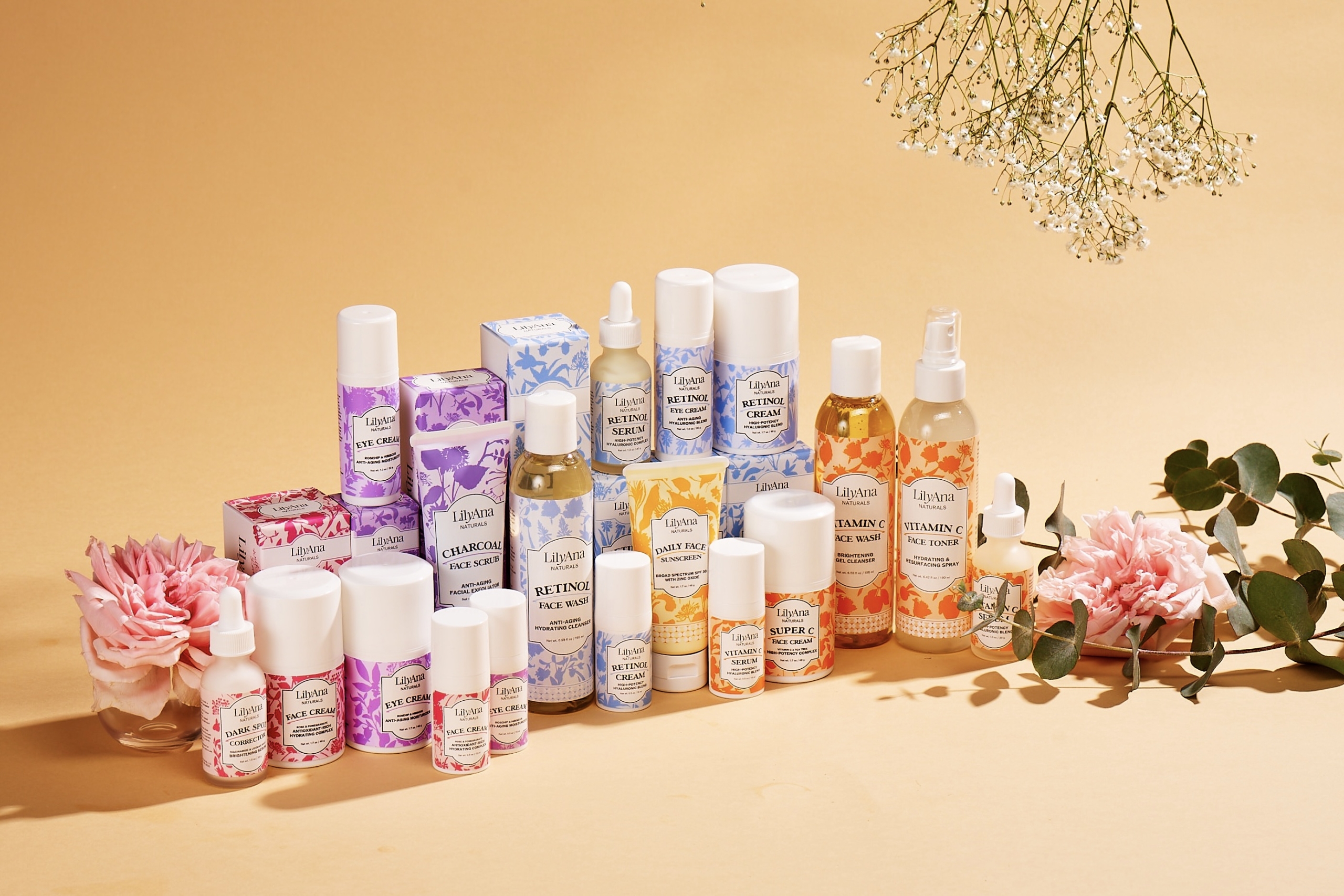
Skyline Beauty Group has purchased LilyAna Naturals, a skincare brand celebrated for its successful products such as Retinol Cream and Eye Cream, primarily sold on Amazon. Although the financial details of the deal were not disclosed, Skyline aims to utilize its back-office infrastructure and operational acumen to bolster the brand’s growth potential.
LilyAna Naturals was previously owned by RDM Partners, which had acquired the brand in 2020 with investments from Enhanced Capital and Stonehenge Capital. Currently, Skyline targets brands that generate between $5 million and $50 million in sales, with acquisition valuations ranging from three to four times EBITDA, as outlined by CEO Joe Indig.
With this latest acquisition, Skyline’s brand portfolio expands to six, which includes men’s skincare brand Anthony and acne-focused brand BioClarity. Indig notes that LilyAna ranks among Skyline’s larger brands in terms of sales volume, positioned between Anthony and Alpha Skin Care.
Future Growth Plans
Skyline plans to execute approximately two acquisitions per year and focuses on skincare and haircare sectors for future growth. The company is prioritizing asset purchases over stock purchases and aims for larger deals than its previous acquisitions, which were primarily financed with internal capital.
Indig emphasizes the importance of acquiring brands with an established following. “We’re not brand flippers. We buy brands for the long term,” he states, indicating a commitment to enhancing brand performance. Since acquisitions may close within 80 days, Skyline can swiftly focus on improving financial outcomes for the brands.
LilyAna’s former CEO, Retta Abraham, praised the acquisition process for its professionalism and speed. Success stories from Skyline’s portfolio indicate that select brands have experienced over 100% growth year-over-year. Often, brands that were unprofitable prior to acquisition become profitable within 12 to 15 months thanks to Skyline’s effective operational strategies.
Strategic Shifts and Market Focus
Skyline prefers to acquire brands with streamlined product assortments and premium pricing, typically priced between $20 and $350. LilyAna, now with around 19 SKUs, has plans to shift beyond its reliance on Amazon to brand-controlled e-commerce channels, aiming for more engaged customer relationships.
An expansion of international e-commerce efforts is also underway, leveraging a logistics network to facilitate faster shipping and broader market reach, particularly in Europe.
While LilyAna had previously ventured into traditional retail through CVS and Target, it has since withdrawn, a move Indig attributes to pricing misalignments. However, retail remains on the horizon, with potential partnerships with upmarket retailers like Ulta Beauty, Nordstrom, and Sephora in consideration.
Skyline employs about 85 staff members and has retained part of LilyAna’s original team, which numbered around 10 to 12. The acquisition also brings LilyAna’s manufacturing capabilities under Skyline’s control, supporting production across its various brands.
Skyline’s strategy aligns with a growing trend among beauty brand holding companies aimed at accelerating growth for underperforming brands. Indig views this as an opportunity to enhance the prospects of strong brands that have faced challenges in unlocking their full potential.
“Some brands started in COVID, and they’ve died already… but there are strong brands with good products that are trusted and have a good position that can’t unlock new sales,” Indig explains. This insight underlines Skyline’s intent to reinforce and elevate the performance of its brands through strategic management and operational efficiency.
The content above is a summary. For more details, see the source article.









