


Key Takeaways
- A dozen municipalities are joining states to challenge the EPA’s repeal of a key climate regulation.
- Denver’s mayor emphasized that the rescission places the burden of climate issues on cities.
- The coalition aims to address the increasing challenges of extreme weather and air quality deterioration.
Challenge to EPA’s Climate Rule Repeal
A coalition of twelve cities and counties has banded together with several states to contest the Environmental Protection Agency’s (EPA) recent decision to rescind a significant climate regulation. This rule was designed to combat climate change and provides various protections against the adverse effects of global warming.
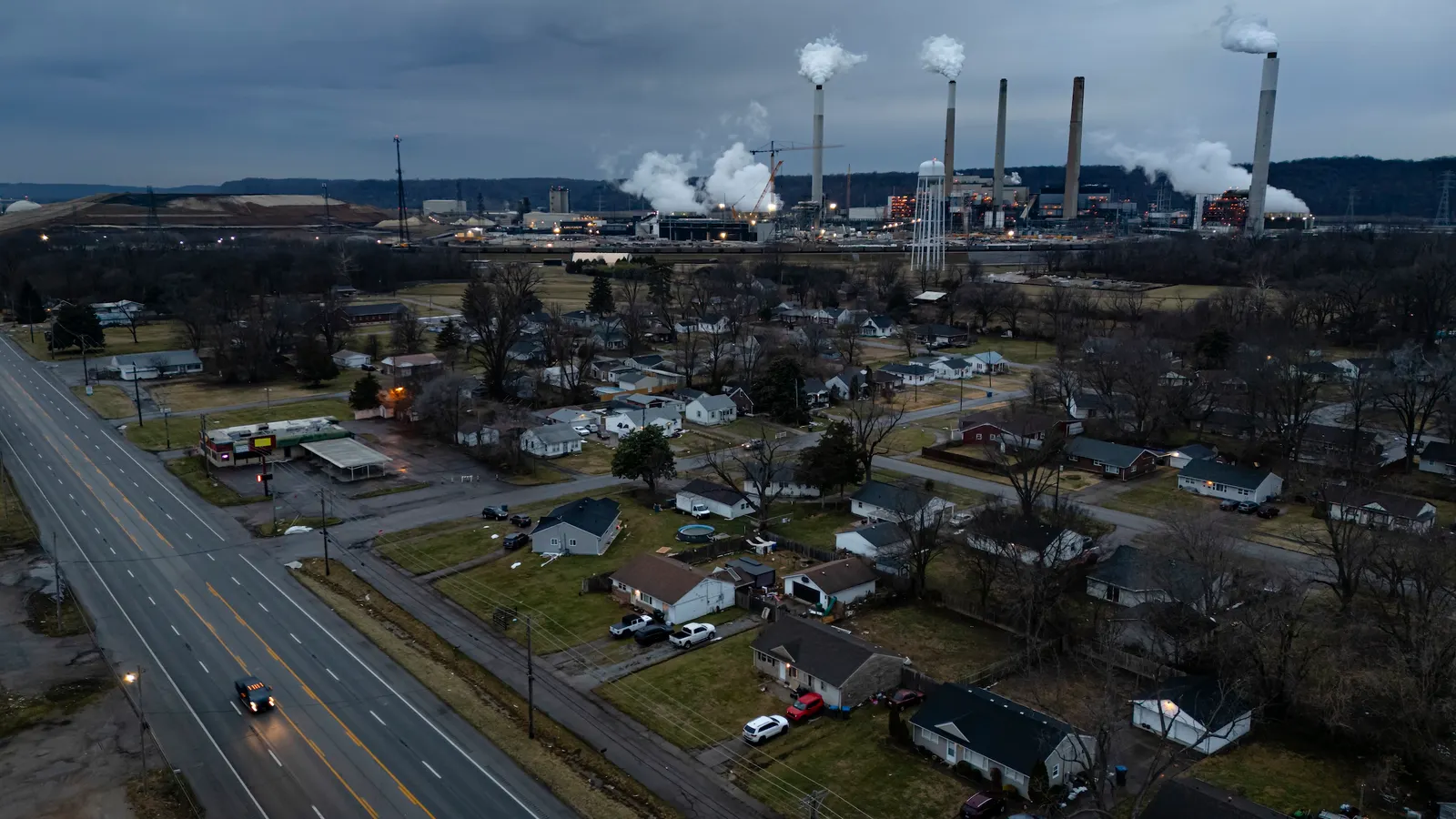
The mayors and officials from the affected areas are raising alarms about the potential fallout from this decision, particularly regarding the financial and environmental implications for urban communities. Denver’s mayor highlighted that cities are now left to manage the effects of rising temperatures, deteriorating air quality, and increasingly frequent extreme weather events without the support of federal guidelines that were previously in place.
Urban centers are often at the forefront of climate change impacts. As temperatures rise, cities face hotter summers that can lead to health emergencies, especially for vulnerable populations. Furthermore, poorer air quality due to reduced regulations contributes to an increase in respiratory illnesses and other health concerns. With the rescission of the climate rule, local governments may find themselves shouldering the financial strains of mitigating these issues.
The coalition argues that localized efforts to combat climate change are not a substitute for federal actions, and they are urging the courts to reinstate the repealed regulation. By coming together, these cities and counties hope to send a stark message about the necessity of federal support in tackling climate change.
Experts point out that without protective regulations, the state of the environment is likely to worsen, further burdening localities in the absence of adequate resources or frameworks for action. This legal challenge is seen as a pivotal moment that could set the stage for the future of climate policy in the United States, potentially restoring foundational guidelines that encourage cleaner air and a sustainable environment.
The broader implications of this lawsuit extend beyond immediate environmental concerns; it also calls into question the responsibilities and roles of federal, state, and local governments in climate action. As the impacts of climate change continue to escalate, the response from these municipalities may inspire other regions to join similar efforts to seek justice and accountability on this pressing issue.
In conclusion, this new coalition represents a critical pushback against the EPA’s rollback of climate regulations, with local leaders advocating fiercely for the reinstatement of guidelines necessary to protect their communities. As climate challenges intensify, the outcome of this legal battle may shape future environmental policies and demonstrate the importance of a united front against climate threats.
The content above is a summary. For more details, see the source article.









