


Key Takeaways
- Trade groups for U.S. and global automakers are urging the government to maintain import restrictions on Chinese vehicles.
- Concerns center on national security risks associated with Chinese automotive technology and competition.
- The lobbying effort is aimed at protecting U.S. jobs and the domestic auto industry from potential threats.
Trade Groups Sound Alarm Over Chinese Vehicles
Trade groups representing U.S., Japanese, and global automakers have amplified their efforts to persuade the Trump administration to uphold existing import restrictions on China’s auto industry. The primary concern revolves around potential threats to national security and the impact that increased Chinese vehicle imports could have on American jobs and the domestic automotive sector.
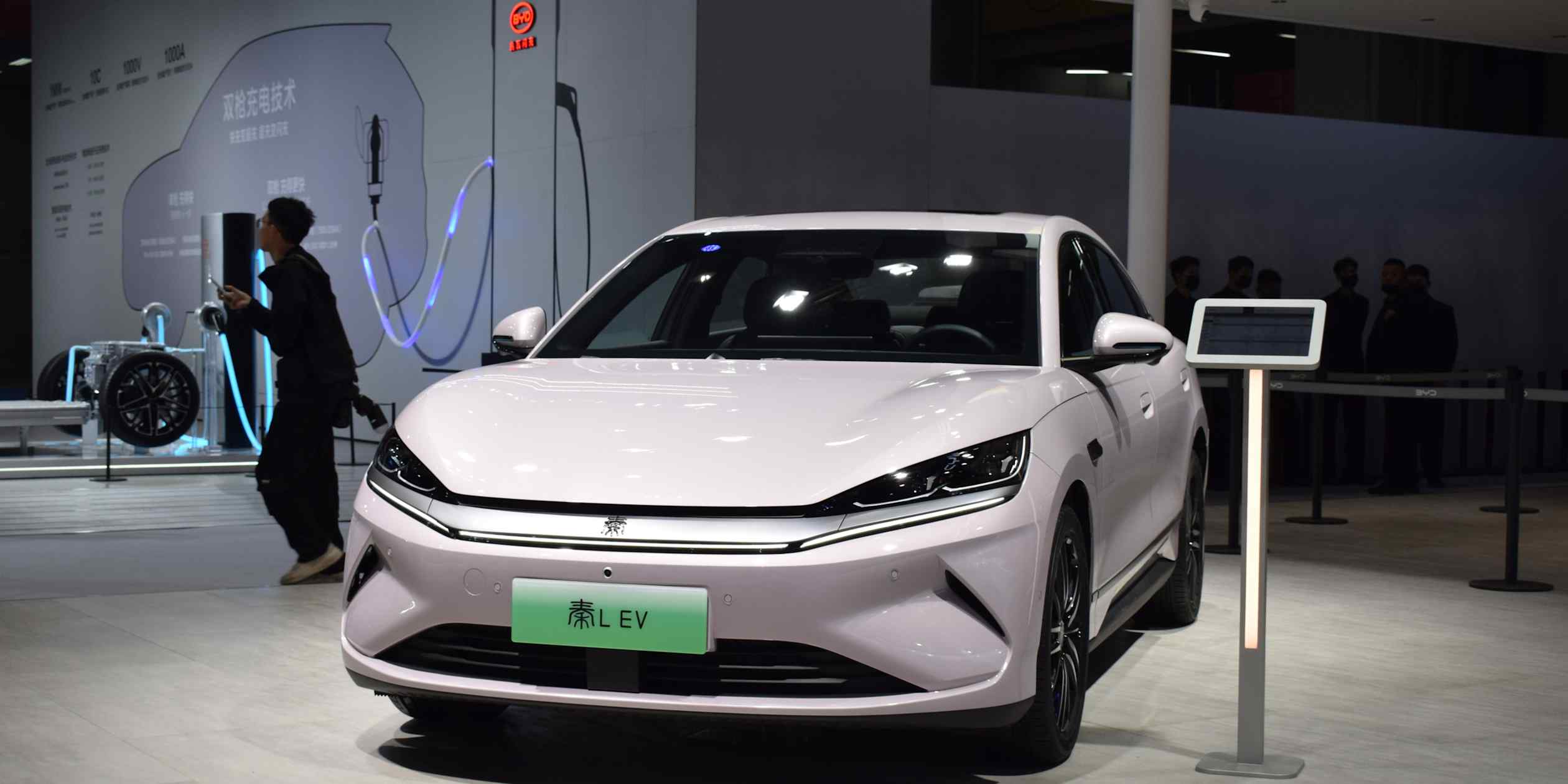
As electric vehicle (EV) technology advances, the stakes have grown higher. Industry insiders warn that Chinese automakers, backed by governmental support, could flood the U.S. market with electric vehicles, undermining local production and innovation. These groups argue that without protectionist measures, American automakers would struggle to compete against heavily subsidized Chinese manufacturers.
The lobbying efforts are bolstered by growing apprehensions around the technological capabilities and practices of Chinese companies. The U.S. government has been cautious about various sectors, viewing technologies developed under certain regimes as not just industrial competition but also as potential channels for espionage and compromising national security.
In response to these concerns, the automotive trade associations have presented their case to policymakers, providing data and analysis that illustrate the risks of allowing greater Chinese access to the U.S. car market. They emphasize that while competition is essential for innovation, a level playing field is critical for preventing monopolistic practices and safeguarding strategic industries.
These groups have historically supported fair trade practices and have advocated for international cooperation in automotive regulations. However, the unique circumstances surrounding Chinese automakers have prompted a unified call for protective measures to avoid exacerbating economic instabilities in the U.S.
The implications of success in this lobbying endeavor are multifaceted. By maintaining import restrictions, America could potentially help preserve jobs and ensure the viability of domestic manufacturers as they transition to electric vehicles. As the landscape of the automotive industry transforms, American automakers are aiming to position themselves favorably for a competitive future.
This push from trade groups highlights the delicate balance of fostering innovation while protecting vital national interests. The outcome of these lobbying efforts will likely influence the future policy landscape concerning automotive imports and the global competitiveness of U.S. manufacturers.
The content above is a summary. For more details, see the source article.









