


Key Takeaways
- Smart agricultural technology, including autonomous transplanters and advanced drones, is transforming farming practices in Huizhou, China.
- This season, Huizhou aims to cultivate approximately 99,100 hectares, with over 20% of the planting completed by mid-March.
- Farmers now rely on high-tech machinery for precision sowing and efficient management, marking a shift from traditional practices.
Modern Farming Techniques in Huizhou
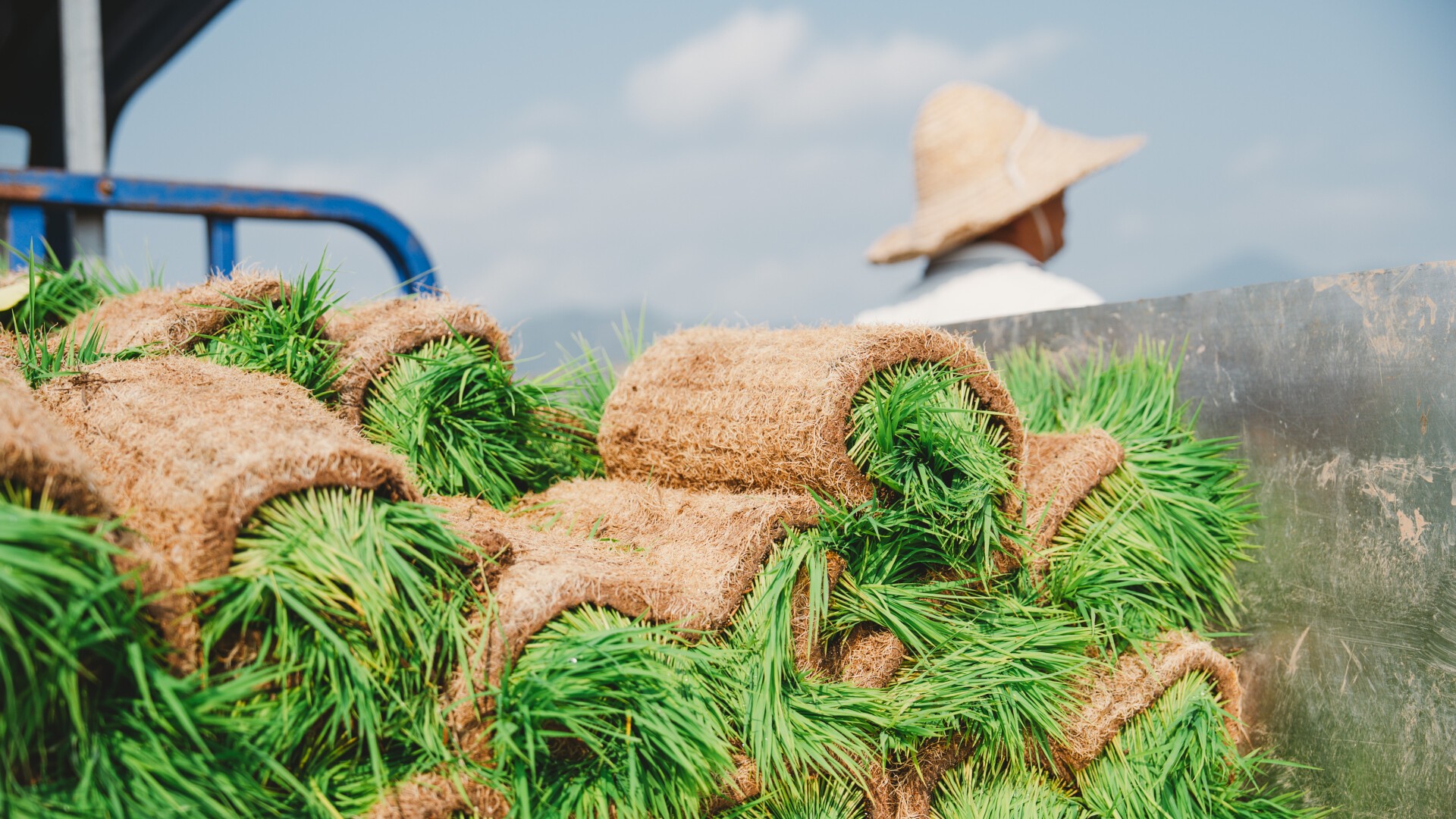
In late March, Huizhou, located in Guangdong Province, China, begins its rice planting season amid rising temperatures. Instead of traditional farming, young people observe as autonomous machines transform the fields. A transplanter moves seamlessly through the rows, demonstrating the benefits of high-tech partnerships in agriculture.
The upgraded traditional transplanter can now operate autonomously with the aid of a smart steering wheel and a high-precision positioning system. Within 30 minutes of modifications, these machines become ready to work without a driver, relying on the BeiDou satellite network for centimeter-level accuracy. Farmers oversee these advancements, only intervening at the end of rows to fill in any gaps in seedling placement.
Drones are also undergoing significant changes. Beyond their original purpose of pesticide spraying, modern agricultural drones can now sow seeds, apply fertilizers, and transport seedlings. The latest models are equipped with improved batteries and flight controls, allowing them to carry loads of up to 150 kilograms per trip while enhancing efficiency and reducing downtime.
For the spring of 2026, Huizhou has set a goal to cultivate approximately 1.4866 million mu (about 99,100 hectares). By March 17, over 20% of the planting was completed, signaling a shift toward high-tech farming methods. Rice transplanting is expected to be completed by early April.
Overall, advances in agricultural technology are redefining traditional practices, highlighting a new era in farming. The old proverb “spring farming depends on the water buffalo” is now being replaced with an emphasis on the importance of smart machinery. As farmers adapt to these technologies, they are poised to achieve greater efficiency and productivity in their operations.
The content above is a summary. For more details, see the source article.









