


Key Takeaways
- India, with 18% of the global population, has access to only 4% of the world’s freshwater resources, primarily used for agriculture.
- Climate change and rising food demands are intensifying pressure on the country’s limited water supplies, necessitating innovative management strategies.
- Involving women in water governance is crucial for effective irrigation, enhancing sustainability and efficiency in agricultural practices.
India’s Water Crisis and the Path Forward
India faces a significant challenge in managing its scarce water resources, despite being home to nearly 18% of the global population and having access to only about 4% of freshwater. About 80% of these withdrawals are consumed by agriculture, underscoring the critical role of irrigation in supporting food production and rural livelihoods. However, climate change, expanding food demand, and population growth are increasing strain on these limited resources. This highlights the urgent need for efficient water management and innovative infrastructure to secure agriculture’s future and ensure long-term food security.
Farmers across India are grappling with erratic monsoons, prolonged droughts, and more frequent extreme weather events. As the world’s largest user of groundwater, India extracts around 241.34 billion cubic meters annually from a total assessed resource of 407.21 billion cubic meters. While groundwater has historically bolstered agricultural productivity, unchecked extraction is jeopardizing long-term water security in many regions.
To combat these challenges, the Food and Agriculture Organization (FAO) is supporting the Indian government in creating a water-smart agricultural landscape. This initiative focuses on enhancing water tenure, participatory irrigation management, digital decision support, and climate resilience. The Ministry of Jal Shakti is modernizing irrigation systems by implementing IoT-enabled pressure-piped systems aimed at improving water efficiency.
In addition to structural investments, non-structural components such as participatory irrigation management and climate-resilient practices are being promoted. Strengthening local institutions overseeing irrigation governance ensures fair water distribution and enhances system performance. FAO collaborates with local Water User Associations (WUAs) to empower farmers in managing their irrigation needs while gaining better access to resources and markets.
The modernization of irrigation practices involves the use of digital platforms like WaPOR, CROPWAT, and AquaCrop-OS, which utilize remote sensing for real-time monitoring and improved water-use efficiency. IoT sensors are also deployed in pilot initiatives, facilitating precise crop irrigation based on real-time data related to soil moisture and water demands.
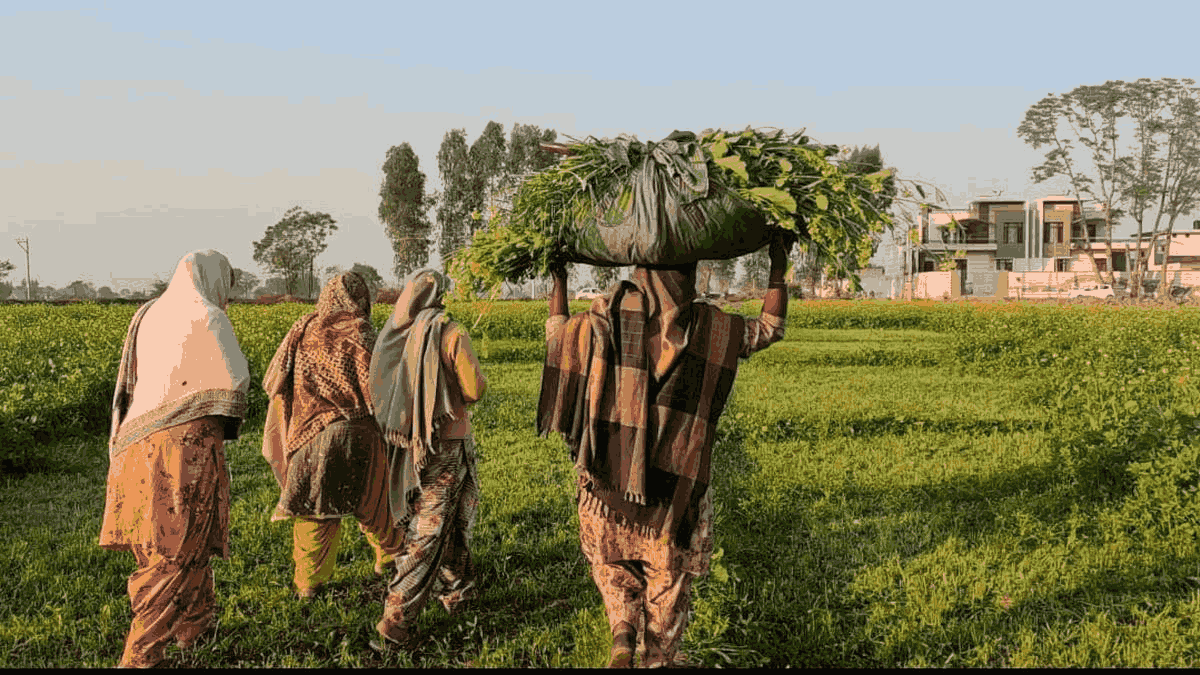
Women’s roles in agriculture and water management are significant yet often marginalized in governance frameworks. A gender-responsive approach in water governance is essential; women’s participation can lead to more equitable and sustainable irrigation systems. Promoting their leadership and ensuring their voices are included in decision-making processes is crucial for strengthening community resilience.
India’s journey towards water security necessitates a blend of innovation and inclusion. To effectively navigate the water crisis, the focus should not only be on modern technology but also on empowering women as equal partners in irrigation management. As the global community observes World Water Day, these steps are imperative for securing the future of agriculture in India.
The content above is a summary. For more details, see the source article.









