


Key Takeaways
- A bill in Illinois proposes making solar energy accessible for renters and those in apartments through plug-in solar panels.
- The legislation eliminates barriers such as interconnection agreements and allows for easier installation without landlord restrictions.
- Plug-in solar systems are designed for personal use, with output limits set to ensure safety and efficiency.
New Opportunities for Solar Power in Illinois
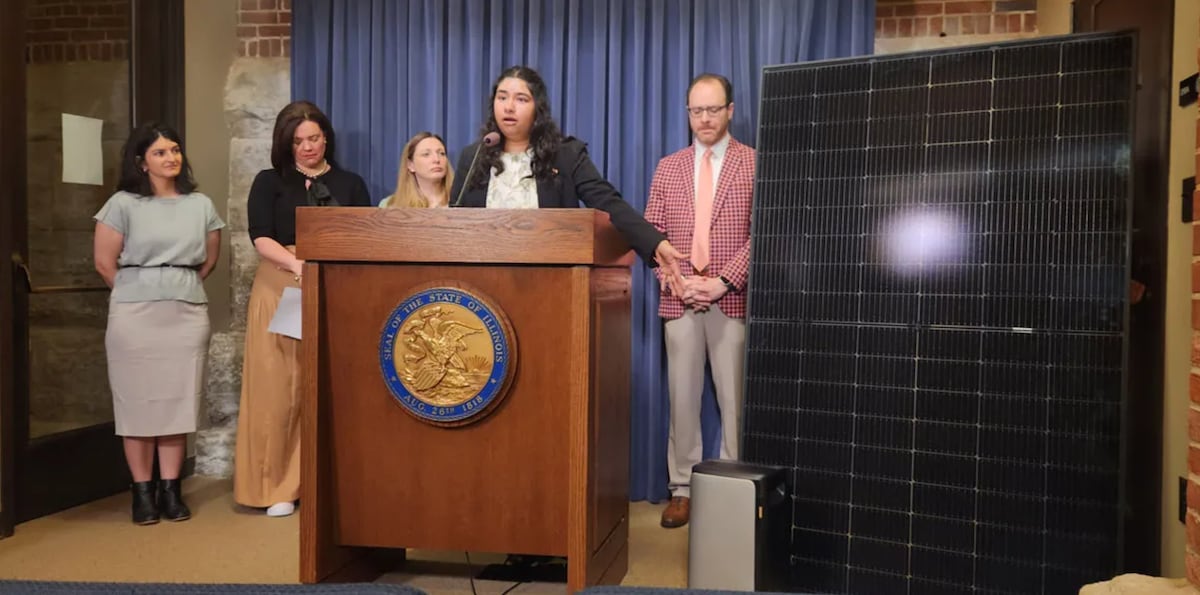
A new bill in Illinois aims to increase access to solar power for renters and those facing challenges with traditional solar energy installations. The proposed “plug-in solar” bill permits the use of small solar panel systems that plug directly into standard wall outlets, making solar energy more attainable for those unable to install rooftop systems.
Lead sponsor Sen. Rachel Ventura, D-Joliet, emphasized that these small, affordable solar panels can be set up on balconies, yards, or patios without the need for expensive installation or extensive permissions. Current laws require interconnection agreements for such systems, but this legislation seeks to eliminate that obstacle, allowing users more freedom to install solar power without lengthy approval processes.
Rep. Daniel Didech, D-Buffalo Grove, the bill’s House sponsor, pointed out that the changes will not only make solar energy more available but also more financially accessible. The legislation prohibits landlords and homeowners’ associations from banning or unreasonably restricting plug-in solar systems. Instead, users simply need to notify their electricity provider within 30 days of installation, with providers required to create straightforward online notification forms.
Sen. Ventura noted that the outdated regulations have posed barriers for many residents, and the new bill aims to cut through this red tape, fostering faster and cheaper access to solar power.
The legislation defines plug-in solar systems as those intended for energy consumption reduction, typically generating between 300-400 watts. However, it allows systems up to 1,200 watts, subject to additional regulations for higher outputs. The bill mandates that these systems be connected through existing electrical outlets and be located in private spaces. They may also include batteries for storing excess energy.
Kavi Chintam, Illinois campaign manager for Vote Solar, highlighted the importance of balancing safety with modernized rules, which have mainly been designed for larger rooftop systems.
While Illinois is taking this significant step, Utah remains the only other state to enact similar plug-in solar laws, though multiple states, including Pennsylvania, Minnesota, and New York, are considering similar initiatives. The bill successfully passed the Senate Energy and Public Utilities Committee and now awaits amendments to address concerns from utilities and labor unions.
This legislative effort signals a commitment to expanding renewable energy access and reducing the barriers faced by everyday citizens.
The content above is a summary. For more details, see the source article.









