


Key Takeaways
- Emerging brands face operational challenges when transitioning from direct-to-consumer to national retail distribution.
- Effective forecasting and compliance management are essential for success in retail environments.
- Continuous investment in manufacturing capabilities is crucial to support rapid growth and innovation in product development.
Navigating Retail for Emerging Beauty Brands
For many emerging beauty brands, securing a national retail account is a pivotal milestone, representing the culmination of extensive product development and community engagement. However, entering retail often marks the start of a complex operational journey rather than a conclusion. Brands transitioning from direct-to-consumer (DTC) models must adapt to demands such as tighter timelines, regulatory compliance, intricate forecasting, and increased production volumes.
The pressure of lead time is a significant concern for brands after receiving a purchase order. Typically, brands have six to nine months from order to launch, but the numerous operational milestones that need to be met within this period can shrink this timeline considerably. Julie Ann Lemke, chief revenue officer at SV Labs, notes that brands quickly realize they need to accelerate their preparations.
Once a retail partnership is confirmed, detailed timelines are established to manage everything from production and packaging to delivery schedules. Effective forecasting becomes increasingly important, as retail partnerships usually require earlier commitments to raw materials and packaging, even when demand is uncertain. According to SV Labs’ supply chain experts, ingredient commitments may need to be secured eight to 12 weeks ahead, while retailers generally forecast only six to eight weeks in advance.
Emerging brands must also navigate complex compliance and vendor guidelines related to packaging, labeling, and shipping. Small errors can trigger costly penalties, highlighting the importance of precise operational execution. Fara Pejman, SV Labs’ SVP of supply chain, emphasizes that chargebacks and expedited freight can negatively impact profit margins, often unnoticed until it’s too late.
Retail expansion poses fundamental challenges regarding whether a brand’s manufacturing infrastructure can scale effectively. Increased production volumes associated with national accounts demand consistency in formulations and quality. Graham Orriss, CEO of SV Labs, explains that being prepared for growth requires a mindset combined with the physical capability to adapt.
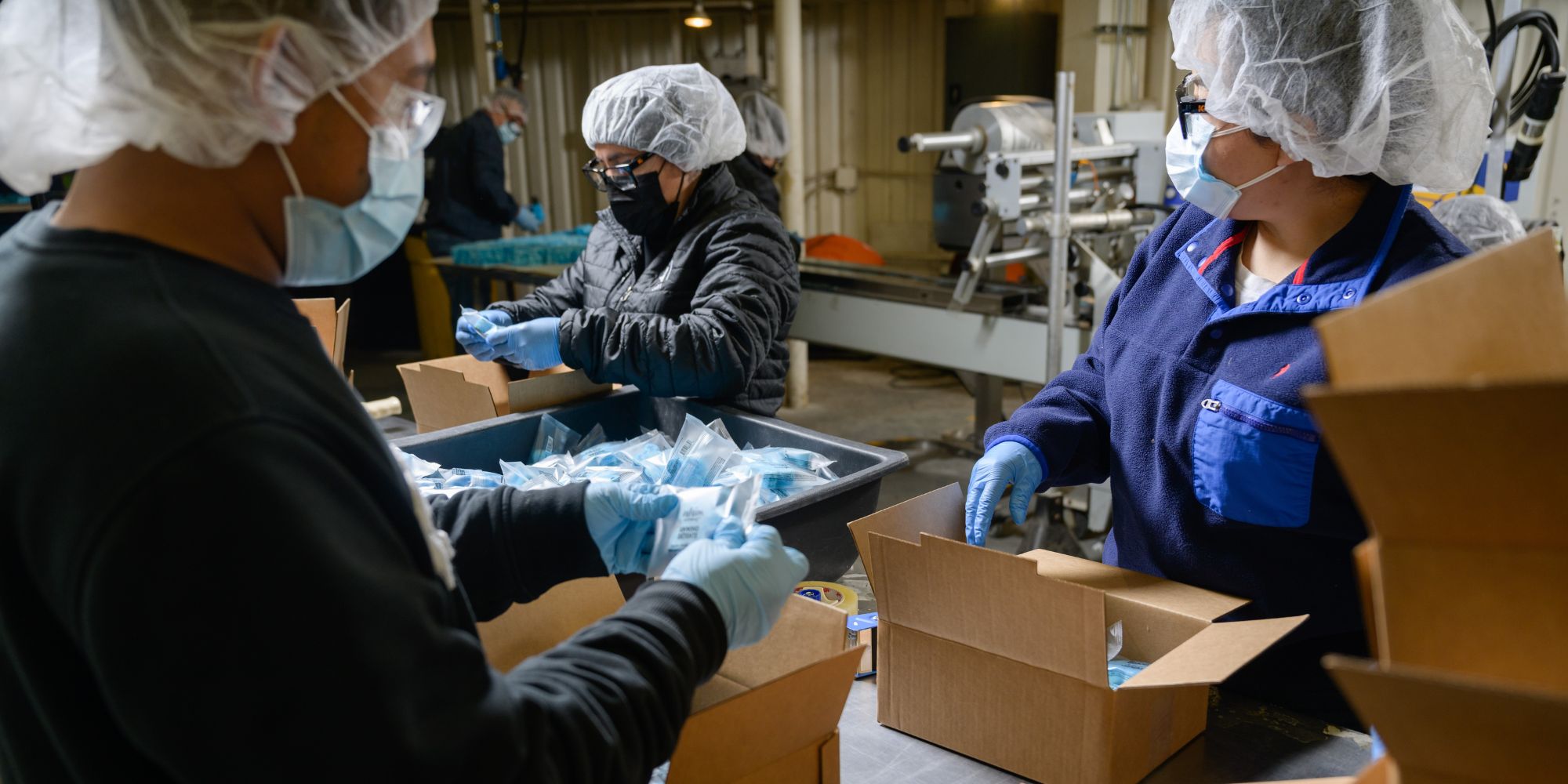
SV Labs operates four integrated manufacturing facilities that allow for flexible production to meet evolving demand. The company emphasizes robust business continuity plans aimed at anticipating partner needs, which has become increasingly vital given geopolitical and supply chain uncertainties.
As retailers seek ongoing innovation, brands face pressure to move swiftly from concept to commercialization while ensuring compliance with regulations concerning product claims. Coordination among formulation, regulatory, and supply chain teams is essential to address potential sourcing and compliance issues early in the development process.
SV Labs supports brands through its Launch Lab platform, which integrates formulation, testing, and production capabilities, allowing for product launches in as little as 12 weeks. This streamlined approach reduces delays that commonly arise when development and manufacturing operate separately.
Ultimately, success in retail is not solely about getting products onto shelves; it necessitates a strong operational foundation to maintain that presence.
The content above is a summary. For more details, see the source article.









