Key Takeaways
- Artemis II will launch tonight from NASA’s Kennedy Space Center, marking humanity’s return beyond low-Earth orbit since 1972.
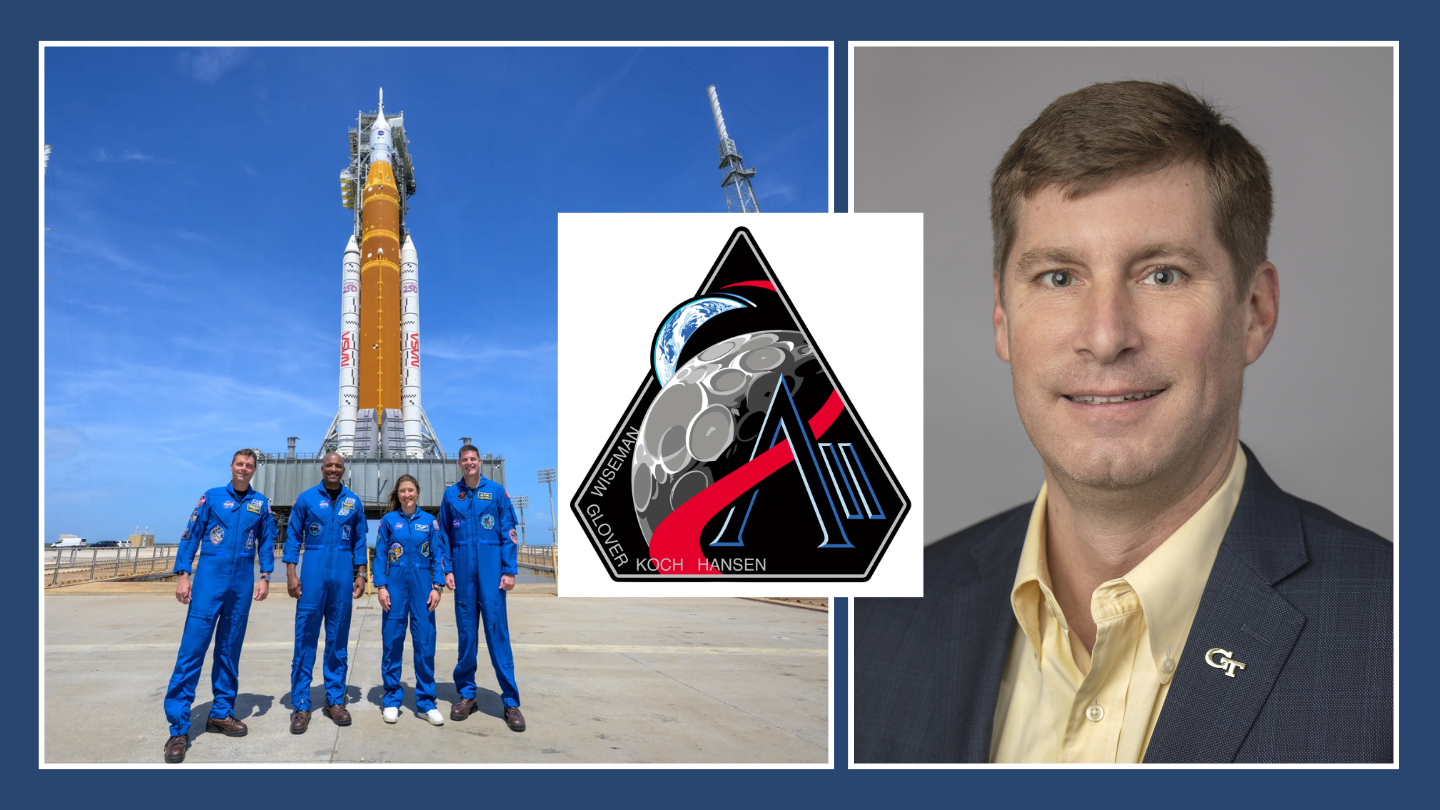
- The mission includes four astronauts: three Americans (Victor Glover, Reid Wiseman, Christina Koch) and one Canadian (Jeremy Hansen).
- The flight aims to develop technologies and teams for future missions to Mars.
Historic Lunar Mission Launch
Tonight at 6:24 p.m., NASA’s Artemis II mission is set to launch from Kennedy Space Center in Florida, making history as the first human journey beyond low-Earth orbit since 1972. The ten-day mission will take four astronauts on a return trip around the moon, a significant step in human space exploration.
The crew includes NASA astronauts Victor Glover, Reid Wiseman, Christina Koch, and Jeremy Hansen from the Canadian Space Agency. Glover, the mission’s pilot, emphasized the importance of Artemis II during a 2023 interview. He noted that this mission is not just about returning to the moon but also about paving the way for future explorations, particularly the technology and teamwork required for missions to Mars.
Jud Ready, executive director of the Space Research Institute and principal research engineer at Georgia Tech Research Institute, expressed enthusiasm for the mission. He highlighted that investments in space not only create high-paying jobs but also drive advancements in technology that influence daily life. Ready pointed out that much of modern technology, including television, navigation systems, and even ATM machines, is rooted in space research.
He remarked, “A lot of people don’t recognize that almost every single second of your day, you’re interacting with space,” citing GPS synchronization as a common example. On today’s “Closer Look with Rose Scott,” Ready elaborated on how Artemis II could accelerate humanity’s journey toward eventually walking on Mars, underscoring the mission’s long-term significance. As the launch approaches, excitement builds around the possibility of renewed human presence on the moon and beyond, marking a new chapter in space exploration history.
The content above is a summary. For more details, see the source article.