


Key Takeaways
- Soil testing at a property linked to Paul Flores, convicted in Kristin Smart’s murder, revealed evidence of human remains.
- Kristin Smart disappeared in 1996; her remains have never been found, and she was declared legally dead in 2002.
- Law enforcement is continuing the investigation, urging patience as further searches may uncover new evidence.
Investigation Update on Kristin Smart Case
Soil testing at a property connected to Paul Flores, found guilty of the 1996 murder of California college student Kristin Smart, has detected evidence suggesting human remains may have once been present. San Luis Obispo County Sheriff Ian Parkinson announced the findings during a recent press conference, noting, “We can’t call it Kristin, but there’s evidence to support human remains – there at one time.”
Smart disappeared from California Polytechnic State University nearly three decades ago after an off-campus party. Prosecutors alleged that she was killed during an attempted rape, with Flores identified as the last person seen with her. In 2021, both Paul and his father, Ruben Flores, were arrested, although Ruben was later acquitted of accessory charges.
Paul Flores received a 25-year-to-life sentence for his role in Smart’s death in October 2022 and was ordered to pay over $350,000 to Smart’s family for incurred costs. Despite the convictions, Kristin Smart’s remains have never been located, and she was declared legally dead in 2002.
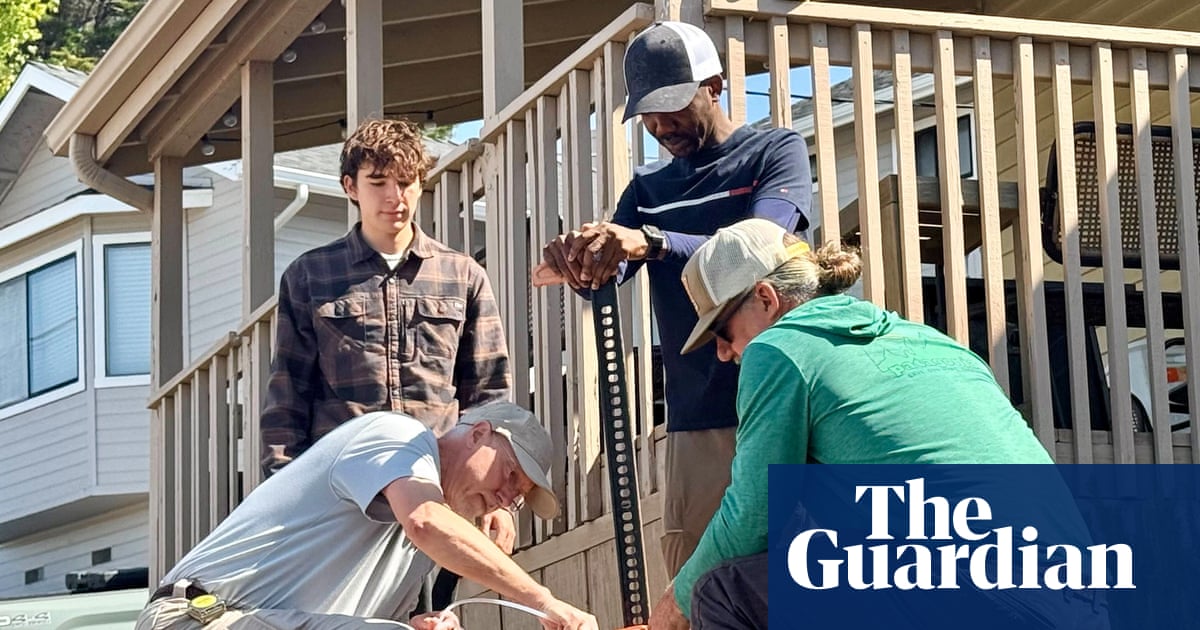
Most recently, law enforcement officers conducted a search at a home in Arroyo Grande owned by Susan Flores, Paul’s mother. This search was catalyzed by insights shared by the “Your Own Backyard” podcast, which has played a significant role in bringing new witnesses to light.
Sheriff Parkinson emphasized that the investigation remains ongoing, stating, “Until we have Kristin, everything is still wide open.” He urged the public to exercise patience, explaining that the search areas could hold undiscovered evidence even if previously examined.
The content above is a summary. For more details, see the source article.









