


Key Takeaways
- Aurora Flight Sciences has commenced final systems integration of the X-65 fuselage, a part of DARPA’s CRANE program, aiming for a first flight in 2027.
- The X-65 will utilize active flow control technology, replacing traditional aircraft control surfaces with jets of air for maneuvering.
- The program focuses on reducing aircraft weight and complexity while enhancing aerodynamic efficiency—potentially influencing future military and research aircraft designs.
Advancing Innovative Aircraft Technology
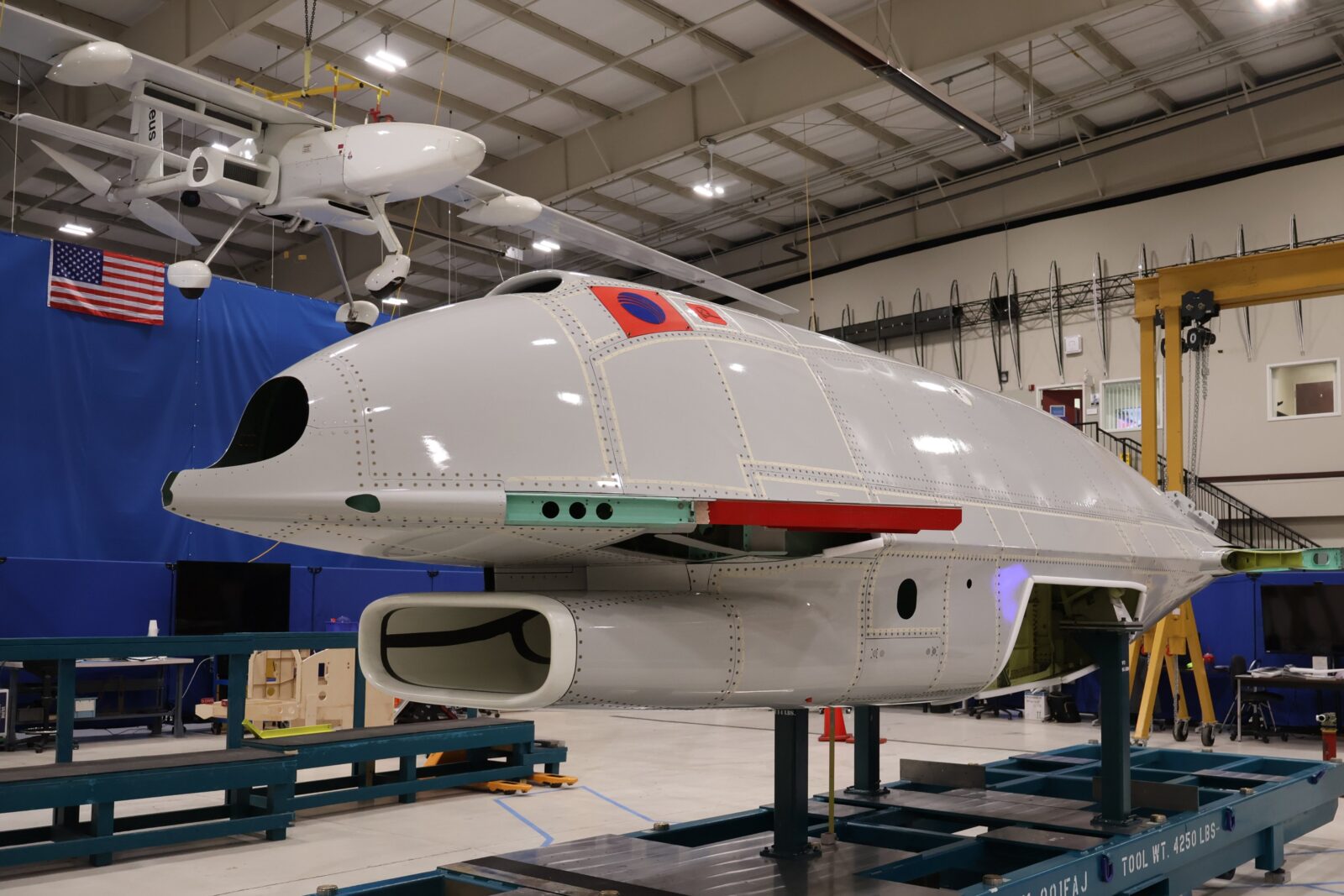
Aurora Flight Sciences has announced that the fuselage of its X-65 experimental aircraft has entered final systems integration, with plans set for a first flight in 2027. This development is part of the Defense Advanced Research Projects Agency (DARPA)-backed CRANE program, which focuses on implementing active flow control technology.
Instead of relying on traditional control surfaces, such as flaps and rudders, the X-65 will utilize directed jets of air for maneuvering. This innovative system seeks to change aircraft attitude by manipulating airflow over wings, potentially reducing mechanical complexity while enhancing aerodynamic efficiency. Aurora stated that if successful, this technology could significantly impact future designs in military aircraft, unmanned systems, and other research platforms.
The fuselage has transitioned to Aurora’s Virginia facility, where teams are integrating essential systems, including electrical, propulsion, and active flow control. Concurrently, production of the wings and tail continues at their West Virginia facility. This marks a critical phase for the aircraft as it progresses from structural assembly to system integration.
The DARPA CRANE program aims to validate the effectiveness of active flow control in flight, as demonstrated by the X-65’s innovative design. This aircraft is not intended for operational deployment but serves as a testbed for advancing aerodynamic research. With a wingspan of 30 feet and a gross weight of 7,000 pounds, it allows for dedicated testing of control systems and aerodynamics.
At the core of its technology, the X-65 features fourteen embedded effectors that deliver pressurized air across its surfaces, enabling pitch, roll, and yaw control without conventional moving parts. Its triangular wing design and modular capabilities further facilitate the examination of various wing configurations and active flow control systems.
Larry Wirsing, vice president of aircraft development at Aurora Flight Sciences, expressed enthusiasm about continuing the partnership with DARPA and the potential this technology holds for future aircraft designs and research missions. As integration progresses and major airframe work remains active, the program is on track for its ambitious 2027 first-flight goal, promising to provide valuable data on the capabilities of air-jet-based control systems in aviation.
The content above is a summary. For more details, see the source article.









